This Popular Museum In Illinois Is Home To A Dangerous And Deadly Collection
The Field Museum in Chicago houses a deadly plant collection that includes poisonous species like rosary peas, belladonna, wolfsbane, and castor beans.
Beware the deadly plant collection at one of Illinois' most popular museums. It is the duty of this historic attraction to preserve all aspects of history, and that means the history of all different sorts of life is recorded too.
Whether you're a seasoned botanist or just love learning about nature, you'll love this dangerous collection of deadly plants. Check it out:
There's a deadly plant collection in Illinois that, if it got into the wrong hands, could cause some serious damage.
Thank goodness they are safely stowed at The Field Museum in Chicago. This natural history museum has been around since 1893 and aims to preserve ancient cultures, fossils, and other artifacts from the world we live in.

It is best known for its dinosaur fossils, Egyptian exhibits, and depictions of ancient civilizations, and there is always a traveling feature to bring guests back for more learning opportunities.

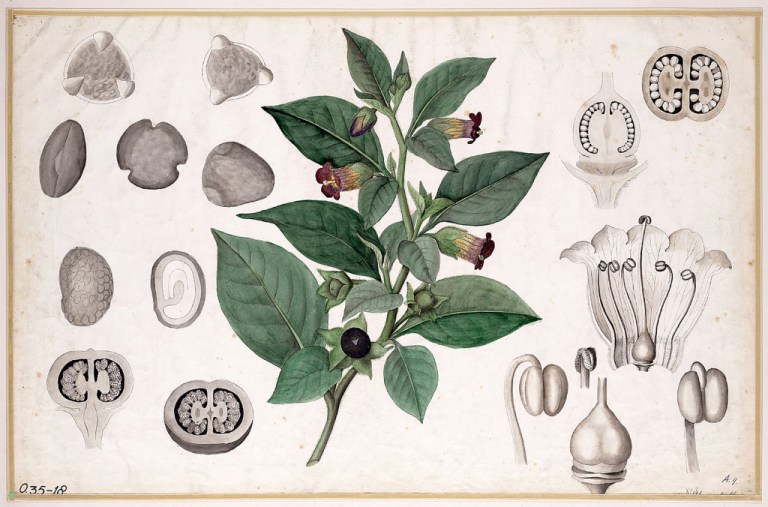
Little known about The Field Museum, though, is that it is home to a deadly plant collection that contains poisonous types like rosary peas, belladonna, wolfsbane, and castor beans.

This is what the rosary pea plant looks like.
Don't worry, though. These specimens are kept under lock and key in a secret area that is only accessible to staff and researchers.

This is a bloom of belladonna.
But you can find replicas throughout the museum. Like all life forms represented at the Field, replicas are made of wax and other materials in order to give the impression of what they once looked like.

Stop by The Field Museum any day of the week from 9 a.m. to 5 p.m. and be sure to check out the botanic areas to learn more about these poisonous plants.

Pictured above is deadly Wolf's bane.
For more amazing places to learn about history, check out these seven weird and wacky museums in Illinois.
What do you think of this deadly plant collection? Share your thoughts with us in the comments below!
Subscribe to our newsletter
Get the latest updates and news
Thank you for subscribing!