Here’s How To Stay Safe Around Wildlife In Yellowstone National Park
Yellowstone National Park offers incredible wildlife viewing opportunities, but visitors must follow safety guidelines to protect both themselves and the animals.
Yellowstone National Park is renowned as one of the best national parks to visit in America. It's got an abundance of wildlife, including wolves, moose, elk, bison, bears, and more. These creatures are truly magical to observe in their wild natural settings. However, encounters with them are not always pleasant. This is especially true if the wild animals feel threatened or nervous. Too often, visitors can approach wildlife out of curiosity. We all want great photographs from our trips, but too much intrusion can cause unpredictable reactions from the animals. Here are a few tips for staying safe around the wildlife at Yellowstone National Park.
Yellowstone National Park is undeniably one of the most iconic in the National Park System. It belongs on any list of national parks to visit in America, and many consider it to be the very best national park.
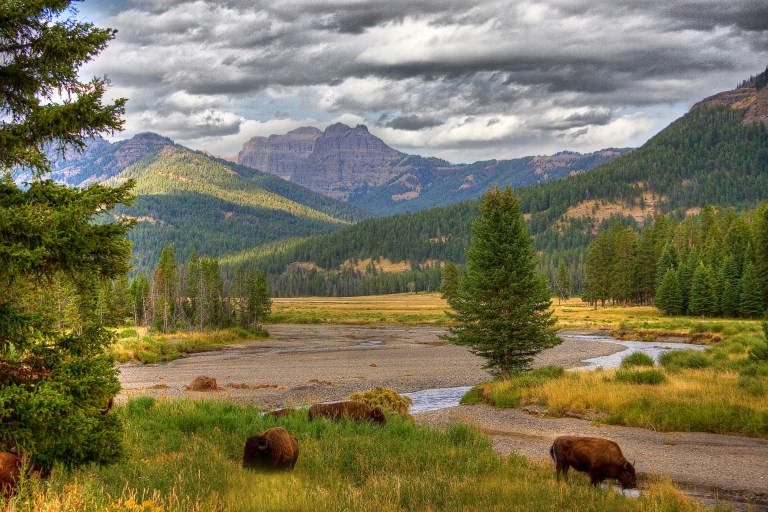
Receiving anywhere between 4 to 6 million tourists each year, the park is an incredible place to spot wildlife in its natural habitat.
Yellowstone is home to countless majestic creatures. You're likely to see bison, wolves, grizzly bear, elk, and even moose in some areas.

While interactions with wildlife are typically harmless, it's important to remember a few safety tips. Acting inappropriately around wild animals can put both you and the animals in danger.
The first and most important thing to remember when encountering animals in the wild is you want to give wildlife plenty of space.

Should you encounter bison or a moose, be sure to give the creatures at least 75 feet of space. Think of the length of two buses - that's considered to be a safe distance. Any closer and the animals could see you as a threat.
With grizzly bears, stay even further back. At least 100 yards is the ideal amount of space between you and a wild grizzly.

No matter how calm the animals may appear, they can behave aggressively at a moment's notice.
Finally, always stay on the designated footpaths and hiking trails.

Visitors should never approach or feed the animals of the park, as this can form dangerous habits.
For additional information about park safety concerning wildlife when visiting some of the best parks in the U.S., be sure to read this helpful guide from the National Park Service.
What's your favorite national park to visit in America? Here are some of the country's least-visited national parks that are well-worth checking out!
Subscribe to our newsletter
Get the latest updates and news
Thank you for subscribing!