Known Traveler: Cindy Villaseñor, Eco Explorer
Eco-advocate Cindy Villaseñor shares real-world tips on sustainable travel, from zero-waste packing to supporting local communities—because traveling green doesn’t mean being perfect.
What started with an elective environmental science course led to a life-changing mission for a sustainability enthusiast, Cindy Villaseñor. Known online as @cerowastecindy, Cindy is on a personal mission to help make sustainability actionable, especially regarding travel. Her candid and practical tips remind us that eco-minded adventures are less about perfection and more about making small, thoughtful choices. In our conversation, she shared insights into how travelers can better align their wanderlust with environmental responsibility, without losing the magic of exploring new places.
The system we’re in isn’t built for sustainability. We’re doing what we can, and we’re too hard on ourselves. It’s not about being perfect—it’s about being conscious.
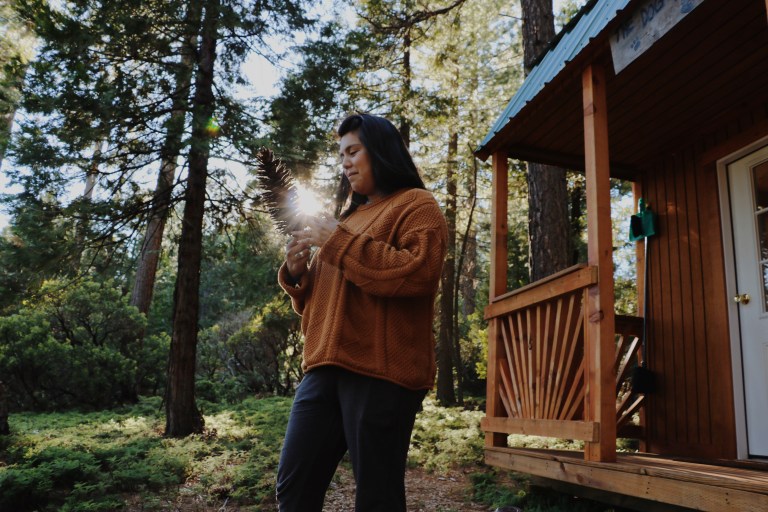
What I found most fascinating about chatting with Cindy was discovering how she stumbled into eco-mindedness and sustainability practices. She started with an environmental science course at community college, which led her to adopt a vegan lifestyle for environmental reasons. She then changed her major to geography with a minor in sustainability and volunteered at a composting site, further deepening her interest in sustainability. Cindy's passion for sustainability eventually led her to take an urban farming course and teach gardening to kids.
We’re in a climate crisis. Sustainable travel means being conscious of the impact we’re making—from how we get there to where we stay and what we support when we arrive.
When asked how she defines sustainable travel, Cindy doesn’t hesitate. “We’re in a climate crisis. Sustainable travel means being conscious of the impact we’re making—from how we get there to where we stay and what we support when we arrive.” To her, it's all about slow, intentional movement. She often opts for local weekend trips by car or camping excursions over long-haul flights. “We don’t have to go far to feel renewed,” she says.
Cindy encourages travelers to look for what she calls “green flags” in potential destinations. “I Google sustainable eco stays and look at how the lodging was built—what materials were used, if it’s water conscious, if it composts or recycles.” She gives a shoutout to an eco-stay network that raises structures on elevated platforms to avoid bulldozing local vegetation. “It shows respect for the land,” she notes.
For international travel, she digs deep. “I took a solo trip to Oaxaca and spent time researching hotels to make sure they were locally owned and had sustainable practices. I supported local guides and small businesses because where we spend our money matters.”

Supporting local communities is at the heart of Cindy’s travel ethos. “Eat at local food stalls, stay in eco-lodges, hire local guides, and buy handmade goods,” she recommends. Just as important is respecting the land and culture. “Stick to trails, don’t take plants or rocks, and be mindful of your waste.” One of her simplest but strongest suggestions? “Always bring your own water bottle.”
Cindy acknowledges the tension many travelers feel about the carbon footprint of travel. Her approach is to slow down. “We can travel less frequently but stay longer. Make those trips count.” When she does fly, she tries to balance it out by minimizing impact in other ways, like choosing accommodations with sustainable practices and opting for biking, walking, or public transportation once she arrives. “My favorite sustainable activity was biking in Seattle with my partner. We biked to a brewery—it was fun and didn’t feel like a sacrifice.” She also mentioned that by biking, she was able to explore the city more, enjoying the adventure of the detours and places she found along the way.
She adds a practical pro tip: “Always rent the e-bike, especially if there are hills or you want to go farther than you thought.”
Cindy’s eco-friendly packing philosophy is refreshingly down-to-earth. “Don’t buy anything new. Use what you have.” She travels with a capsule wardrobe, planning her outfits in advance, often reusing a small number of versatile pieces. Her skincare and hygiene routine is equally minimal. “Solid lotion bars, sunscreen sticks, shampoo bars, tooth tabs, and refillable bottles from Activist Skincare—they’re lighter, TSA-friendly, and create less waste.”

Reusable utensils, plates, and cups are another staple. “If I’m getting fruit from a street vendor in Mexico, I’ll hand them my own bowl." Her travel kit also includes a tote bag, handkerchief, and travel bidet—small but mighty tools in her low-waste arsenal.
When asked what advice she’d give to someone just beginning their sustainable travel journey, Cindy is quick to offer reassurance. “Start small,” she says. “There’s so much information out there, and it’s easy to feel like you’re not doing enough. But using a reusable water bottle is a great first step. Then build from there.”
She also reminds us of something often forgotten in the sustainability space: grace. “The system we’re in isn’t built for sustainability. We’re doing what we can, and we’re too hard on ourselves. It’s not about being perfect—it’s about being conscious.”
This article is part of our Known Traveler series where we highlight creators who share inspiring travel and lifestyle content. Check out the full edition for Eco Explorers.
Subscribe to our newsletter
Get the latest updates and news
Thank you for subscribing!