This Coastal South Carolina Road Trip Is a Paleontologist’s Dream

stops
4

distance

driving time

Did you know that one of the first fossils ever discovered in the United States was found in South Carolina? It was a fossilized tooth of the Columbian Mammoth, an elephant-like animal that lived more than 10,000 years ago. That’s why the Columbian Mammoth is the State Fossil of South Carolina! 

South Carolina is home to millions of fossils—if you know where to look. Coastal South Carolina is a great place to go fossil hunting, especially for megalodon teeth. These ancient sharks lived approximately 23 to 3.6 million years ago, and their fossils still wash up on South Carolina’s beaches today. 

Want to try your hand at fossil hunting in South Carolina? We’ve compiled a road trip that will take you to some of the best places to go fossil hunting in South Carolina, plus a few fossil hunting tips so you don’t leave empty-handed. 

The road trip begins at Myrtle Beach and then travels south to Folly Beach. The 107-mile road trip takes about 2.5 hours from tip to tail (shark pun, not sorry), but of course, you’ll want to slow it down so you can take your time scouring each beach. Here’s the Google Map for you to save for when you’re ready.

alt
1. Myrtle Beach
Beaches, Lakes & RiversMyrtle Beach, SC

The best place to find shark teeth on Myrtle Beach is from 50th Avenue North down to 10th Avenue South (near the SkyWheel). That gives you nearly three miles of beach to explore! This is a very popular beach in South Carolina, so I’d recommend getting an early start to beat your competition. Plus, you'll be treated to a spectacular sunrise while you hunt for shark teeth. Win-win!

alt
2. Murrells Inlet
Beaches, Lakes & RiversMurrells Inlet, SC

The calm waters and history of marine life make Murrells Inlet a popular spot for shark teeth. Murrells Inlet is actually a tidal creek that’s been shaped by thousands of years of ocean activity, and the tides have washed up tons of marine fossils, including shark teeth. The Jetty at Murrells Inlet is a hot spot for fossil hunting, though you may find luck heading over to Garden City Beach or even Huntington Beach State Park.

While you're in the area, swing by Driftwoods Seafood & Steak restaurant for some of the best seafood in South Carolina. You're going to need to fuel up to continue beachcombing! If you have the time, Brookgreen Gardens is worth a side quest. The 9,100-acre property boasts a botanical garden, a sculpture garden, a zoo, and more. It's a great family-friendly pit-stop.

The view underneath an old rustic wooden fishing pier at sunset. Pawleys Island, South Carolina.
3. Pawleys Island
Beaches, Lakes & RiversPawleys Island, SC

Pawleys Island is about 25 miles south of Myrtle Beach (70 miles north of Charleston), and it’s one of the oldest summer resorts on the East Coast. It’s a charming coastal town where the speed limit is 25, and folks appreciate the slower pace. Make sure you follow the beach rules before you visit. Pawleys Island tends to be divisive among beachcombers… some find several shark teeth, and some walk away empty-handed. May the ocean gods be in your favor!

View of Folly Beach and Morris Light from a helicopter
4. Folly Island
Beaches, Lakes & RiversFolly Beach, SC

Next stop: Folly Island! Starting from the east side of the pier between 5th and 2nd streets is the best area for fossil finding. Some folks even have luck over at Melton Peter Demetre Park! Charleston Outdoor Adventures offers a guided fossil hunting tour from Bowens Island and takes you to the north end of Morris Island to beachcomb for shark teeth and prehistoric fossils in a remote location. You’ll learn all about South Carolina’s fossil history, immediately identify any fossils you find, and you might even see dolphins on the boat ride over!

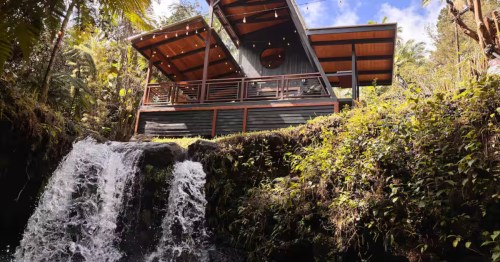
If you want to turn this road trip into a weekend getaway, this charming cottage on Folly Island offers some truly spectacular views from the rooftop deck.

Tips for Beach Fossil Hunting

alt

Timing is everything when it comes to fossil hunting along the beaches of South Carolina. Low tide is the best, particularly morning low tides. The perk of waking up early is that you’ll have fewer crowds to deal with, which is always nice. The good news is that the ocean throws up new treasures every 12 hours, so every day is a new opportunity.

Time of year also plays a factor. Fall and winter are the best times of year to go fossil hunting, but don’t rule spring and summer out completely—you can still find incredible fossils during these times of year. 

Going out after a storm is excellent, since the seafloor gets churned up and larger fossils tend to get washed ashore after storms. Keep in mind that large shark tooth fossils are rare. You’re more likely to find smaller teeth. Many of your finds will be about the size of your fingernail.

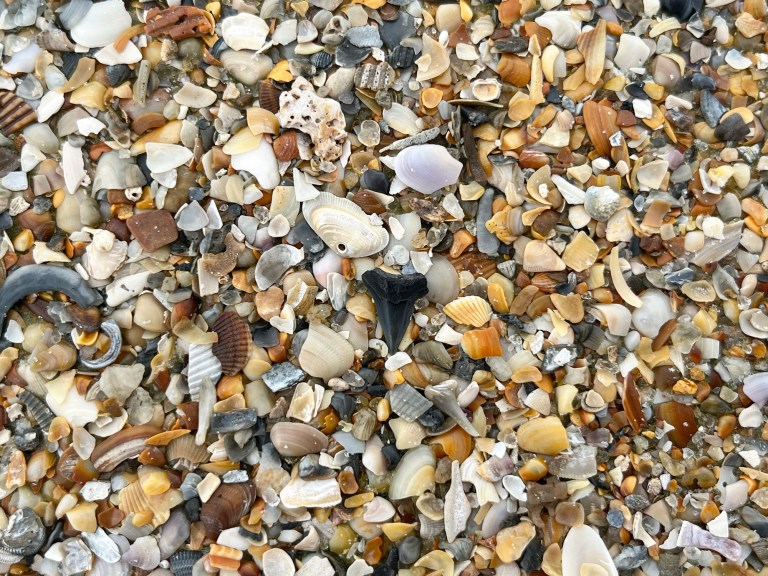
You don’t need any special equipment, though a sifter can make things easier. Just keep an eye out for any triangular-shaped objects that are jet black. Once you find something, check out this Coastal South Carolina fossil identification guide from The Fossil Guy. 

Everyone can go fossil hunting on South Carolina’s beaches as long as you stay on the water’s surface/beach. Hunting via snorkeling or SCUBA diving will require a hobby license. Good luck, friends!

Photo credits (from top to bottom): Kruck20/iStock Collection via Getty Images, Photo by Jay Robinson via AllTrails, Eli Wilson/iStock Collection via Getty Images, Daniela Duncan/Moment Collection via Getty Images, Cyndi Monaghan/Moment Collection via Getty Images

All Stories