Can’t Make It to Lascaux Caves? Try This Minnesota Alternative
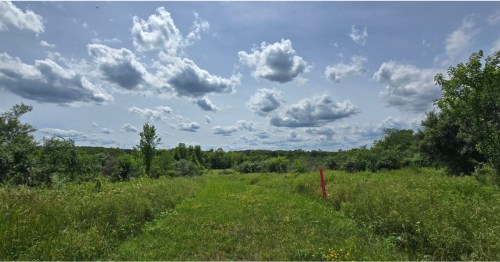
Here in Minnesota, we have our own version of cave paintings. Sites like the North Hegman Lake pictographs are smaller and less well-preserved than Lascaux Caves, but they're closer and unique to Minnesota.
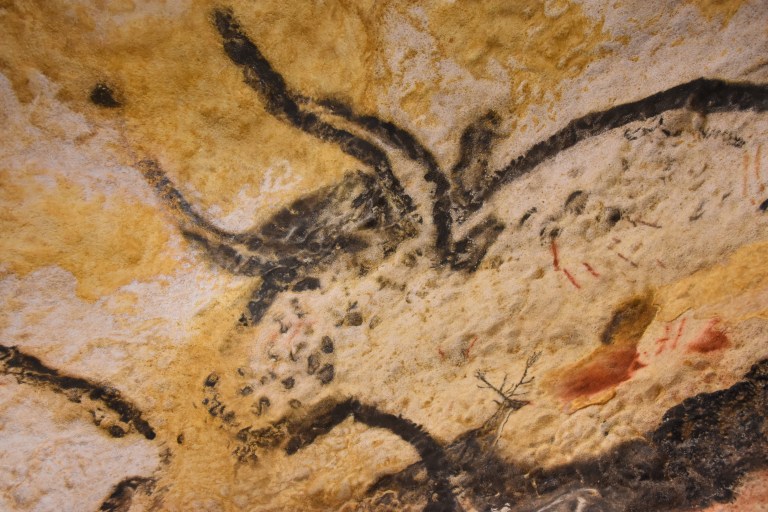
The modern rediscovery of the Lascaux Caves in France occurred in 1940, when a group of teenagers happened into a cave while searching for a lost dog, were amazed by the paintings they discovered on its walls, and reported their find when they emerged. The paintings belong to the Upper Paleolithic period, depict animals and even people of the time, and are estimated to be between 17,000 and 22,000 years old. The original caves are now a UNESCO World Heritage Site and are closed to prevent degradation of the art. Visitors can tour nearby replicas, however, to get a feel for the original. If you're from the Bold North, though, you need not travel all the way to France to get a glimpse of replica prehistoric paintings—you can get a version of the real deal right here in the Land of 10,000 Lakes.
Here in the North Star State, we have our own smaller-scale versions of Lascaux in the form of Native pictographs that can be found across northern Minnesota, particularly in the Boundary Waters Canoe Area Wilderness (BWCA) and its environs. Although Indigenous peoples have occupied the region for more than 9,000 years, the pictographs scattered throughout the Boundary Waters are attributed to the Ojibwe people. The U.S. Forest Service estimates that most of the remaining pictographs are 500 to 1,000 years old.

Because they were painted on bare rock faces exposed to the elements, the BWCA pictographs are not as well preserved as those at Lascaux. This weathering, in fact, has made it difficult for researchers to estimate the age of many such images. It's also possible—if not probable—that many, even older specimens have been worn away with time.

The best-known—and best-preserved—example of these pre-Columbian paintings can be found on a rock wall along North Hegman Lake, which is, itself, just north of Ely. These pictographs are also among the most accessible. During warmer months, you can reach them by canoe or kayak (no motors are allowed, as North Hegman lies within the BWCA). It's a relatively short trip, less than 5 miles, out and back, but you'll definitely need mosquito protection and a self-issued day-use permit to make the trip. In the winter, when the lakes are frozen, the journey to and from the pictographs is a pleasant, level trek on snowshoes or cross-country skis.

Other well-known pictograph sites in the Boundary Waters include Lac La Croix, which straddles the Canadian border, as well as Namakan Narrows and King Williams Narrows, which are outside the Boundary Waters and adjacent to Voyageurs National Park near Crane Lake. The latter are rare examples of pictographs that you can reach by motorboat.
I know our humble pictographs are neither as old nor as famous as those of Lascaux, but in many ways, I find them more interesting because they're here, in Minnesota. What's more, direct ancestors of the people who created these paintings still live in in the Northwoods and have helped guide us toward understanding who made them and what they mean—and that, if you ask me, is pretty cool. I love that such a direct connection exists between the present and the distant past. Have you visited these Minnesota pictographs? What are some other interesting places in the Land of 10,000 Lakes that could stand in for a famous European destination? We'd love to hear your ideas.
Subscribe to our newsletter
Get the latest updates and news
Thank you for subscribing!