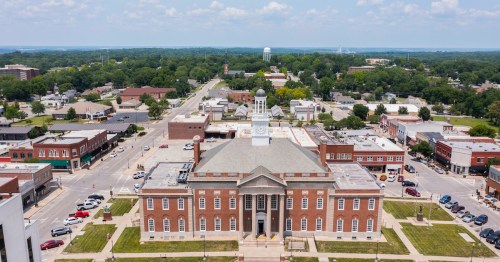
15 Things You Didn’t Know About The History Of West Virginia
Highlights notable historical facts about West Virginia, including significant events and unique attributes.
Ready for a West Virginia history lesson? The state has a lot of interesting history. Here's just a little bit of it. How much of this did you know?
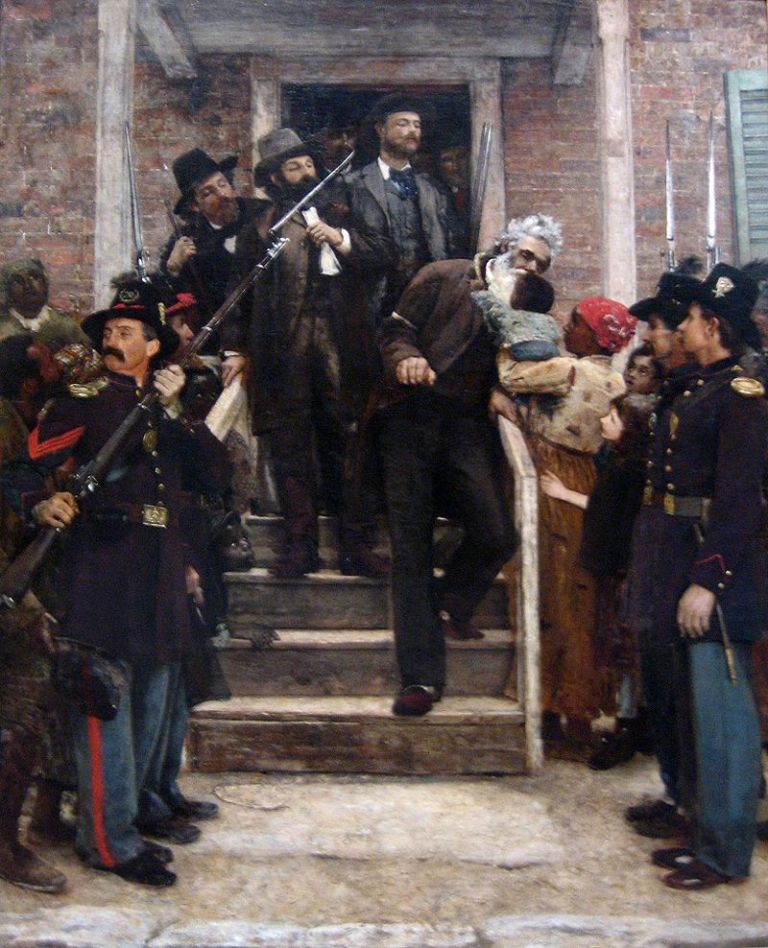
1. In 1859, John Brown, an abolitionist, led a raid on a national armory at Harpers Ferry because he was trying to arm a planned slave rebellion. He was ultimately tried at the Jefferson County Courthouse and hanged.
2. Romney, W.Va. was the home of the youngest soldier to enlist in World War I. Chester Merriman was 14 when he signed up.

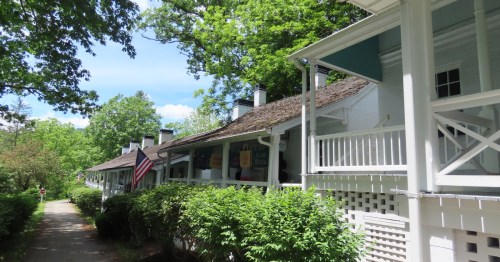
3. The country’s first public spa opened in 1756 in Berkeley Springs (then Bath, Virginia).

4. Ripley was the site of the state’s last public hanging in 1896. The event drew nationwide attention when a New York Sun reporter wrote that the atmosphere that day was like a festival.

5. West Virginia was known for its glass manufacturing. It was made here before then, but the state became an important manufacturing state at the end of the 19th century. The Fostoria Glass Company, which moved from Ohio to Moundsville, had more than 900 workers in the early 20th century and was the largest glass tableware factory in the country. In 1910, glass factories in West Virginia employed about 7,500 people and it was the fourth-largest employer in the state.

6. Charleston wasn’t always the capital. The first capital of the state was Wheeling from 1863 until 1870. Then it was moved to downtown Charleston. Then it was moved back to Wheeling. Then it moved back to Charleston, where it remains today.

7. West Virginia was the first state to have a sales tax, which went into effect on July 1, 1921.

8. George Washington’s brothers built estates here that are still standing. Charles Washington built Happy Retreat in 1780 and Samuel constructed the nearby Harewood estate. The latter was the location for James and Dolley Madison’s wedding in 1794.

9. Coal is not the only thing we’ve ever mined. Salt used to be a major industry in West Virginia, particularly in the Kanawha Valley. The industry reached its peak in the 1850s and started to decline.

10. The Mingo Oak, which was the largest and oldest White Oak Tree in the U.S., was declared dead and felled on Sept. 10, 1938. The tree stood in a cove at the base of Trace Mountain near the headwaters of the Trace Fork of Pigeon Creek.

11. West Virginia is the only state to be formed out of land belonging to another state and without that state’s permission.

12. West Virginian’s famed Greenbrier resort was once a hospital. During World War II the U.S. Army bought it and converted it to a hospital, where more than 24,000 soldiers were treated over the course of four years.

13. Minnie Buckingham Harper, of Welch, was the first black female legislator in the United States. The governor appointed her in 1928 after her husband’s death left a vacancy in the House of Delegates.

14. West Virginia was almost named Kanawha. That was one of the suggested names for the 39 counties that that later became the main body of the state. The suggestion was ultimately ditched for West Virginia, obviously. (Something to think about the next time you encounter someone who thinks West Virginia is just the western part of Virginia.)

15. The worst coal mining disaster in U.S. history happened in Monongah on December 6, 1907 and killed more than 360 people.

Did I leave out anything you would have added? Let me know in the comments!
Subscribe to our newsletter
Get the latest updates and news
Thank you for subscribing!