Few People Realize How Much Basque History Is Preserved in the Small Town of Elko, Nevada
Elko, Nevada preserves a strong Basque cultural identity through its food, community traditions, and historic ties.
Often, when we talk about the Old West, we focus on the indigenous peoples, cowboys, the Gold Rush, and those who came from the East in covered wagons. But there is another group of people that make up a significant part of this state’s—and other Western parts’—history, culture, and community. Basque history in Elko, Nevada, is well-preserved and honors an important part of the population. Read on to learn more about this fascinating history.
In the mid-1800s, with the onset of the Gold Rush, Basque settlers came to the West from the mountainous regions of France and Spain, then known as the Kingdom of Navarre. Many tried their hand at gold mining; however, sheepherding proved more profitable, and most turned to this livelihood instead.

The Basque people became a tremendously important part of the community, tending sheep and cattle, working the difficult land, and supplying the mining camps with meat. They brought their traditions with them and kept them alive even as they assimilated into a new homeland. Communities of these hard-working, resilient people have grown and continue to thrive in parts of Nevada and Utah, and are an integral part of life in Elko.
The Elko Eukaldunak Club is dedicated to preserving the rich Basque heritage. Eukaldunak means “Basque” in the Basque language. Every year on the Fourth of July weekend, the Euzkaldunak Club sponsors the National Basque Festival, bringing people together—Basques and others—from all over to celebrate the customs and traditions of these people. This annual event is an unforgettable way to immerse yourself in the Basque culture. In addition to traditional music and dances, the weekend celebration features weightlifting, wood chopping, and more, with plenty of food and vendors present to add to the festivities.

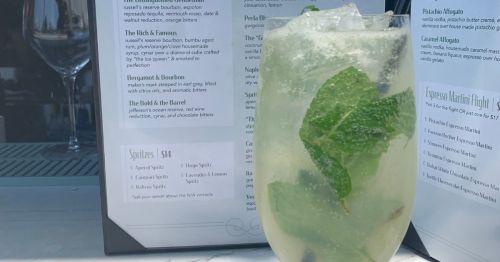
In Elko, you can get a genuine taste of Basque culture any time at one of the town’s Basque restaurants like The Star, a legendary restaurant in a historic building that once served as a place for Basque sheepherders to stay during winter. Enjoy authentic multi-course meals served in traditional family style. Communal dining, especially during winter, was a rare opportunity for sheepherders to connect and enjoy each other’s company. For the full experience, don’t miss out on ordering the famous Picon Punch!
Even the trees hold a piece of history. Sheepherders usually each had their own camp and moved around a lot. Arborglyphs, or tree carvings, like this one, were their way of communicating with the rest of the world and letting others know they were there. Some of these carvings in Aspen trees can be seen in the wilderness around Elko County.

Elko is a wonderful place to experience the culture and well-preserved history of the Basque community. Have you been to Elko on your way through Nevada? Have you ever attended a Basque festival? If not, be sure to share this article with your favorite travel companion and start planning your trip.
Subscribe to our newsletter
Get the latest updates and news
Thank you for subscribing!