Most People In Nebraska Don’t Know That Fort Robinson Was A German POW Camp In WWII
Most people know Nebraska's Fort Robinson as a former U.S. Army fort, a historic site, and the site of Sioux Chief Crazy Horse's death. Or maybe you're familiar with the state park's breathtaking landscapes, bountiful recreational activities, and historic lodging. There's one part of Fort Robinson's history, though, that many people aren't aware of: it served as Nebraska's largest German POW camp in World War II.
Fort Robinson was built in 1873 and has served many purposes over the years from Army fort to beef research plant to K9 training grounds.
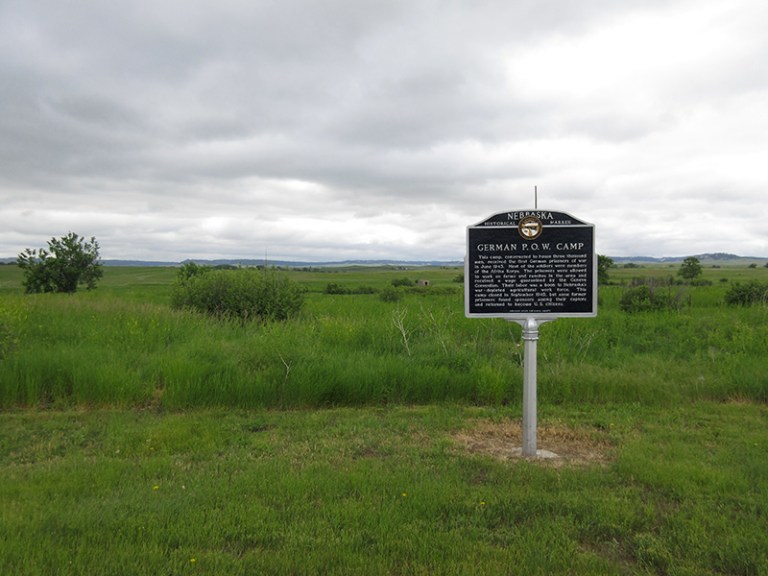
In late 1942, plans were developed to build a 1,000-man Nebraska prisoner of war camp at Fort Robinson. Prisoners began arriving almost exactly a year later in November 1943. The original 1,000-man capacity was increased to 3,000 with the addition of more facilities.

A total of 160 temporary buildings were erected to support the wartime operations. The prisoner population hovered around 600 from the camp's opening until the invasion of Normandy in June 1944, after which it reached full capacity.

While the majority of the prisoners were conscripts (military draftees), around 30% of the population were identified as Nazis or Nazi sympathizers. There were clashes among the groups as the Nazis often abused other prisoners.

The American captors attempted to "de-program" the Nazi prisoners under the top-secret Intellectual Diversion Program by providing "the facts of American history, the workings of democracy, and the contributions made to America by peoples of all national origins." Some non-Nazi prisoners, including Otto Eichentopf, pictured here, chose to become U.S. citizens after the war.
Prisoners helped with the maintenance and operation of the camp and earned a small income as mandated by the Geneva Convention. Many manned the military remount station at Fort Robinson, which was the largest in the world at the time. Prisoners would later recall that they were treated well at the POW camp.

Outside of their work duties, prisoners were able to attend classes and movies, play sports like soccer, and even put on theatrical performances in the camp's theater.

Germany surrendered in May of 1945, but it wasn't until May of 1946 that the last of the prisoners and American staff members were gone. The temporary buildings were dismantled and sold off, and the fort's mission turned toward other activities before the land became a state park in 1956. Today, Fort Robinson is regarded as one of the best preserved prisoner of war campsites.

Yet, despite being one of the best-preserved, few people know about Fort Robinson's history as a Nebraska POW camp.
This important military post is now an absolutely beautiful and history-rich state park near Crawford in Nebraska's panhandle. If you've never visited, this unique spot deserves a place at the top of your bucket list.
When it comes to Nebraska history, our state is simply full of unique places to visit. Learn more about Fort Robinson State Park, or check out one of our other favorite overlooked state parks in Nebraska.
Subscribe to our newsletter
Get the latest updates and news
Thank you for subscribing!