There’s A Deadly Plant Growing In Mississippi That Looks Like A Harmless Weed
Water hemlock is a highly toxic plant found in wet areas of Mississippi, dangerous to both humans and animals.
We all know to stay away from poison ivy, poison oak, and poison sumac, and that’s a lesson most of us end up learning the hard way. But one of the most poisonous plants in Mississippi is water hemlock, and you’ve probably seen it before and not known how toxic it can be. Since we often find ourselves outdoors in areas where it’s prevalent, I think it’s a good idea to give a brief description of this poisonous plant so you can be on the lookout for it.
This is water hemlock.
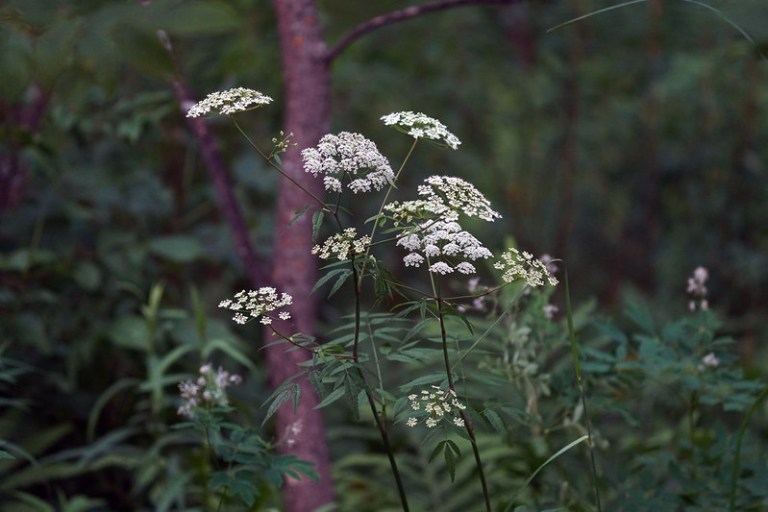
Water hemlock grows in wet soil, so you can expect to find this perennial around marshes, riverbanks, streams, ponds, and even ditches... so you could very well have some growing in your neighborhood.

It’s also called cicuta, cowbane, or poison parsnip.
Whatever you call it, just don’t touch it.
While those white flowers may be pretty, I’d steer clear of smelling them, touching them, or plucking them.

Touching the plant can cause severe skin inflammation and even a rash. If you (or your pet) ingest it, you’re looking at nausea and vomiting if you're lucky... Seizures, respiratory failure, and even death if you’re not.
Symptoms from touching this plant can happen as quickly as 20 minutes, but sometimes folks don’t notice until up to three hours later.

By that time, you may have completely forgotten about your encounter with water hemlock.
Water hemlock is toxic to both humans and animals, so you want to be able to identify this plant to make sure your fur baby doesn’t accidentally brush up against it or take a bite.

If you find that you do have water hemlock growing in your yard and you'd rather it not, be sure you’re wearing very thick gloves and take extra precautions when handling this plant.
While these plants are beautiful, they're best observed from a distance.

Stay safe out there, y’all! Especially if you’re exploring some of our many waterfront hiking trails.
Subscribe to our newsletter
Get the latest updates and news
Thank you for subscribing!