14 Staggering Photos Of An Abandoned Historic Mansion Hiding In North Carolina
Buckland Plantation in North Carolina, once a grand estate, now lies in ruins but remains a significant historical site.
Historical places abound in the Tar Heel State. One of our favorite ways to check out some NC history is to go searching for "abandoned places near me." There's something so amazing about viewing the ruins of somewhere historic and imagining what magnificence once stood there. One of the most impressive abandoned plantations in North Carolina lies near the Virginia border and is now in ruins. There were once more than 328 plantations in the state, as identified from historical records. The amazing Buckland Plantation is listed on the National Register of Historic Places, and it's one of the most eerily beautiful places in abandoned North Carolina. It has the potential to evoke a litany of emotions, especially given the state that it is in today. Take a look:
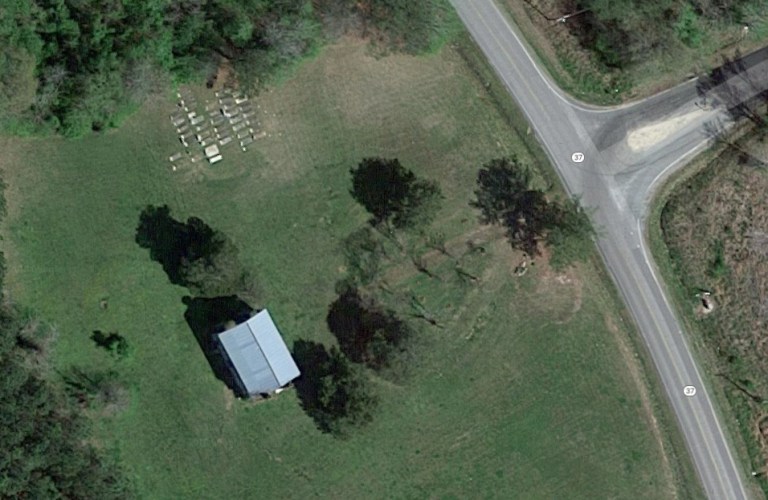
The old homestead for the once-thriving Buckland Plantation is located on NC-37 at SR 1220. This satellite image shows the grounds are fairly well cared for, and even include an old cemetery. But the house, well that's a different story, entirely.
The main house at Buckland Plantation was built in 1795. It was a grand house for the day, built in federal style with a central staircase that had rooms to either side.

Here's how the house appeared in a photo believed to have been taken in 1984. The front facade has a two-story porch, siding has been added and the roof appears to be metal.

It was around this time that an owner of the property applied to the U.S. Department of the Interior's National Park Service to have the property placed on the National Register of Historic Places. It was placed on the list in 1986.
In 2014, the following images of Buckland Plantation were captured, showing a sharp decline in the once grand homestead. Immediately noticeable is the missing set of porches, including the entire base of the first-floor porch.

As you can also see, the windows and doors (at least on the front of the home) have been removed and there are now boards. Some of the siding on the home is also missing, exposing what could be the original siding. The decorative trim under the brim of the roof's edge remains. Let's step inside...
The inside is in complete disrepair. Even the fireplace surrounds and mantles appear to be missing.

It's unclear whether anyone has lived in the home since approximately 1950. But records do indicate that it was purchased in 1914, and sold for a mere $4,000 along with 122 aces to a former slave of the Bakers who built Buckland.
The application to the National Register of Historic Places indicates the new owners fell into hard times around the time of WWI and had to sell off much of the gorgeous interior wood. Perhaps this is when the mantles were removed.

These images, uploaded to the internet in 2014, invoke a feeling of sadness that this historic home has not been preserved in a manner in which someone could live here once again.

Although windows on the front of the home are boarded up, on the rear they seem to be wide open allowing the elements to take over and speed up the decay of these historical ruins.

The floors seem to be in fantastic shape, a testament to building materials in the day. A staircase leads to a second floor where an unusual reminder of the past is found on the walls of one of the upstairs rooms.

It appears as if signatures and notes have been written here over the years, a sort of guest book that even includes dates.


But the rooms in this top-floor abode are haunting. In one room, those windows that were removed at some point lay in a pile, possibly removed in an attempt to preserve their frames.

Another has an original door, already open and lying on the floor welcoming guests into what was likely an upstairs bedroom.

According to records, the family that purchased the property in the early 1900s had fourteen children. You can almost hear them playing as you stare into this now-empty space.
Buckland Plantation was once a stronghold in Gates County. The original owner was William Baker, both a political figure and a wealthy plantation owner. Now, the property sits empty and decaying but remains in the family that purchased the home along with 122 acres in 1910.

Have you passed by this old relic and wondered what the inside looked like?
Check out this video from YouTuber user Pharaohstreasure:
https://www.youtube.com/embed/L5LHLL3QqJY
This historical plantation in Gates County is a testament to the past – and the present. It’s commendable that the current owners sought to have this historic home placed on the National Register of Historic Places in 1986. Some online commentary indicated there were plans in place to repair, if not restore this home.
Of the 328 plantations in North Carolina, there are not many structures remaining. It would be quite the endeavor to restore this once-grand home to its former glory, however, the historical significance of this place is certainly evident.
Do you know of other historic properties now in a state of ruin? We’d love to know in the comments. If you enjoy historical architecture, you'll enjoy reading about this list of historic homes in North Carolina that have stood the test of time.
One of the most famous estate homes in North Carolina is the beautiful Biltmore Estate in Asheville, and you can book a stay there at Booking.com!
Subscribe to our newsletter
Get the latest updates and news
Thank you for subscribing!