Keep Your Eyes Peeled, Thousands of Hummingbirds Are Headed Right for New Jersey During Their Migration This Spring
Spring in New Jersey brings the arrival of migrating hummingbirds, which can be attracted to backyards with feeders and pollinator-friendly gardens.
We've got some good news! When springtime rolls around in New Jersey, that means many things, including the arrival of migrating hummingbirds. That's right. It's time to break out your best hummingbird feeders and get ready. One way to have fun at home is by backyard birdwatching, and these birds will repay you with their pollinating skills, too.
Spring in the Garden State brings woodpeckers, warblers, orioles, doves, cuckoos, swifts, plovers, flycatchers, shrikes, jays, and dozens of other birds. Perhaps no birds are more fun to watch, though, than the beautiful and delicate ruby-throated hummingbirds. So, when do hummingbirds come back to New Jersey? Let's discuss.
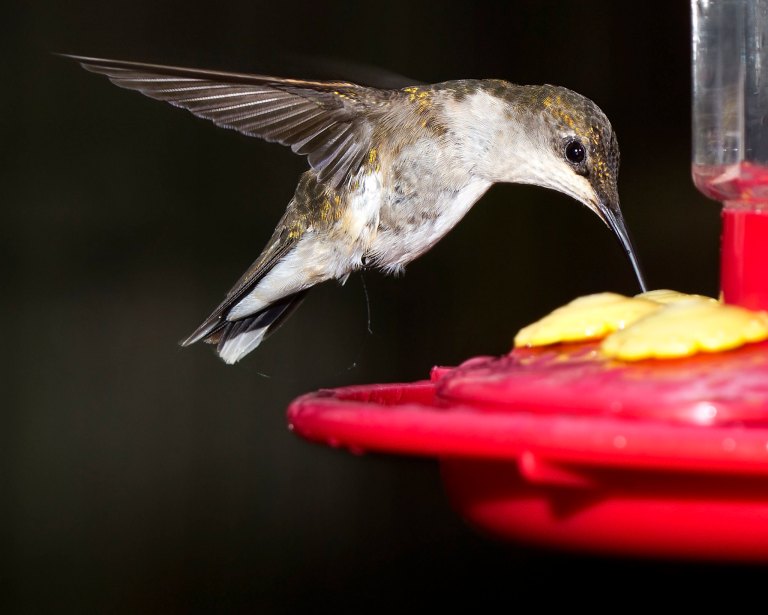
There are more than 300 hummingbird species in the world, and they range from elusive and rare to common and easy to spot. The different species have a wide variety of color patterns and plumages. It's a veritable rainbow of color when you look at all the various kinds of hummingbirds together.
However, the only species that breeds in New Jersey is the ruby-throated hummingbird. Their scientific name is "Archilochus Colubris," and males are easily recognizable by the ruby red feathers on their throats. These little guys are among the most common hummingbirds and are pretty easy to recognize. You'll spot other hummingbirds in New Jersey, but they just stop by on their way to other destinations.
Females have green backs and a mix of black and white tail feathers. Both sexes are around 3-3.5 inches long when fully grown. Ruby-throated hummingbirds are one of the tiniest birds in the world. Between their small size and their quick movement, they're often hard to spot. You'll have to plan carefully to make sure you get a peek this season.

Before the migration, hummingbirds will gain 25 percent to 40 percent of their body weight to provide energy for the journey. During the migration, a hummingbird's heart beats up to 1,260 times a minute and its wings flap 15 to 80 times a second. It's a serious workout. The long journey from South America to North America doesn't seem so bad when you notice how fast these birds whip around.
Around mid-April, thousands of hummingbirds flock to the Garden State. They stay until September or early October, so you've got plenty of time to set up a feeder and draw them to your yard. Increasingly, the migratory patterns of hummingbirds are changing. Because of the overall warmer weather, they're coming to North America much earlier than is typical. Some are even spending the winter here rather than migrating south.
The males tend to be the first to arrive, and they're also the first to leave.

Now that we've answered the question, "When will hummingbirds come back to New Jersey?" it's time to prepare. You can plant a pollinator-friendly garden with native plants to help draw them in or put up a feeder to encourage these feathered guests.
Hummingbirds have a varied diet that includes such bugs as gnats, flies, and spiders. They'll sometimes eat the sap from trees, but nectar from hummingbird-friendly flowers is where they get a large chunk of their nourishment. Their favorite flowers and plants include columbines, lupines, and petunias.
If you'd like to attract hummingbirds to your yard, you can make them special nectar to fill your feeders. Fortunately, the nectar is easy and inexpensive to make. All you need is sugar (one part) and water (four parts). Pour one cup of sugar, for example, into four cups of water, wait for the sugar to dissolve, and put it in the feeder. You may have heard that red dye in the water attracts hummingbirds. While that may be true, do not add dye to the water as it is harmful and could prove deadly to birds.
Maintaining the feeder is essential to ensuring the health of the ruby-throated hummingbirds. I usually put several feeders out in my backyard, under my trees, to provide the tiny birds with shade. While I try to change the water daily, I clean the feeder every few days to prevent mold. Keep an eye on your feeder. A sure sign that it's time for a change is cloudy water.
While the ruby-throated hummingbirds tend to leave by mid-September, keep your feeder out until the end of the month just in case a few stragglers stop by on their way south.
For more information about these amazing birds at this time of year, check out Hummingbird Central.
Have you noticed all the hummingbirds in New Jersey during previous spring seasons? Where do you go to view the ruby-throated hummingbirds? If you have a favorite hiking trail, park, or garden in New Jersey to go birdwatching, nominate it. We might feature the nominee in an upcoming article.
Need a place to stay while you're witnessing the migration? Check out the possibilities from our friends at Hilton Hotels. For more springtime fun in the Garden State, check out the best places to visit in New Jersey this spring.
Subscribe to our newsletter
Get the latest updates and news
Thank you for subscribing!