Don’t Try This Wyoming Hike if You’re Afraid of Heights
High above Death Canyon in Grand Teton National Park, Static Peak Divide forces hikers onto exposed alpine terrain where steep drop-offs, narrow footing, and endless views make fear of heights impossible to ignore.
Wyoming’s mountain landscapes have a way of making even seasoned hikers feel small, but the Static Peak Divide in Grand Teton National Park is unlike any other hike that travelers may encounter. Beautiful and demanding, here you'll find jagged peaks that rise suddenly from the valley floor and trails that lead you right into sun exposure. The Static Peak Divide looks reasonable on a map, but feels entirely different for those who are genuinely unsettled by a fear of heights.
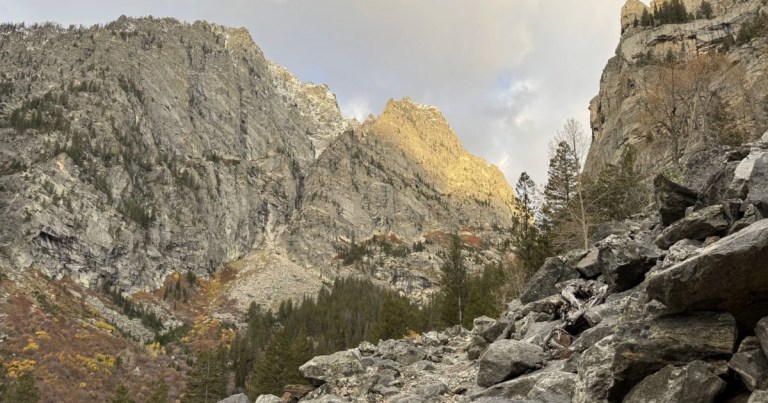
A Long Climb Into the High Alpine
To reach Static Peak Divide, most hikes traverse through the Death Canyon Trail, a path that wastes zero time in elevation gain. At the start, the trail is deceptively manageable as it winds through meadows and forests as the Tetons tower overhead. Soon, the trees begin to thin, the walls of the canyon pull back, and the exposure to nature's elements is sudden and quick.
By the time travelers break above the tree line, the world opens completely. The winds are stronger, the air feels thin, and the trail becomes more fragile. Hikers are no longer walking through the mountains; they are walking on them.

Where the Divide Earns Its Reputation
Upon reaching the Static Peak Divide is where the hike earns its warning label. Seated high above Death Canyon, visitors will be balancing on a knife-edge in between massive drainages that fall sharply away on both sides. There is no imminent danger, but there is the constant awareness of how steep and unforgiving the surrounding terrain is.
For hikers afraid of heights, this can be mentally exhausting. Looking down isn’t optional; the views demand it. The trail narrows in places, and even when footing is solid, the sensation of exposure never really goes away. Turning around doesn’t necessarily feel safer because the drop-offs are just as dramatic in reverse.

Pushing On Toward Static Peak
Some hikers stop at the divide, but others continue toward the summit of Static Peak. This is where the hike shifts from strenuous to serious. The route becomes less defined, the rock loosens, and the slope becomes steeper. There are moments where you have to choose your steps carefully, fully aware of what lies below you.
There’s no protection, no marked trail, and no margin for panic. Those afraid of heights can be reminded that confidence and a calm demeanor matter just as much as physical strength.
When Weather Raises the Stakes
Static Peak Divide is completely exposed to the elements, and the weather can quickly turn. Afternoon thunderstorms are common in summer, and once you’re high on the divide, there’s nowhere to hide. Wind can whip across the ridge, making already exposed terrain feel unstable and unnerving.
Even hikers comfortable with heights often underestimate how intimidating this trail becomes when clouds roll in or visibility drops. Knowing when to turn around is critical here.

A Beautiful Hike That Is Worth the Courage
There’s no question that Static Peak Divide offers some of the most breathtaking views in the Tetons. On a clear day, the sweeping panoramas stretch for miles, making the effort feel worthwhile. But beauty doesn’t cancel out exposure.
If you’re afraid of heights, this hike doesn’t gently challenge that fear; it confronts it head-on. Static Peak Divide is a reminder that some trails demand more than strong legs. They require steady nerves, respect for the terrain, and the willingness to walk away if your comfort level disappears.
Travelers seeking something more to explore in Wyoming, be sure to use the Only In Your State AI-powered itinerary planner to receive customized local restaurant, activity, and event suggestions. For the right hiker, it’s unforgettable.
Subscribe to our newsletter
Get the latest updates and news
Thank you for subscribing!