Ranger's Handbook is part of Only In Your State's coverage of the National Park Service. Always travel respectfully and practice Leave No Trace when visiting public lands.
Everything You Need To Know To Explore America’s National Recreation Areas
Many National Recreation Areas can be found just outside major cities, making them some of the most accessible public lands in the NPS system!
The National Park Service is well-known for managing and maintaining our country’s iconic gems like Yellowstone, Grand Canyon, or the 61 other US National Parks. But in total, the NPS manages over 400 units, including 18 National Recreation Areas (NRAs) that offer a different kind of adventure.
Many National Recreation Areas can be found just outside major cities, making them some of the most accessible public lands in the NPS system. Whether you’re chasing thrills on whitewater rapids or enjoying a quiet picnic by the shore, NRAs invite you to slow down and experience the outdoors in a whole new way.
What Makes a National Recreation Area Special?
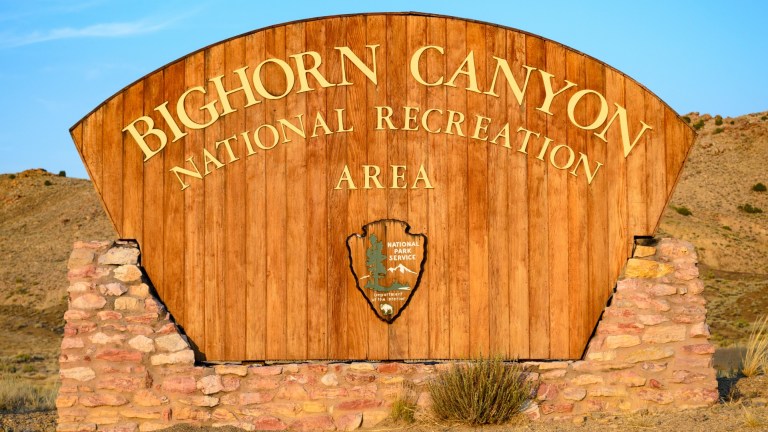
For many, National Recreation Areas are the first introduction to the National Park Service, sparking a lifelong love for the outdoors. Unlike traditional National Parks, which are preserved primarily for natural or historical significance, NRAs are designed with recreation at the heart of their mission. National Recreation Areas are usually centered around rivers, lakes, coastlines, or mountains and are prime for - you guessed it - recreating. Activities like boating, fishing, hiking, camping and climbing are at the forefront while also preserving cultural and historic sites.
Some NRAs are focused on large reservoirs created by dams, like Lake Mead, which also happens to be the very first National Recreation Area, while others are found in coastal areas, river valleys, or even urban neighborhoods. Together, they represent a diverse cross-section of how Americans enjoy the outdoors. NRAs aren’t only about recreation; they also preserve important pieces of cultural history. Visitors can explore Indigenous heritage sites, historic battlefields, or dive deep into stories of early settlement, learning how people have long been connected to these landscapes.
What makes NRAs especially unique is their balance between use and protection. They’re designed to encourage active enjoyment of the outdoors while still safeguarding the natural and cultural resources that make them special. While each National Recreation Area is unique, here are a few notable sites:
Lake Mead National Recreation Area - Nevada & Arizona

America’s very first National Recreation Area, Lake Mead was established in 1964 around the vast reservoir formed by the completion of Hoover Dam. Visitors come here for boating, fishing, swimming, and hiking among desert landscapes that combine blue water with the stunning red rock canyons. Lake Mead also holds the title of the largest National Recreation area at 1.5 million acres.
Golden Gate National Recreation Area - California

In 2024, the Golden Gate NRA was the MOST visited of ALL the NPS sites with over 17 million visitors! Sitting just across the bay from San Francisco, this urban gem protects over 80,000 acres of coastline, forests, and historic landmarks, including Alcatraz Island.
Glen Canyon National Recreation Area - Utah & Arizona

Glen Canyon covers more than 1.25 million acres and is home to both Lake Powell and the picturesque Horseshoe Bend. It’s a water-lover’s paradise where people come to kayak and boat. You can also book a guided boat tour through the park’s website. Land lovers can enjoy hiking through canyons, camping or visiting the aforementioned and most recognizable place in the NRA, Horseshoe Bend.
Gateway National Recreation Area - New York & New Jersey

Gateway touts itself as a “large, diverse urban park” covering 27-thousand acres. Situated at the entrance to New York Harbor, Gateway provides access to beaches, wetlands and even historic forts, proving that even in one of the busiest metro areas in the world, nature is never too far away. Bird lovers listen up! Gateway is also home to The Jamaica Bay Wildlife Refuge, which is one of the largest bird habitats in the Northeastern U.S. It includes over 12-thousand acres of water, saltmarshes and ponds, making it an ideal place for birdwatching.
Chattahoochee River National Recreation Area - Georgia

Flowing right through the northern suburbs of Atlanta, this 48-mile stretch of river offers kayaking, tubing, and hiking trails, making it a great urban escape for residents and visitors. Plus, if you’re an angler, fishing is allowed here with a valid Georgia fishing license. This NRA also has several miles of trails for cyclists.
Visiting a National Recreation Area

Visiting a National Recreation Area is a little different than heading to a National Park. Since many cover large regions with multiple access points, it’s smart to plan ahead so you know the best place to start your adventure. While recreation is front and center, remember these landscapes also protect sensitive ecosystems and cultural resources, so practicing Leave No Trace is essential. One of the unique aspects of NRAs is how they blend outdoor adventure with history. So you might spend the morning kayaking a lake and the afternoon exploring a historic site or attending a cultural program.
You can learn more about National Recreation Areas and other great National Park Service sites here on Only in Your State or at nps.gov. And as you're planning your National Recreation Area adventure, be sure to use Only In Your State’s itinerary planner.
Subscribe to our newsletter
Get the latest updates and news
Thank you for subscribing!