Thousands Of People Visit These National Parks, But Never Realize Just How Deadly They Are
National Parks offer breathtaking beauty but also pose significant safety risks.
Since the National Parks System was established in 1916, countless visitors have benefited from the breathtaking natural beauty of our country. In the grand scheme, this system is a safe and wondrous one. From the deep gorges of the Grand Canyon to the soft rolling hills of the Shenandoah, there's no limit to the wonders that will be carefully preserved for years to come. With great beauty comes great responsibility, though, especially when it comes to safety. There have been many tragic and devastating instances where the natural landscapes were especially unforgiving. Here are some dangerous National Parks that have seen some truly grim accidents:
1. Yellowstone National Park
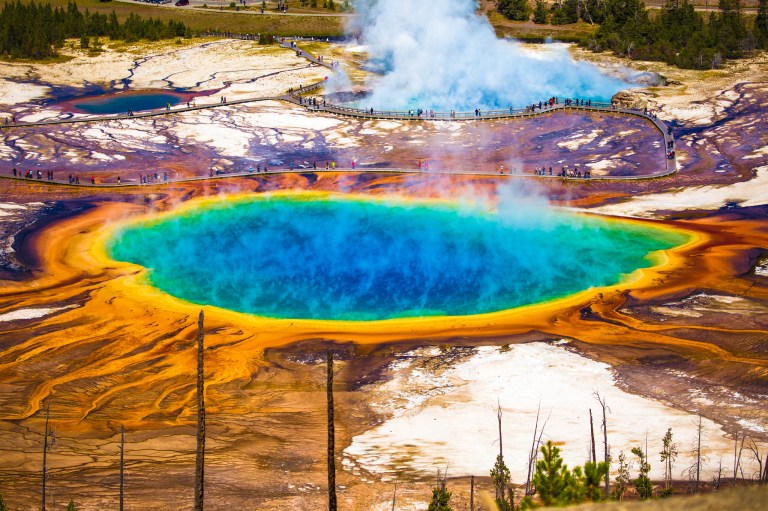
When considering the sheer number of visitors Yellowstone sees annually (upwards of 3 million), fortunately relatively few are killed here. That being said, there are nearly 700 serious medical calls made each year. Visitors are attracted to the natural hot springs and geysers, and terrible accidents can occur when the paths are ignored. This past year, a young man lost his life after he meandered from the trail and slipped into a boiling spring. In addition to thermal injuries, there is also the rare but dangerous threat of wild animals such as bison. Read more about this truly amazing park in this article.
2. Grand Canyon National Park

At a staggering 1.2 million acres, the name of this national wonder is no coincidence. The Grand Canyon is one of the most visited parks in the nation, and unfortunately one of the most accident-prone. Nearly 350 search and rescues were made in the park in 2012 alone. That year also saw 21 deaths. This summer there were two separate cases of visitors falling over the edge while attempting to capture scenery on camera. Other common causes of death include over-exhaustion and getting lost on the narrow trails below. Learn more about the dangers of this National Park in this article.
3. Yosemite National Park

Located in the iconic Sierra Nevada mountains of California, Yosemite is known and loved for its towering sequoias. Other points of interest include Bridal Veil Falls and the Half Dome cliffs. These waterfalls and cliffs can be incredibly dangerous, and many lives have been lost there. The park sees an average of 250 search and rescues per year. Lack of experience or other distraction can cause for climbing and falling accidents. There have also been instances where falling tree branches have caused serious injury and even death. Read about one of Yosemite's most amazing waterfalls in this article.
4. Zion National Park

Southeastern Utah's most visited national park is as striking as it is severe. The incredible rock formation has been carved out by water for millions of years, the same phenomenon which can claim lives if hikers don't heed caution. One of the most famous stretches in the park is known as the Narrows. This rocky trail is covered in water and provides incredible glimpses of the canyons above. However, when a storm strikes this can be a deadly place to be. Flash floods wipe through the canyons and can be fatal to hikers. In 2015, a group of seven experienced hikers lost their lives due to this reason. Read more about the dangers of Zion NP in this article.
5. Mt. Rainier National Park

Mt. Rainier National Park is located southeast of Seattle and is named for the 14,410-foot-high peak. This glacier-topped mountain makes for an epic and dangerous climb. The glacier-topped grounds are prone to harsh wind and cold from the Pacific. Even in the midst of summer, climbers are not safe from threats such as hypothermia, when unexpected storms can bring 70 MPH winds and 5-foot snow drifts. Learn more about this dangerous (but amazing) park in this article.
While these parks may be especially dangerous, they should by no means be missed. The National Parks Service prioritizes the safety of visitors and is a wonderful resource for anyone planning a visit.

Subscribe to our newsletter
Get the latest updates and news
Thank you for subscribing!