The Northern Lights Might Be Visible From Pennsylvania This Year
A clear evening provides an ideal opportunity to sit outside and gaze up at the starry sky. We can sit back, outline the constellations, and maybe if we’re really lucky, catch a star shooting across the nighttime sky. Due to an increasingly busy solar cycle this year, we may even be fortunate enough to view the Northern Lights in 2024 in Pennsylvania. But before you head outdoors, make sure you know what to expect and how to track this rare (for us) nighttime show.
While we typically only see the Northern Lights in Pennsylvania from our TV or phone screens, we may have the unique opportunity to view this natural phenomenon, also known as aurora borealis, from Pennsylvania in 2024.
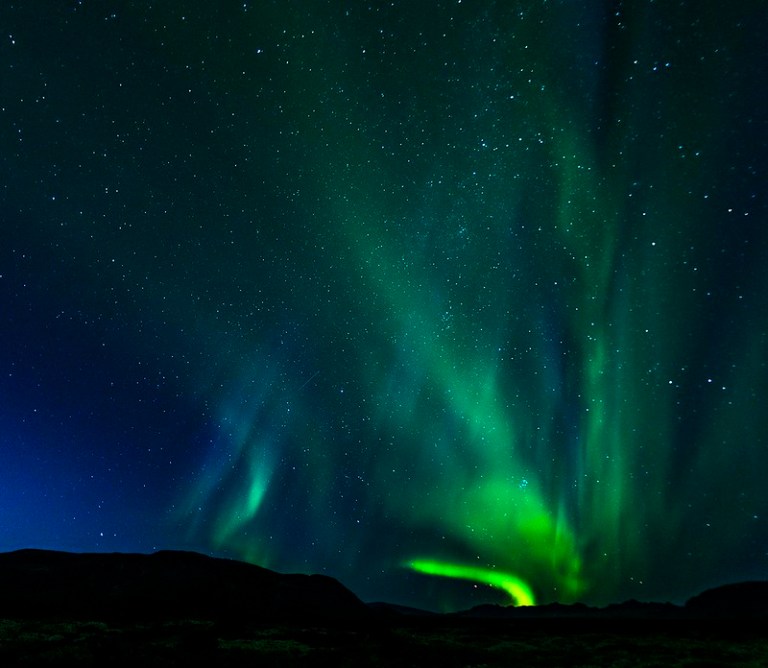
The Northern Lights are expected to be visible from states in and above the 40th parallel, including Pennsylvania, Missouri, and New England. Aurora borealis is usually seen in such areas as Alaska, Canada, Iceland, and Sweden.

Most of us have undoubtedly heard of the Northern Lights, but we may not be aware of what causes them. The National Park Service defines the Northern Lights as occurring when “a coronal mass ejection (CME), a massive burst of solar wind and magnetic fields, interacts with elements in the earth's atmosphere.”

During solar maximum, the sun typically produces three CMEs a day compared to the typical one CME in a five-day span during solar minimum. Solar winds journey from the sun to the earth, often at speeds of one million miles an hour. When they arrive between 20 and 200 miles above the earth’s surface, electrons will strike either oxygen or nitrogen atoms.

A solar cycle generally lasts 11 years. Solar maximum is the busiest time of the solar cycle.
At what height they collide, and whether the electrons strike oxygen or nitrogen atoms, determine the color – blue, green, red, purple – of the aurora.

Experts predict that, because of the increased, strengthened activity during the solar cycle this year, the Northern Lights will be visible in places, like Pennsylvania, they’re not normally seen. The peak is expected around autumn of 2024.

If you want to track where the Northern Lights are expected to be visible tonight, head over to the NOAA Aurora 30-Minute Forecast. Or, download the My Aurora Forecast and Alerts app or the Aurora Alerts app on your smartphone to find out when you may be able to see the Northern Lights in 2024 in Pennsylvania.

Have you seen the Northern Lights, either from Pennsylvania or elsewhere, before? What was the experience like? Let us know in the comments! While seeing the Northern Lights might be a rare event here, we can always stargaze. Did you know that Cherry Springs State Park in Pennsylvania boasts the darkest skies on the Eastern Seaboard? Before you head out on a nighttime adventure, don't forget to grab your binoculars.
Subscribe to our newsletter
Get the latest updates and news
Thank you for subscribing!