Keep Your Eyes Peeled, Thousands of Hummingbirds Are Headed Right for North Carolina During Their Migration This Spring
When will hummingbirds arrive in North Carolina? Put out your hummingbird feeders to see them in the spring!
Good news, North Carolina! It’s that time of year again! The annual hummingbird migration is nearly underway, and we're ready to begin spotting the graceful Ruby-throated hummingbird in our backyards around parts of the Tar Heel State! This spring, make sure your backyard is ready by setting up your hummingbird feeders for these oncoming beauties.
Each fall, thousands of these exquisite, winged creatures migrate south from as far as Canada all the way down to Central America, Mexico, and parts of Florida - until it's time to head north again in the spring to breed. It’s truly one of nature’s most incredible phenomena—I can’t help but be mesmerized watching these tiny, flying ballerinas' impressive journey. So, if you’re as excited as I am and want to see hummingbirds in North Carolina, read on to find out more about how and where to look. This is one of the best ways to welcome spring in North Carolina.
Discover the Magical Winged Creatures
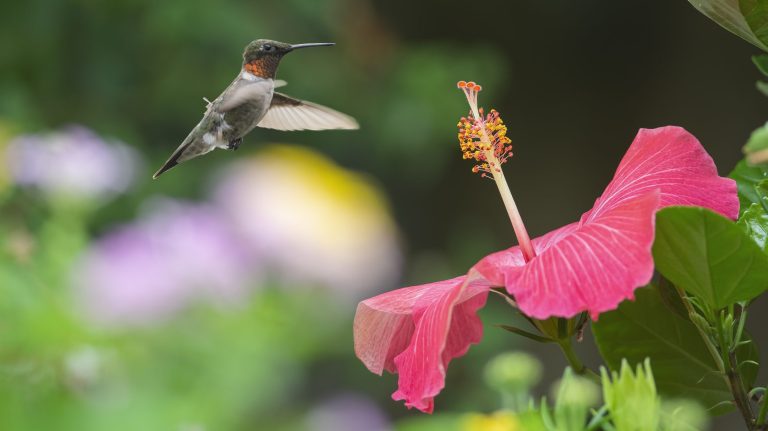
Hummingbirds are amazingly strong birds despite their small size. Though they're only 2-4 inches long and lighter than a nickel, they can fly up to 1,300 miles in one go. Those superfast wing speeds really come in handy. During migration, a hummingbird's wings flap 15 to 80 times a second. And while some may make the Tar Heel State their breeding ground of this season's new additions, most will travel farther north to build their nest in shrubs or small trees.
Before you know it, you might be spotting baby hummingbirds learning to fly all around your backyard. Fun fact: a group of hummingbirds is called a charm! It's my absolute favorite fun fact about hummingbirds, and I'll share it whenever I can. Most of us know the ruby-throated hummingbird as having a bright red bib. But that's actually only true for the males in the species.

Like most of nature, the males are always the more colorful ones. The females, on the other hand, are a bit less colorful, but still dainty and fascinating. They tend to have grey or brown feathers in the throat area. In some cultures, a hummingbird's visit is believed to bring good luck, joy, and love to the person gifted with spotting them. We certainly agree!
When to See Hummingbirds in North Carolina?

Spring is the time to pull out your hummingbird feeder, clean it up, and fill it with sweet nectar to fuel the flight of the ruby-throated hummingbirds. Over the years, the experts have spotted 11 species of these graceful, winged creatures in North Carolina. Of course, the Ruby-throated hummingbirds are some of the most common in the United States, but you could also see other species during the migration period as well, especially in the cooler months.
If you want to know when hummingbirds come back to North Carolina, check out this 2026 hummingbird migration map from Hummingbird Central, which shows daily updates of hummingbird sightings across the United States. This is a helpful guide, and it also shows how hummingbirds have been migrating a bit earlier in the year as the weather in North America warms up year to year. From mid-March through the beginning of April, thousands of them will take flight and land in backyards all over North Carolina to rest and eat as they make the journey.
When to Set up Hummingbird Feeders?

The best time to leave out hummingbird feeders in North Carolina is early April. In addition to putting out a hummingbird feeder with sugar water in it, you can plant tubular flowers to attract these delicate but strong birds. Bright colors are also likely to bring them your way, but DO NOT add any coloring to the sugar water you put in the feeder. We want to keep the food as close to the birds' natural sustenance as possible, and the dye can be toxic. The best DIY hummingbird food recipe is one part sugar and four parts water. Just normal, white granulated sugar will do. Experts suggest that the red dye we've traditionally used may be causing more harm than good, so leave it out. I promise they'll find the feeders!
Hummingbirds have excellent memories, and they are known to return to the same spot every year. If you feed them in the fall, don't be surprised when they come knocking in the spring! The best time to see hummingbirds in North Carolina in droves is during peak migration, which tends to be the first few weeks of April. But that doesn't mean you won't see these beauties before or after that window!
If you're not setting up a feeder but still would love to see these flying creatures, plan a trip to the Wing Haven Garden and Bird Sanctuary in Charlotte. This cheery little garden is filled with lots of colorful blooms that attract the lovely birds. Or bring your entire family to the Reedy Creek Nature Center in Charlotte. They're known for hosting hummingbird events during migration.

Whether you believe the lore about hummingbirds bringing love and good luck or are just simply fascinated by this tiny, winged bird, prepare for some springtime delight as they meander in and out of the backyard in the upcoming weeks.
Have you placed your feeder outside yet? Be sure to use clear nectar that's free from harmful dyes and preservatives! Of course, you could always plant flowers that attract hummingbirds, like geraniums, hibiscus, and other tubular flowers… but we don’t all have successful green thumbs. A hummingbird feeder is an easy solution to keep these tiny but mighty birds in your yard all summer long.
For more springtime adventure, read about the 10 very best places to go in North Carolina this spring. Or when you're feeling inspired, use Only In Your State’s itinerary planner to create your own adventure this year. I use this planner to find those hidden places in North Carolina that are not on my radar. It literally only takes a few clicks.
Subscribe to our newsletter
Get the latest updates and news
Thank you for subscribing!