Monarch Butterflies Are Headed Straight for New Jersey This Spring
Monarch butterflies will migrate to New Jersey in late spring or early summer, and residents can help by planting milkweed and nectar plants.
There are few things more beautiful in nature than the monarch butterfly. These delicate, nectar-sipping insects are known for their famous migration, which brings them to the Garden State annually. If you've asked, "Are there monarch butterflies in New Jersey?" you can expect to see millions of them in New Jersey in late spring or early summer as they make their way north from Mexico.
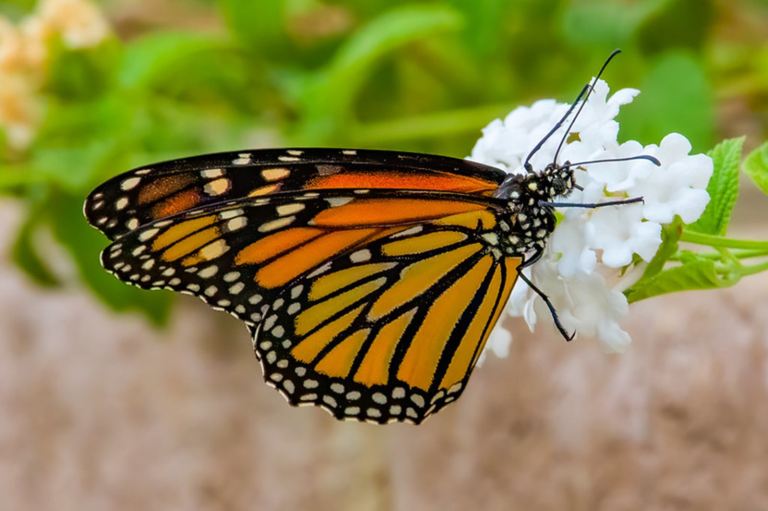
The return of the monarch butterflies in New Jersey is a sign of spring that heralds good times ahead but these beautiful insects can also use our help. Since the 1980s, the monarch butterfly population has declined more than 80 percent, putting their future at risk. If you’re wondering about the best time to see monarch butterflies in New Jersey and how you can help with their migration, we have the answers.
When do monarch butterflies migrate through New Jersey? The annual migration begins in late spring or early summer, with the monarch butterflies usually arriving in New Jersey in early May. While it's common to see millions of monarch butterflies in New Jersey, the beloved insects are considered at risk, predominately due to climate change and the use of pesticides.
In December 2024, the U.S. Fish and Wildlife Service proposed, under the Endangered Species Act, classifying the monarch butterfly as a threatened species. Following the announcement, the agency allotted the following 90 days for public comment before making a decision.

Experts have provided easy ways we can make New Jersey more hospitable for migration as the monarch butterflies make their way north each spring.
One of the easiest ways to help the monarch butterflies is to plant milkweed. Monarch larvae only eat milkweed, so the state urges people to plant this flower wherever they can. While monarch butterflies don't arrive until May, the best time to plant milkweed is in October or November as the cold of the winter will aid in the germination of the seeds in the spring.
Don't worry if you didn't plant your milkweed in the fall. You can still do so in the spring, starting the process indoors using seeds or by purchasing potted milkweed at your local gardening store. Only plant milkweed native to New Jersey, including common milkweed and butterfly weed.
Milkweed tends to grow best in the sun, so plant in the sunniest part of your yard. I've found a quiet and sunny spot in my yard where I plan to plant milkweed this year, and so I don't miss the butterflies, I will also add a camera to catch their comings and goings.

Fortunately, milkweed is not the only plant adult monarchs appreciate. They'll drink from most nectar plants, so an active flower garden is the best way to attract them. Consider planting such flowers as redbud, sassafras, and tulips. You can also leave water out for the monarch butterflies, ensuring you regularly clean the container and frequently provide new water.
Let us know your favorite place to see monarch butterflies in New Jersey - a park, a garden, or a hiking trail - by filling out a nomination form, and we might feature the nominee in an upcoming article.
To learn more about monarch butterfly migration, visit the official website of Monarch Migration. While you're making plans to enjoy the coming of spring, why not pull out your bucket list? Add some of the best things to do in New Jersey in the spring and a pretty wildflower hike for an epic season.
One of the best ways to help the monarch butterflies is to plant a garden. Start by purchasing all the essential gardening supplies.
Subscribe to our newsletter
Get the latest updates and news
Thank you for subscribing!