Be On The Lookout For A New Invasive Species Of Bug In Mississippi This Year
Hammerhead worms, an invasive species in Mississippi, are carnivorous and produce a toxin that can harm humans and pets.
What is long like an earthworm, slimy like a slug, and has a head like a cobra? No, it’s not a creature from a sci-fi movie. It’s a hammerhead worm, an invasive species in Mississippi.
Meet your worst nightmare – the hammerhead worm.
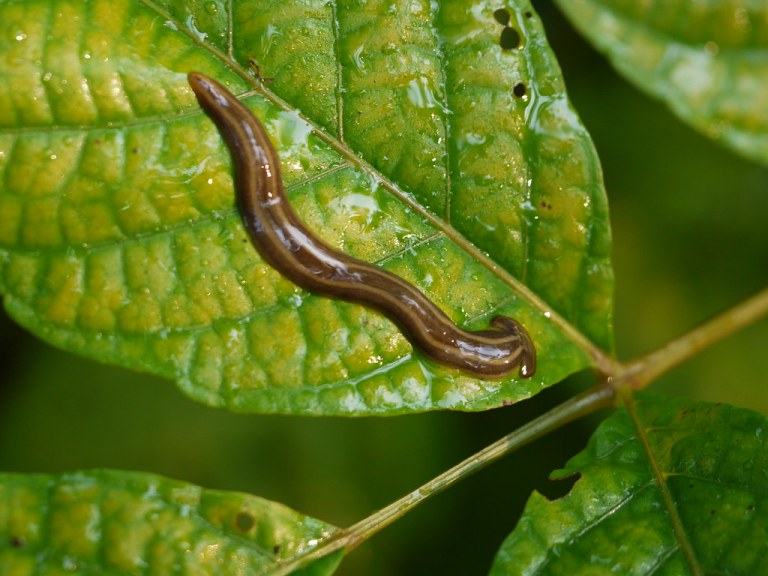
The most distinctive thing about the hammerhead worm is its spade-shaped head, which is why they're also known as shovelhead worms or arrowhead worms.

Their size is another tell-tale characteristic. They can be up to one foot in length.
The creepy characteristics don’t end with the hammerhead worm’s appearance, though.

Hammerhead worms are actually carnivorous, preying on earthworms as well as insect larvae, slugs, and snails. They’ve also been known to cannibalize each other.
Hammerhead worms aren’t native to the U.S., but they’ve been here for years.

It’s theorized that they hitched a ride with plants imported to the U.S. from tropical countries in their native Asia.
The South provides prime living conditions for hammerhead worms.

Fans of warm, tropical climates, hammerhead worms feel right at home in the southernmost portions of the state. They also thrive in greenhouses.
Because hammerhead worms aren’t native to the U.S., they have no known predators, and that could be problematic.

Hammerhead worms produce a toxin that repels predators and paralyzes prey, making it a fierce opponent. This is an issue for earthworms, which hammerhead worms love to snack on. Earthworms are highly beneficial to gardens and ecosystems, converting organic matter into nutrients for plants.
If you come across a hammerhead worm, there are a few things to keep in mind.

For starters, NEVER handle one without gloves. The toxin produced by hammerhead worms can irritate human skin, and, if ingested, will make pets sick.
Disposing of hammerhead worms is no easy task, either.

Hammerhead worms regenerate, which means if they’re cut into pieces, each part will become a new worm - yuck! The best way to dispose of a hammerhead worm is to fill a container with salt, then, using gloves, place it in the container.
So, did you know about this invasive species in Mississippi? Ever spotted any hammerhead worms in Mississippi? If so, did you know what it was? Know of any other invasive species in Mississippi? Tell us.
Should you spot an invasive species in Mississippi, including hammerhead worms, report it to the Department of Agriculture.
Not all wildlife in Mississippi is creepy and crawly. There are cute creatures, too, including spring peepers, which make their presence known every spring season.
Subscribe to our newsletter
Get the latest updates and news
Thank you for subscribing!