12 Fascinating Things You Probably Didn’t Know About The Vicksburg National Military Park In Mississippi
Vicksburg National Military Park commemorates the Civil War siege and defense of Vicksburg with numerous monuments, historic sites, and a national cemetery.
The site of one of the Civil War’s bloodiest battles, the Vicksburg National Military Park was established in 1899 in order to commemorate the siege and defense of Vicksburg. Today, the park is filled with hundreds of monuments and markers, historic homes, forts, approaches and is, of course, the site of the Vicksburg National Cemetery. One of the state’s top attractions, most residents know of the park’s existence but not much else. From the backstories of monuments to the graves that fill the cemetery, here are 12 fascinating facts about the Vicksburg National Military Park.
1. In order to commemorate the African-Americans who served in combat during the Civil War, the Vicksburg National Military Park erected the Mississippi African-American Monument, which cost $300,000.
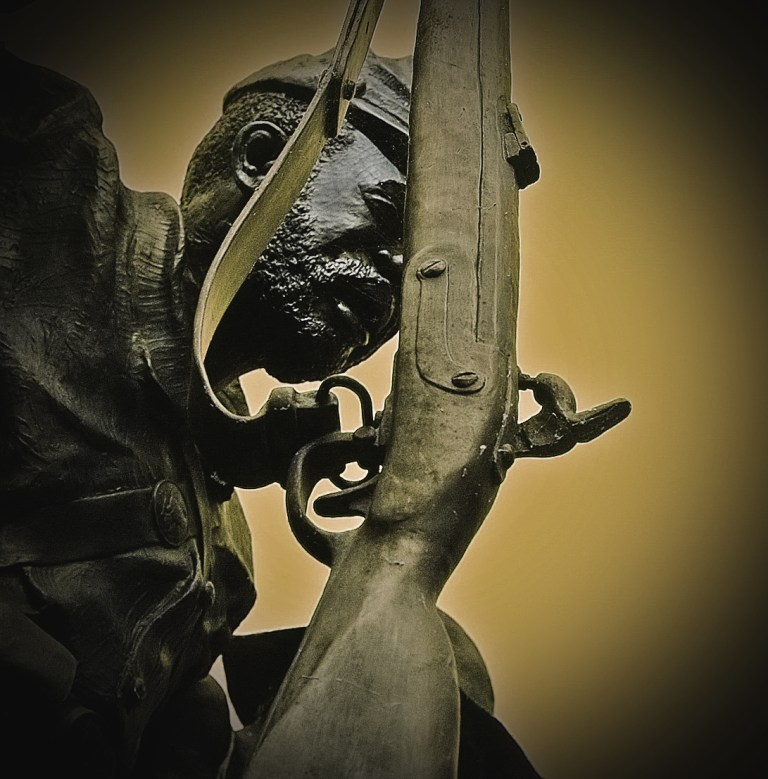
Some of the earliest instances of African-Americans serving in the Civil War were during the campaign, siege, and defense of Vicksburg.
2. With over 1,340 monuments, markers, tablets, and plaques, the Vicksburg National Military Park is one of the most densely monumented battlefields in the entire world.

Roughly 95% of the park’s monuments were erected prior to 1917.
3. In 1977, the gunboat USS Cairo was transported to the park and partially reconstructed. It was at this time that numerous artifacts were recovered, which included weapons, munitions, naval stores, and personal gear of the soldiers who served on board.

The USS Cairo was originally to be transported to the Vicksburg National Park in 1972; however, delays in funding halted the project for several years.
4. Both Union and Confederate veterans lobbied Congress from 1895-1899 so that Pemberton’s Headquarters would be preserved by the Vicksburg National Military Park.

Since the park originally planned to focus solely on the battlefield, legislation only allowed for the placement of a plaque at the headquarters' site. In 1977, Pemberton’s Headquarters was designated a National Historic Landmark, and by 1990, Federal legislation had changed, allowing the headquarters to officially become part of the Vicksburg National Military Park.
5. The Navy Memorial is 202’ in height, making it the tallest in the park.

The monument serves as tribute to the officers and sailors of the U.S. Navy who served in the Vicksburg Campaign.
6. In 1917, Congress appropriated $150,000 to sponsor a four-day veterans’ reunion at the park. Approximately 8,000 former soldiers attended.

Once the event was over, $35,000 remained unspent. This extra money was used to construct the Memorial Arch, which is meant to commemorate the historic gathering.
7. In order to give visitors a glimpse into the life of an average civilian during the Civil War, the park has established the Heritage Garden.

The garden is a replica of a typical Victorian-era kitchen garden, complete with flower beds and traditional commodities grown on southern farms of the day.
8. The present-day site of the General Grant statue once contained a wood frame house, which served as Grant's headquarters.

One night, Grant was awakened by soldiers removing boards from the dwelling. After learning that the home was being dismantled in order to construct scaling ladders for the attack against Stockdale Redan, he gave his approval.
9. The soldiers digging the trench known as Thayer’s Approach were protected from the Confederacy by bundles of cane called fascines.

Forming a roof over the trench, these bundles not only blocked the Confederates’ view but could actually stop bullets.
10. The natural resources at Vicksburg National Military Park played a significant role in the Civil War.

The consistency of the park’s soil allowed troops to dig trenches and tunnels as well as create artificial caves, which were used to provide shelter for civilians during the war.
11. Vicksburg National Cemetery is second in size only to Arlington National Cemetery and has a larger concentration of Civil War burials than any other cemetery in the country.

Originally, national cemeteries were used solely for Union soldiers, which is why the 17,000 Civil War soldiers buried in the Vicksburg National Cemetery are Union soldiers.
12. Among the graves that fill Vicksburg's Cedar Hill Cemetery is one belonging to a camel by the name of Old Douglas.

During the Civil War, Old Douglas was part of the 43rd Mississippi Infantry Regiment, Company A. The camel was part of an experimental program by the United States Army, which aimed to find alternative methods of transportation. Sadly, Old Douglas was killed by a sharpshooter during the Siege of Vicksburg.
What are some other interesting facts about the Vicksburg National Military Park?
Subscribe to our newsletter
Get the latest updates and news
Thank you for subscribing!