The Louisiana Sky Will Light Up With Shooting Stars And A Nearly Full Moon This Weekend
Explore Louisiana's natural wonders, including waterfalls, swamps, and scenic vistas.
Grab your blanket (and maybe some bug spray) - the Perseid meteor shower is going to light up the sky this weekend, and you won’t want to miss it. But that’s not all the sky has in store for us, because the moon will also be in a waxing gibbous phase (nearly full) which, although beautiful to look at, may cause some problems for stargazers this weekend.
The Perseid meteor shower is an annual event that is a much-anticipated summertime tradition for many people.
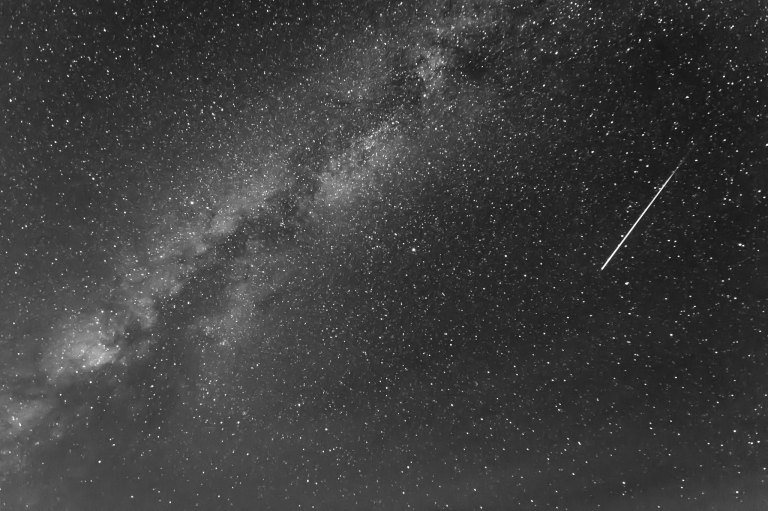
You might want to up your coffee intake, as this inspiring sky show takes place in the middle of the night when the sky is at its darkest.
The 2019 Perseid meteor shower will peak between August 11-13, with the most meteors visible during the late evening on the 12th.

The shower actually lasts from about July 17-August 24 every year, but intensifies during the dates above.
The meteor shower is named so because the meteors look like they’re coming out of the constellation Perseus.

It almost looks like sparks radiating from the Greek hero’s blade!
In past years, you could expect to see up to 60 meteors per hour during peak times.

Don’t expect those kinds of numbers this year, however.
Because the moon will be in a waxing gibbous phase and nearly full, it will be illuminating the sky during peak hours, decreasing visibility.

Remember, the darker the sky, the more meteors you’ll see.
That doesn’t mean that this year’s show will be a bust, though.

According to NASA, sky gazers can still expect to see upwards of 12-20 meteors an hour during peak times.
You don’t need any special equipment to watch this incredible event - just your own eyes.

Be sure to give your eyes time to adjust to the darkened sky, which can take anywhere from 20 minutes to an hour.
For optimum viewing, wait until around 11 p.m. or later, when the Perseus constellation is higher in the sky.

You don’t need to be staring at the constellation to see the meteors, as they’ll be bouncing in all directions across the night sky.
You’ll want to find a dark spot away from city lights if you want the best view.

Head out to a lone country road, a campground, or something similar - anywhere where you can be as far away from light pollution as possible.
Click here to see a light pollution map so you can start mapping out the perfect spot to watch this incredible annual event.
Are you planning on watching the Perseids meteor shower? Have you already started to see meteors in the night sky? Let us know in the comments below!
Since the meteor shower will be visible for several days before and after its peak on August 12, you might want to consider booking a stay at a campground so you can watch the shower for multiple nights. Here are some of our favorites.
Subscribe to our newsletter
Get the latest updates and news
Thank you for subscribing!