These Are the Best State Parks To See Autumn Foliage From Every Corner of Iowa
The best time to see Iowa’s peak fall colors is just around the corner, and trust me, this is a list you’ll want to save!
Carefully curated from every corner of our beloved state, these Iowa state parks offer prime seating for the best shows of the autumn season. We’re talking glowing yellows, burning oranges, and rusty reds spread across the hills, ravines, rivers, and caves that cradle all of Iowa’s best spots. A few are locally famous, others are hidden gems, and all are worth the road trip, whether it’s 10 minutes or two hours away.
1. Wildcat Den State Park
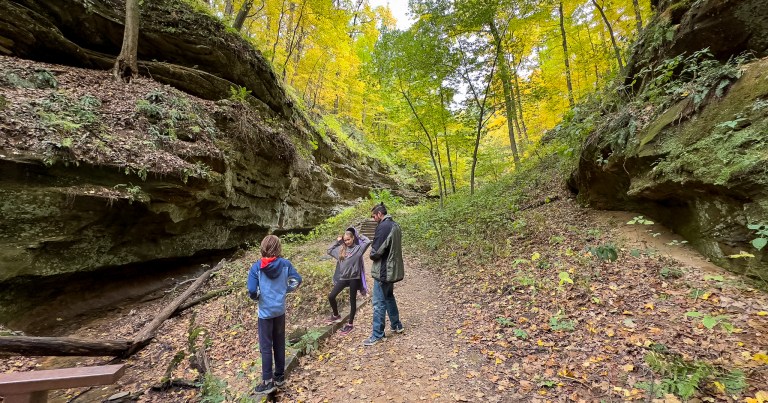
Tucked into the northern countryside of Muscatine, you’ll scarcely believe this Iowa state park has a city address! But don’t be fooled by that misleading detail, as you won’t see any signs of urban life 12 miles north of downtown. Both a historic and geological gem, Wildcat Den State Park is a 400+ acre site pinched between the Mississippi River and 75-foot tall sandstone bluffs. It features two historic structures built in 1848: the Pine Creek Gristmill and the Pine Mill Bridge, along with a 4.2-mile trail that winds through impressive cliffs, caves, and forests. For me, a hike through Wildcat Den is not complete until I’ve checked off the Devil’s Punchbowl, Steamboat Rock, and Fat Man’s Squeeze.
As far as fall foliage goes, Wildcat Den features old-growth oak and history forests, impressive white pine groves, and a sprinkling of silver maples. The primary colors you’ll see are vibrant yellow and burnt orange mixed with deep evergreen greens.
2. Hitchcock Nature Center

As far to the opposite side of the state as you can get, the Hitchcock Nature Center is located in Honey Creek, Iowa, about 15 miles north of Council Bluffs. Not a state park, but a county park and far, far more than just a nature center. Hitchcock is a 1,500-acre preserve within the Loess Hills, a globally significant landscape. I have a near-obsession with these ancient dunes (only found here and in China) covered in savanna, prairie, and woodlands. The area offers unparalleled views of colorful grass, trees, and shrubs blanketing the hills. The first place I go on every visit is the Hawk Tower, located inside the nature center lodge. From the top, you can see migratory raptors, both local and rare, soaring high above the fall foliage.
Hitchcock Nature Center is arguably the best place to see the full range of fall colors possible in Iowa. Tree colors run the gamut from rusty-brown oaks to golden basswoods, and lemon-yellow black walnut trees, plus purple redbuds set off by fiery grasses and shrubs.
3. Backbone State Park

Iowa’s first state park is also my favorite one, perched at the highest point of Iowa in the Driftless Area. With an official address in Dundee, it’s a rural gem on the Maquoketa River, just over an hour west of Dubuque. This behemoth of a state park boasts 2,001 acres, including a state forest, lake, and river. Backbone State Park gets its name from a high ridgeline of ancient bedrock known as the Devil’s Backbone. The park also features striking cliffs, towers, arches, columns, and caves carved from dolomite limestone, which are connected via nearly 25 miles of hiking trails. My personal favorite attraction, albeit modern, is a castle tower overlooking the lake at Backbone Beach.
If you’re seeking out the red hues of fall colors, they can be elusive in many Iowa woodlands, but Backbone is the exception to the rule! Known for its abundant oaks and maples, you can find robust reds and oranges paired with burnt yellows and golden browns throughout the park. Plus, with a wander into the state forest section, you can delight in gnarled cedars and half a dozen pine species along the water’s edge, mixed with the autumn foliage.
4. Maquoketa Caves State Park

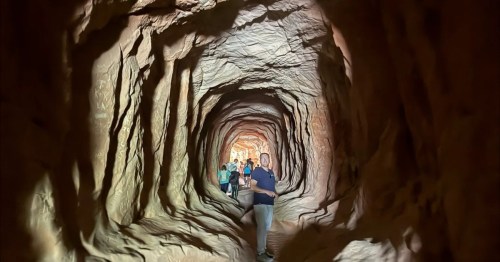
Perhaps Iowa’s most famous park, and rightly so, Maquoketa Caves State Park, lies in an area I think of as Iowa’s nose. Equally east and central, there’s a nub of land shaped by the Mississippi River that keeps Iowa from having a simple square shape. And Maquoeketa Caves is right in the middle of it. In other words, halfway between Dubuque and Davenport or Cedar Rapids and Galena. Despite its rural location and having a cave system with 13 caves, this tiny state park has just 111 acres. The caves are truly awe-inspiring, but so is the surrounding old-growth forest. It’s not surprising that fall is among the best times to experience this Iowa state park.
An abundance of maples, birches, and sumac gives Maquoeketa Caves an extra-long peak fall color window. First yellows, then oranges and reds, followed by deep golds and rust tones. It’s rare to see all colors in unison, but it’s also hard to be disappointed when there’s always a vibrant hue to see throughout October.
5. Ledges State Park

Ledges State Park may be one of Iowa’s most-visited state parks thanks to its proximity to Des Moines. But that doesn’t mean it’s not worth the 40-mile road trip from downtown. Thanks to its decent size, over 1,000 acres, and abundance of hiking trails, it’s pretty easy to spread out, especially if you go later in the day. Ledges sits on the Des Moines River and features a 100-foot deep ravine, sandstone cliffs, and I especially appreciate the historic, stone bridges that cross Pea Creek.
The park woodlands turn brilliant colors of deep orange and red late in the peak season thanks to thick groves of maple, oak, and sumac trees. Some parts of the park also feature yellow foliage earlier in the season and rusty hues as it closes out.
Regardless of which fall color you’re seeking, Iowa has abundant forests laced with waterways and rock formations for a scenic fall hike. Choose your favorite park and share this article with a friend who wants to go leaf peeping!
Plan your own trip to Iowa with Only In Your State’s AI-powered itinerary planner.
Subscribe to our newsletter
Get the latest updates and news
Thank you for subscribing!