My Favorite Park in Florida Is a Little-Known Oasis for Birding
Once a utility site, now a thriving wetland sanctuary—Wakodahatchee Wetlands offers a peaceful, wildlife-rich escape perfect for birders, photographers, and nature lovers alike.
Birding is experiencing a resurgence, especially among young people who are looking to disconnect from their mobile devices for a while and get out into the world. I remember when birding was more of an adult activity, but lately, I feel like I see more and more young people out and about, eyes glued to the skies. After all, there’s probably an app for that.
If you happen to be in the area and you want to visit what some have called the best bird watching in South Florida, then head on over to Wakodahatchee Wetlands. This little-known Florida park is open to the public, free to enter, and stretches over 50 miles in size.
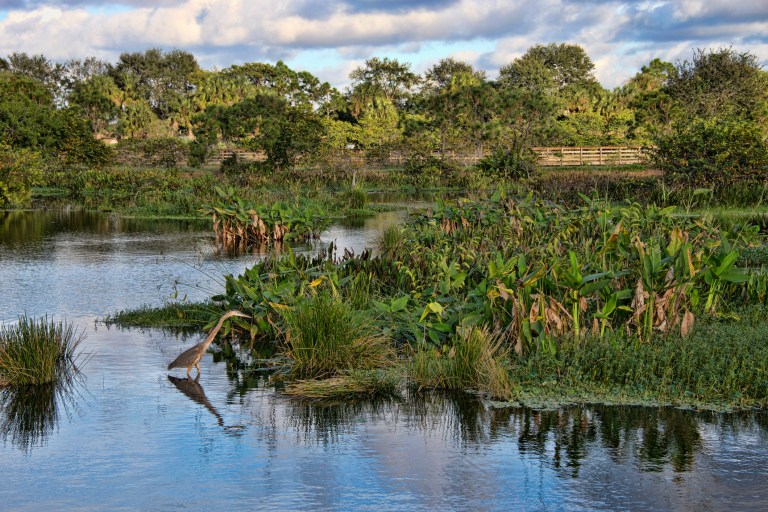
Wakodahatchee Wetlands, situated in the heart of Delray Beach, Florida, is a lush, wildlife-rich oasis with a fascinating history. What was once a stretch of unused utility land has since transformed into a thriving man-made wetland that supports local ecosystems while helping purify reclaimed water. The name “Wakodahatchee” means “created waters” in the Seminole language, and that’s exactly what this place represents—a successful blend of conservation and innovation.

Developed by the Palm Beach County Water Utilities Department in 1996, the 50-acre site now treats roughly two million gallons of highly filtered reclaimed water daily. This water filters through a carefully designed network of ponds, marshes, and native vegetation, naturally cleansing it before it returns to the local aquifer. The result? A beautifully expansive, eco-friendly oasis that attracts both wildlife and visitors in droves.

Wakodahatchee is particularly known for its birdwatching opportunities. More than 150 bird species have been documented here, including great blue herons, wood storks, and an abundance of egrets. During nesting season—especially between January and April—you can spot baby birds in nests built close to the boardwalk. It’s also not unusual to see turtles sunning themselves, marsh rabbits darting between reeds, and even the occasional alligator floating in the water below. The wetlands are part of the Great Florida Birding Trail, making them a popular stop for both amateur and seasoned birders.

At the heart of the park is a beautifully maintained, three-quarter-mile boardwalk loop. It winds through open water, cypress stands, and marshes, offering an up-close look at the diverse flora and fauna. The path is flat, easy to navigate, and fully accessible, with shaded seating areas, gazebos for viewing, and interpretive signs that explain the area’s ecology and purpose. It’s an ideal walk for families, casual strollers, and photographers alike.
The wetlands are open daily from sunrise until around sunset, with seasonal variations. Visiting early in the morning or late in the afternoon is often best for spotting wildlife and avoiding the midday heat. There’s no admission fee, but parking can fill up quickly, especially during cooler months when migratory birds are in residence. It’s a good idea to arrive early, particularly between February and April.
With its engaging mix of natural beauty, sustainability, and accessibility, this wetland offers a uniquely relaxing and educational experience for all ages. Have you ever visited this Florida wetland park? We'd love to hear about your experience!
Subscribe to our newsletter
Get the latest updates and news
Thank you for subscribing!