Weather Patterns and Fire Season in Arizona: What a Local Meteorologist Can Tell Us
To further understand wildfires and fire season in Arizona, I spoke with local meteorologist Tony Merriman, who gave some insight.
Wildfires are devastating events. While many of us are familiar with the Smoky Bear catchphrase, "Only YOU can prevent wildfires," it's not entirely accurate. Many factors, such as dry conditions, high temperatures, low humidity, and human causes, can spark a wildfire at any moment, and they have become increasingly common each year. To further understand wildfires and fire season in Arizona, I spoke with local meteorologist Tony Merriman, who offered some insight.
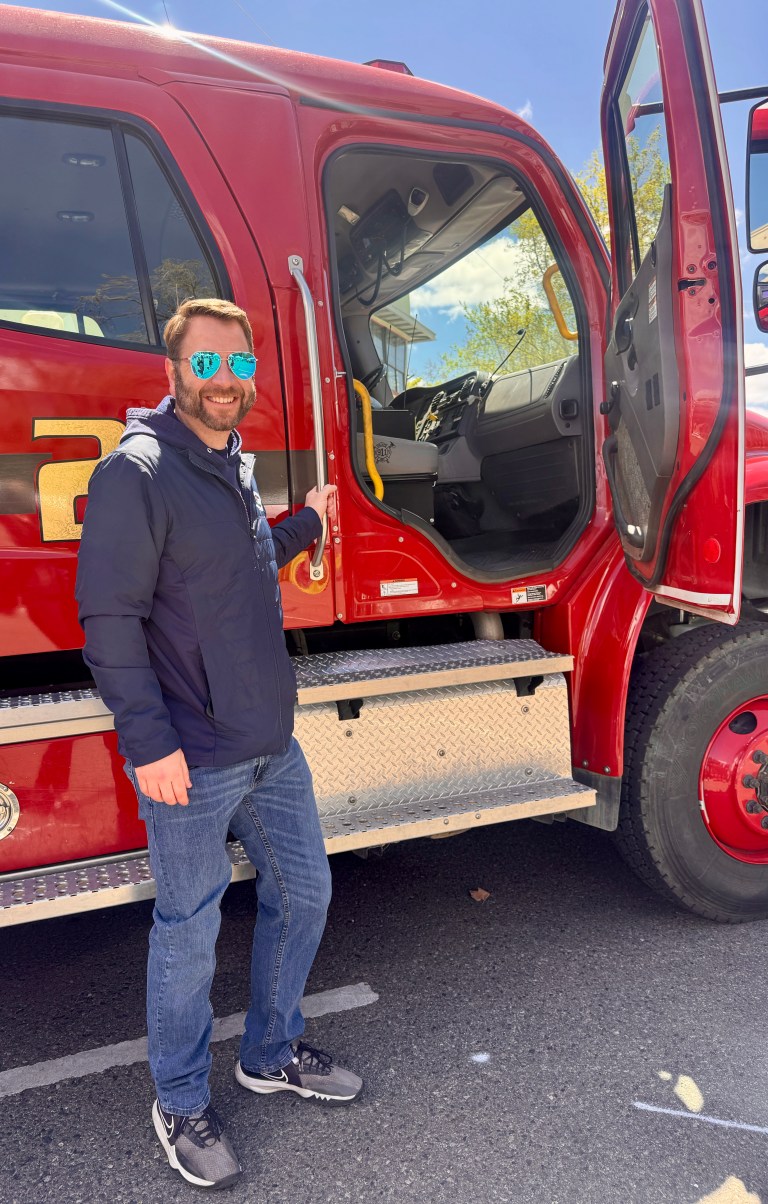
Tony Merriman has been a meteorologist for more than 20 years. After receiving a B.S. in atmospheric science from Indiana University, he started his career with the National Weather Service. For the next twenty years, he traveled around the country forecasting local weather in Indiana, Texas, North Dakota, and Arizona. He now works as a meteorologist for a private company.
What Were the Most Devastating Wildfires in Arizona History?

Arizona has seen its fair share of devastating wildfires over the decades. When I asked meteorologist Tony Merriman what the worst wildfire in the state's history was, he said, "The Yarnell Hill Fire because 19 firefighters died." While it wasn't the most widespread fire, only affecting 8,400 acres, it was the most devastating in terms of the number of human lives lost. This particular fire was started by dry lightning on June 28, 2013 in Yavapai County, and it was fought by members of the Granite Mountain Hotshot Crew. Only one Hotshot who's job was
Another devastating wildfire, according to Merriman, occurred June 18-July 7, 2002. This was the Rodeo-Chediski Fire which burned through 468,638 acres in Coconino and Navajo Counties. The cause? Two separate manmade incidents: one fire was started by an arsonist and the other was started by a stranded quad driver trying to attract the attention of a helicopter in order to get rescued. The two fires merged together into the largest wildfire in the state's history at the time.
And then there was the Wallow Fire which started on June 13, 2011. By the time it was contained, it burned through 469,407 acres, taking the number one spot as the largest wildfire in Arizona's history. This particular fire was started by a campfire that was started by two campers who failed to fully extinguish the fire in the Bear Wallow Wilderness Area.
When is Wildfire Season in Arizona?

I asked Merriman about the state's fire season, thinking it was a set time within the year. However, he stated, "It's year-round in Arizona, but the peak fire season is May through early July, just before monsoon season." So, just as there's a monsoon season in Arizona, we also have a peak wildfire season, and he and others in his field are on high alert during that time. While wildfires can happen at any time, especially when caused by humans (e.g., arson, cigarettes, unextinguished campfires, etc.), there are also natural causes.
What Weather Patterns Do Meteorologists Look at to Predict Wildfires?
Merriman said that meteorologists look at several factors when it comes to predicting wildfire conditions. The weather pieces include strong wind, high temperatures, and low humidity. They also look at the fuels, as in vegetation that can help a fire spread, especially if it's dead and/or dry. There are several tools meteorologists use to predict conditions, including satellite imagery and computer weather models.
How Can Wildfires Be Prevented?
While there are certain weather conditions that can cause fires, we can certainly help reduce the risk. So, how can we help prevent wildfires? Here are some tips:
- Clean up any brush and yard waste within 30 feet of your home, remove invasive plant species, and trim any trees and bushes as these can act as fuels to a fire.
- Do not burn anything outdoors on a windy day.
- Never leave a campfire unattended, and when you leave, make sure that the fire and its embers are fully extinguished.
- Do not throw cigarettes out your car window.
- Do not use fireworks.
- Don't park a car over dry vegetation, including grass, as a spark from a vehicle can cause a fire.
- Check local weather conditions, especially during hot, windy days.
- You can also join your local Firewise USA community for more helpful information on reducing the risk of wildfires.
No one wants to experience a wildfire, but unfortunately, they do happen. Do you have any other tips about reducing the risk of wildfires during peak wildfire season in Arizona? Let us know.
When temperatures heat up and there's high wind and low humidity, the risk of wildfires increases. Please listen to local weather reports, pay attention, and be safe!
Subscribe to our newsletter
Get the latest updates and news
Thank you for subscribing!