Don’t Try This One Hike in Alaska if You’re Afraid of Heights
Rising steeply above Exit Glacier in Kenai Fjords National Park, the Harding Icefield Trail climbs exposed mountainsides and narrow switchbacks that can feel overwhelming for anyone with a fear of heights.
While the Harding Icefield Trail may look unthreatening at first glance, visitors should not be fooled. This is a hike that rapidly transforms from a scenic stroll into one of Alaska’s most intimidating trails. Surrounded by greenery, rushing meltwater, and travelers snapping photos just a short distance from the parking lot, the Harding Icefield Trail is worth the fear of heights.
Elevation, Switchbacks, Drop-Offs, and No Guardrails
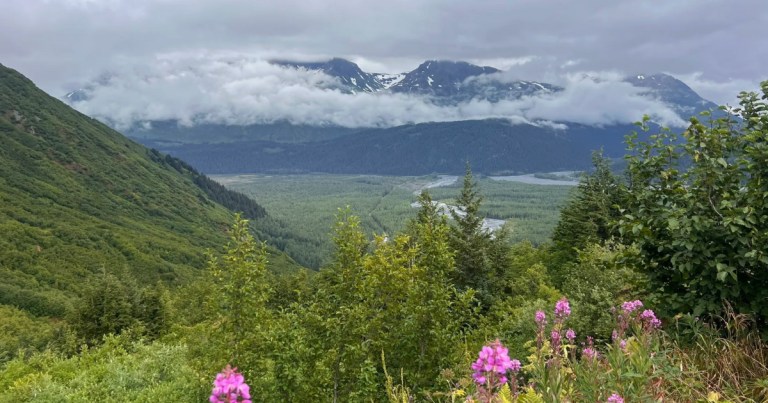
Roughly gaining 3,000 feet of elevation in just over four miles, the Harding Icefield Trail wastes no time getting steep. After winding through the forest, the trail emerges onto the open mountainside. Trees thin out, the terrain grows rugged, and the path begins carving narrow switchbacks into the slope. That’s when the exposure becomes unavoidable, so be sure to pack sunscreen, a solid pack, and a protective hat.
Large portions of the trail cling to steep hillsides, with total drop-offs plunging hundreds, and at times, sometimes thousands, of feet below. With no railing or cables to reassure nervous hikers, remind yourself that looking down is optional. But the feeling of space beside you, containing just dirt, rock, and air, is constant. Hikers with vertigo, even stopping to catch their breath, can feel unnerved when their peripheral vision is filled with space and the distant valley floor.

The Psychological Challenge of Constant Exposure
What makes the Harding Icefield Trail even more terrifying over time is the consistent exposure over miles of terrain. The higher you climb, the wider the landscape opens up. Exit Glacier shrinks far below, valleys stretch endlessly, and the sense of scale becomes overwhelming.
On clear days, the views are jaw-dropping. On cloudy days, the drop-offs disappear into fog, which can be even more disorienting. Without visual reference points, depth perception fades, and exposed sections can feel far more precarious than they actually are.
The weather is a significant factor on this trail. Sunshine at the trailhead often gives way to cold winds, sudden fog, and dramatically lower temperatures near the top. Gusts can knock you off balance, and lingering snowfields are common well into summer. Many hikers turn around not because they’re tired, but because the combination of exposure, wind, and low visibility pushes their comfort level too far.

The Final Push to the Icefield and Surprising Calm at the Top
The last stretch before reaching the icefield can be a mental breaking point for many people. The trail steepens, the wind intensifies, and the path narrows into a thin line across the slope. With little visual shelter and nothing but open air beside you, this section feels less like hiking and more like confronting your fear head-on.
Ironically, the reward is serene. The Harding Icefield itself is vast, white, and almost perfectly flat, stretching to the horizon like a frozen ocean. After hours of steep climbs and exposed terrain, the landscape suddenly feels quiet and stable. But reaching it requires pushing past fear, fatigue, and a constant awareness of what lies below.

Know Your Limits
The Harding Icefield Trail isn’t inherently dangerous if you’re prepared, but it is mentally demanding. Fear of heights can drain energy, slow progress, and turn an already strenuous hike into an exhausting experience. Turning around is common, and it’s nothing to be ashamed of. For travelers seeking something more to explore in Alaska, be sure to use the Only In Your State AI-powered itinerary planner to receive customized local restaurant, activity, and event suggestions.
This hike is unforgettable, breathtaking, and absolutely worth it … for the right person. But if heights make your knees shake or your palms sweat, this is one Alaska hike you might want to admire from the bottom.
Subscribe to our newsletter
Get the latest updates and news
Thank you for subscribing!