There’s An Incredible Meteor Shower Happening This Winter And Alaska Has A Front Row Seat
Explore Alaska's breathtaking natural wonders, including canyons, caves, waterfalls, and scenic vistas.
This winter, we're in for an unusual treat! The Quadrantid Meteor Shower will be making an appearance between January 3rd and 4th, 2022. While Alaskans are frequently gifted with winter night shows of our beloved aurora borealis, we often miss out on meteor showers— especially as many of the most celebrated meteor showers, like the Perseids, happen in the summer during our beautiful 20+ hours of daylight! Luckily, with a little bit of planning, we may just be able to sit in on this Alaska meteor shower display.
The Quadrantid Meteor Shower has existed for a relatively short amount of time, as the first official sighting of this meteor shower was only in 1825.
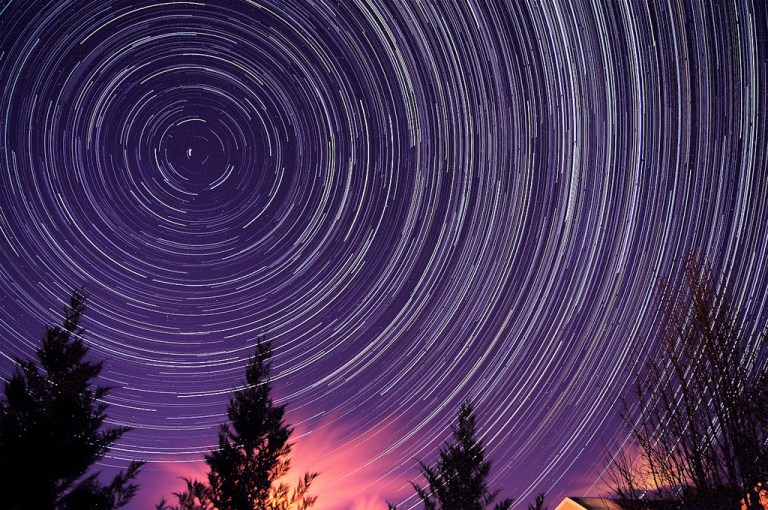
With meteor showers like the Perseids Meteor Shower orbiting for over 1000 years, the Quadrantid Meteor Shower is usually overlooked, as its most spectacular shows are usually bright and short, sometimes lasting only a couple of hours. However, during the times of its most impressive display, some years it actually has more meteoroids per hour than the Perseids! The most prolific year recorded was 2014, which saw a spike of 315 meteors in one hour!
After orbiting the sun for hundreds of years, the meteoroids from the Quadrantid Meteor Shower will enter our atmosphere at over 90,000 mph! They will burn up a mere 50 miles from the Earth's surface.

Most meteor showers originate from a comet. This meteor shower originates from an asteroid that was only discovered very recently. Astronomers believe this asteroid resulted from the breakup of a comet that "disappeared" after a large meteor display recorded in China in 1490.
Outside of the peak hours of viewing, Quadrantid meteor's can be fainter and easy to miss.

However, during peak hours, these meteors are very impressive. They can appear as big fireballs, and leave large, glowing tails across a dark winter sky. Even in "off-peak" hours, estimates of 25 meteors per hour are still admirable.
The best way to find this meteor shower in the night sky is to look for Alaska's favorite constellation, The Big Dipper.

Navigate to the end of the "handle" of the Big Dipper, and arc across the sky until you see the red giant star, Arcturus. Arcturus is the "anchor" to the constellation "Bootes." You should be able to see the meteors originate from between the two constellations.
The official prediction for best visibility by the International Meteor Organization is 2:00 a.m. in UTC, or in Alaska Standard Time, 5:00 p.m.

As there is a new moon during the period of expected activity, and January 6th is an estimated partial solar eclipse, this may be a prime opportunity for some spectacular meteor watching. But remember, meteor showers are notorious for following their own schedule, and not predictions. The best way to catch a glimpse is to get out there and look for yourself!
During the Quadrantid Meteor Shower in 2014, many people in the northern latitudes weren't just experiencing the meteor shower; they were also being treated to an auroral display!

This year our Aurora Forecast is a solid 3, or Moderate. There is a good chance of seeing aurora overhead if there are clear skies, anywhere from Barrow to Talkeetna. If you're south of Talkeetna in areas like Soldnota, Bethel, and Southeast Alaska, you may be able to spot the aurora low on the horizon, with the meteor shower overhead! Fingers crossed for clear weather on the night of January the 3rd.
For more information about the Quadrantid Meteor Shower in Alaska, you can visit timeanddate.com for visibility predictions and a computer model of simulated meteor sightings.
What's your favorite meteor shower that you have seen in Alaska? Be sure to share with us in the comments below -- we'd love to hear from you! Wondering where to get a great view of the stars? Any of these 17 Incredible Places To View The Northern Lights would also be a terrific place to watch for the meteor shower!
Subscribe to our newsletter
Get the latest updates and news
Thank you for subscribing!