11 Of The Most Colorful Expressions Mississippians Use…And Just How They Got Started
Explores the origins and meanings of 11 unique expressions commonly used in Mississippi.
We Mississippians have our own way of speaking. And I’m not talking about the accents outsiders swear we have. Nope; I’m referring to the colorful expressions we use on a daily basis. The phrases you probably don’t give much thought to because you’ve heard them your entire life. However, if you actually take a minute and think about some common southern sayings, it’s hard to imagine how they came about. So we did a bit of digging around to find the origins of 11 of the most interesting expressions used by Mississippians. Read on to see if your favorite made the list.
1. "Have a hissy fit."
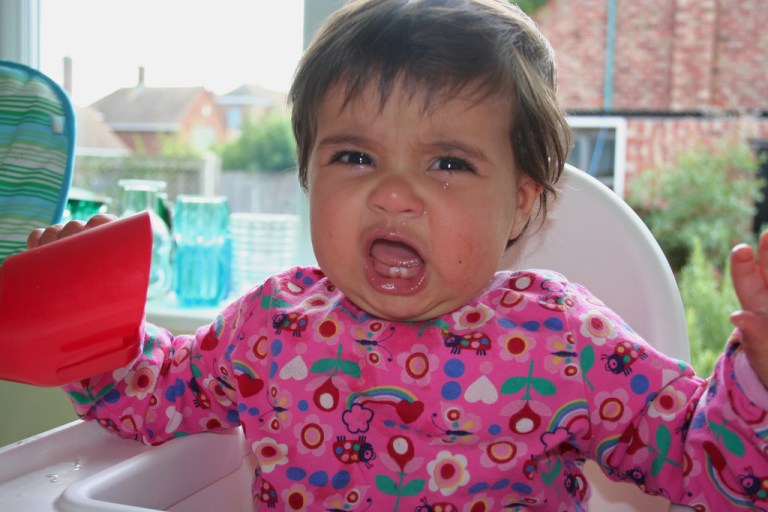
What it means: To throw a temper tantrum.
Where it came from: Though believed to be used as early as the 1930s, this expression didn’t come into common usage until the 1970s. As far as its roots, many scholars speculate that "hissy" in the phrase comes from the word "hysterics," while others believe it came about because people who are in the midst of a tantrum might hiss or sputter.
2. "Playin’ possum."

What it means: Faking or pretending in order to get out of an undesirable situation
Where it came from: When threatened by predators, possums have a go-to mode of defense – playing dead. Eventually, this fact became pretty common knowledge and lead to this colorful saying, which was first used in 1822.
3. "In high cotton."

What it means: To be successful or profitable.
Where it came from: This phrase was pretty common prior to the Civil War when cotton was a major cash crop. It was used to refer to a plentiful crop of cotton that was to be sold for a good profit.
4. "Fair to middling."

What it means: To be doing okay; feeling average.
Where it came from: Used since at least the 15th century, "middling" is a Scottish word that means "of medium or moderate size, strength, and quality." Farmers would use the term, along with "good, fair, ordinary, and poor" when describing crops. The expression "fair to middling" didn’t come about until three centuries later in the mid 1800s.
5. "Take a cotton to."

What it means: To be fond of something or someone.
Where it came from: Serious literature fans know that this phrase was first uttered by Mr. Squeers in the Charles Dickens novel "Nicholas Nickleby."
6. "Cain’t never could."

What it means: If you believe you can’t do something and don’t try, you’ll never succeed.
Where it came from: While it’s known that this phrase originated in the South, a date of when it was first used is unknown.
7. "Scarce as hen’s teeth."

What it means: In limited supply.
Where it came from: This one was first used during the Civil War. Pretty self explanatory, it came about because, well, hens have no teeth – it’s as simple as that.
8. "Well, I swanny!"

What it means: An exclamation, similar to "I do declare."
Where it came from: Surprisingly, this one has nothing to do with swans. The expression actually originated in northern England and is simply an exclamatory phrase. It’s derived from the shortened version of "I shall warrant," which is "Is’wan." By the early 19th century, the saying made its way across the pond to the United States.
9. "That dog won’t hunt."

What it means: A plan or idea that is sure to fail.
Where it came from: It should come as no surprise that this expression originated in the South, where dogs are commonly used to hunt. The phrase was first used sometime in the late 1800s.
10. "Madder’n a wet hen."

What it means: To be REALLY angry.
Where it came from: A hen sometimes go through a stage of "broodiness," at which time it makes it difficult for farmers to collect its eggs. One way farmers deal with the issue is by dunking the hen in cold water. And as you can imagine, suddenly being dunked in cold water doesn’t go over very well with the hen.
11. "All get out."

What it means: To do something to the extreme.
Where it came from:
While some scholars claim this phrase was first used in the 1884 publication of "Huckleberry Finn," there are numerous examples of it being used before that – with one of the earliest being in 1838.
Do you use the expressions listed above? Have another to add to this list? Tell us in the comments section!
If you enjoyed this, be sure to check out "11 Counties In Mississippi With The Most Bizarre Names You’ve Ever Seen."
Subscribe to our newsletter
Get the latest updates and news
Thank you for subscribing!