Few People Know About This Bloody Civil War Battle That Helped Set The Boundary Between West Virginia and Virginia
The Battle of Allegheny Mountain in 1861 was a significant and bloody Civil War battle that influenced the formation of West Virginia.
The year is 1861. It's the middle of winter, and Confederate and Union troops are camped throughout the Virginia highlands. It's been a particularly cold winter, many soldiers are sick, and morale is low.
But the American Civil War has only just begun.
At sunrise on December 13, 1861, Union and Confederate forces met on Allegheny Mountain, in what would become one of the bloodiest battles in that first year of war.
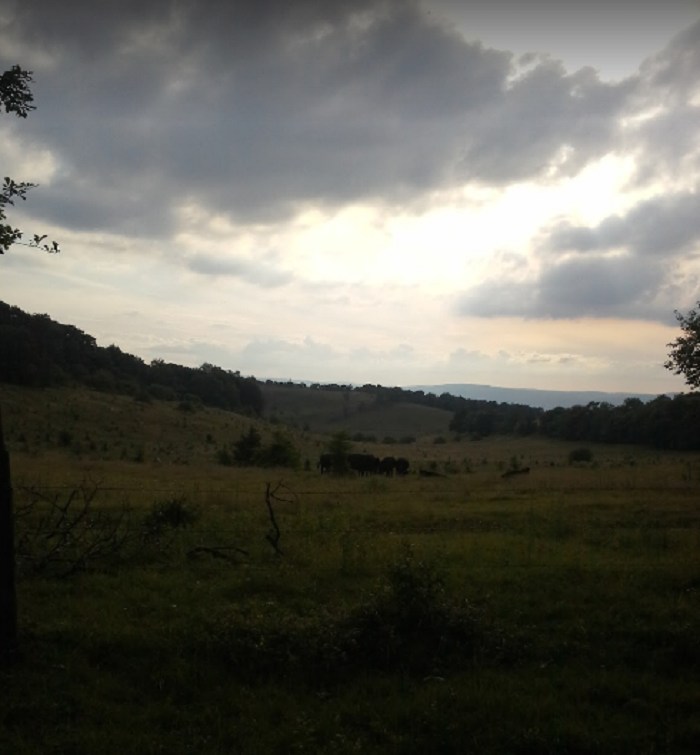
You would never know by looking at it now, though: it's a peaceful, lush high mountain meadow.
The Confederate army occupied the summit, defending the Staunton and Parkersburg Turnpike. Union forces flanked the Confederate camp in an attempt to seize control of the pass.

Here's what a portion of the Staunton and Parkersburg Turnpike looks like today.
They were unsuccessful, and the battle ended with neither side gaining any ground. But it was a costly skirmish, claiming over 280 lives.

The Confederate leader Edward Johnson earned his nickname from this battle: "Allegheny" Johnson. The Union army was led by Robert H. Milroy.
It was also a significant battle for the formation of the new State of West Virginia because the line held by the Confederate troops in that battle cemented Confederate control of Highland County.

Thus, even though Highland County, Virginia and Pocahontas County, West Virginia are similar culturally and geographically to one another, only Pocahontas County (which was under Union control) was allowed to separate.

Incidentally, Allegheny Mountain forms part of the Eastern Continental Divide, so a portion of the state border follows that line.
Did you know the history of the Battle of Allegheny Mountain (also known as the Battle of Camp Allegheny)? Many other significant Civil War battles were fought in our state, including the Battle Of Rich Mountain or the Battle of Droop Mountain.
Subscribe to our newsletter
Get the latest updates and news
Thank you for subscribing!