Washington’s Dark Winter Skies Explode With Beauty at This Meteor Shower
Our days might be short and dark, but this January, The Quadrantid meteor shower will light up Washington's skies. Learn more about this stunning event!
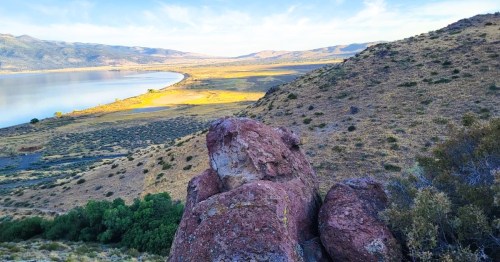
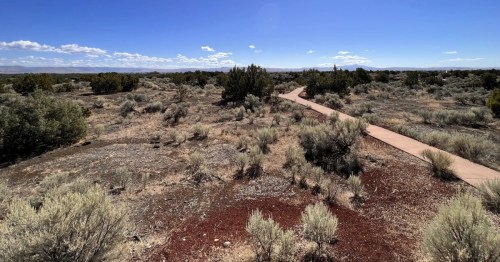
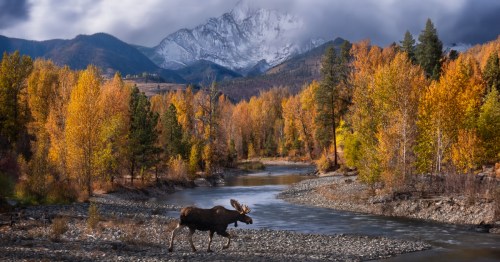
Oh, Washington. It's a state with more natural beauty than most residents know what to do with but a painfully short window for getting outside without being drenched. This tension between breathtaking landscapes and spirit-wilting weather is one of the many reasons I'm always on the lookout for outdoor activities to do over Washington winters.
This January, I recommend heading away from the bright city lights to witness the Quadrantid meteor shower. Whether you're a stargazer or simply someone looking for an excuse to spend the night beneath the stars, this annual event belongs on your radar.
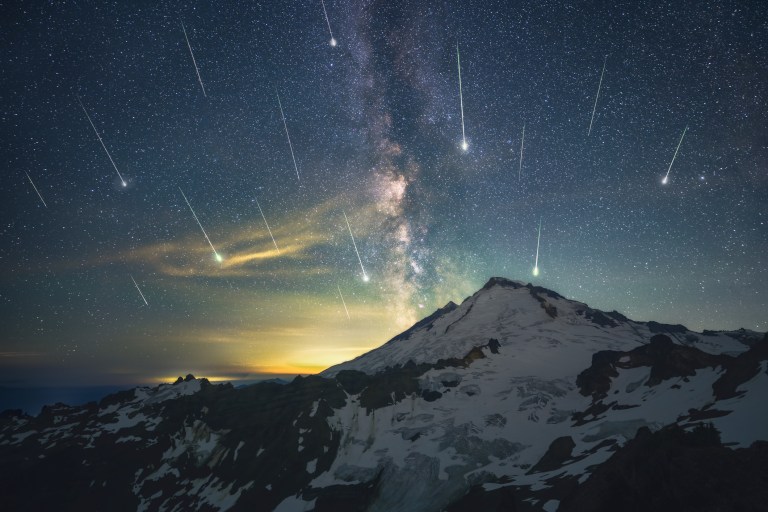
Less famous than its summertime equivalent, the Perseids, the Quadrantid meteor shower begins late winter, peaking around January 3 and 4. Of the two, I actually prefer seeking out the Quadrantids. Due to higher levels of atmospheric humidity and longer days, summers have more perceived light pollution than colder months. This decreased visibility drives stargazers farther afield for the best chance of witnessing these breathtaking astronomical displays.
Though you'll still want to drive somewhere dark — Mount Rainier National Park, the Olympic National Park, and stretches of Eastern Washington are known for their pristine skies — you can get away with posting yourself closer to home if you want to see the Quadrantids. Simply camping out in rural parks outside Seattle and Spokane can make a difference. With your location settled, all you'll need for an idyllic nighttime adventure are binoculars, a cozy blanket, and a thermos of something warm like cocoa.
If you're a real go-getter, you can time seeing the Quadrantid meteor shower on a trip to a remote spot like Leavenworth or Methow Valley. These areas are home to numerous high-rated vacation rentals. Late-night stargazing is the perfect activity to make your getaway something truly magical. For the most dazzling show, stay up or set your alarm for 1 a.m. Pacific Standard Time. Patient viewers can spot as many as 120 meteors per hour during the shower's peak.

Whether you're watching alone or with others, there's something spectacular about these annual displays. As people, we're rarely able to observe Earth's connection to the universe expressed in real time. The glittering particles of the Quadratids each derive from an asteroid or comet scientists call 2003 EH1, believed to be 500 years old. In fact, some experts propose it's a comet first observed by Chinese astronomers in 1490.
What remains of elusive 2003 EH1 streaks through Earth's orbit today, revisited by our planet each year when we pass by its wake of cosmic dust. As we crane our necks toward the sky, we perceive time itself— made not only visible but also breathtakingly beautiful.
If you're looking for an outdoor activity this January, head somewhere dark on Jan. 3 or Jan. 4, 2025, and search for the Quadrantid meteor shower. Not only does this showstopping astronomical event get you outside, but it serves as a gratifying reminder of our place in the universe. Like me, you might find stargazing becomes a lifelong passion.
Subscribe to our newsletter
Get the latest updates and news
Thank you for subscribing!