Five Different Planets Will Align In The Utah Night Sky During An Incredibly Rare Display
Utah offers a plethora of stunning natural wonders, including canyons, caves, waterfalls, and unique rock formations, making it a paradise for nature lovers.
Here in Utah, we love our star shows. We have more than 20 dark sky parks across the state where you can experience extraordinary stargazing. However, we're about to have the opportunity for another incredible reason to go outside and look up at the night sky. Get ready for what is being called a "planet parade." During this stunning event, all five naked-eye planets can be seen in orbital order at various times throughout the night. It’s truly the ultimate sky show, but get out there soon. This lasts just a few days!
This planet parade is quite a rare event and one that you will not want to miss. In the sky just after sunset and then lasting throughout the night, you’ll be able to spot Mercury, Jupiter, Venus, Uranus, Mars, and Jupiter — all in a row. Some will even be able to see Saturn.
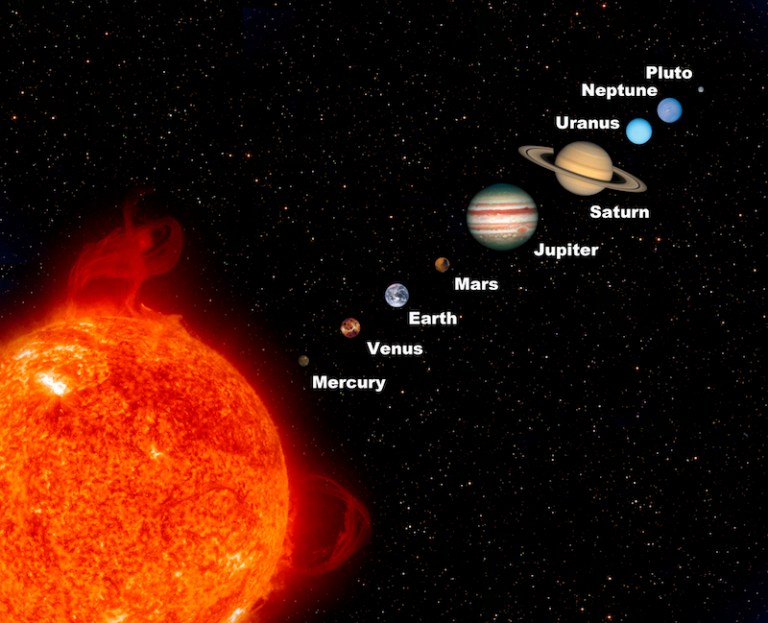
The event begins March 25, 2023 and lasts through March 30. While there will only be a few days to catch it, the goods news is that star-lovers won't need to rise before dawn to catch it. The action begins just after sunset. And, most of it can be see with the naked eye.

Easiest to spot is Venus as it's frequently the brightest light in the sky. Uranus will be a bit harder, so you might want to grab binoculars to see it. Another important point is that Jupiter won't be visible for the full five days. After the 28th, the planet dips below the horizon so try to get out before then if you'd like to catch a glimpse.

The first visible planets, Jupiter and Mercury, will come into view just after sunset. Look a bit lower in the sky to spot them before they're gone in less than an hour. Just above these two planets is Venus followed by a much smaller Uranus.

Venus and Uranus will be best seen when there's less light in the sky. But, just like the first two, they'll only be visible for an hour or so. As the earth moves, they'll dip below the horizon.

Next is Mars, which should be fairly easy to see throughout the night. And, in some areas viewers will be able to see Saturn in the early morning just before sunrise on March 27 and 28.

For best viewing be sure to find a dark spot away from any light pollution. You'll also want to make sure you have a clear and unobstructed view of the western hemisphere. And, of course, keep your fingers crossed for clear weather!
Do you have plans to check out this nighttime planetary show? Do you have the perfect location in mind to view it? Let us know in the comments!
Did you know that Utah is home to some of the best stargazing locations in the entire country? It’s true and each destination should be on every Utahn’s bucket list.
Subscribe to our newsletter
Get the latest updates and news
Thank you for subscribing!