The Haunting Appeal of Halloween: Lore, Legends, and the Rise of Spooky Tourism
Delve into the world of Halloween, where folklore meets tourism. Discover why Millennials and Gen X are drawn to this spooky season, the rise of haunted attractions, and the cultural impact of horror films. Join us as we explore the legends and experiences that make Halloween a billion-dollar industry.
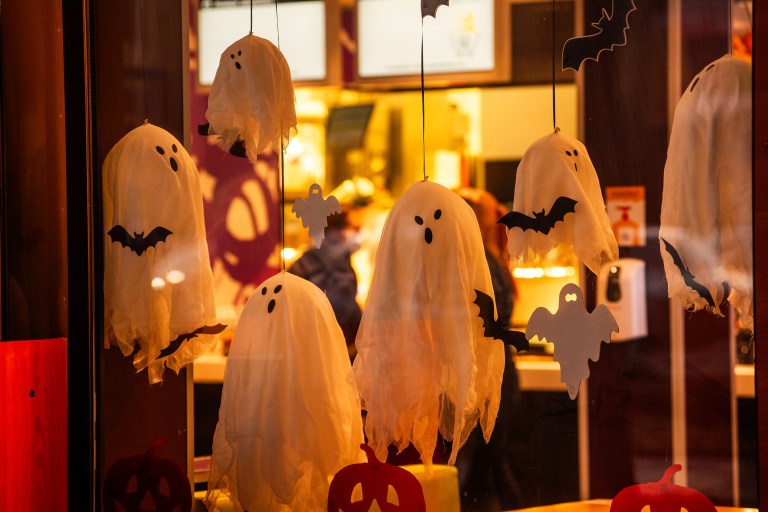
Halloween has evolved from a singular night of trick-or-treating into a cultural phenomenon that spans industries, generations, and even travel destinations. What once started as a simple celebration of costumes and candy has transformed into a billion-dollar industry, driven largely by Millennials and Gen Xers mesmerized by its spooky appeal. But why is Halloween such a powerful draw? From haunted history to psychological thrill-seeking, the reasons might seem as mysterious as the holiday itself.
If you're looking for an audio adventure to accompany this article, check out our recent States of Discovery podcast episode!
The Overall Allure of Legends and Lore

When we talk about Halloween as a whole, we have to start with where it all began really - legends and lore. Halloween's deep-rooted connection to folklore and legends is at the heart of its lasting appeal. Stories of ghosts, witches, and the supernatural have intrigued people for centuries, and these tales only grow stronger as they are passed down from generation to generation. Towns like Salem, Massachusetts, have embraced its dark past to become haunted hotspots for travelers. Salem’s tragic history of the 1692 witch trials has become a must-visit destination for those curious about witches, haunted houses, and eerie legends of America's sordid past. It’s not just history that draws tourists—it's the promise of encountering something otherworldly.
In addition, places like the Ohio State Reformatory also play a major role in the rise of spooky tourism. This infamous prison, with its ominous past, has become a magnet for ghost hunters and thrill-seekers alike. Such destinations serve as living history, where visitors can feel the energy of the past while exploring the shadows of mystery and tragedy. These haunted attractions are a significant part of the Halloween tourism industry, drawing millions each year who seek not just a story but perhaps an otherworldly experience.
Why Millennials and Gen X Love Halloween

Millennials and Gen X are key when understanding Halloween's current cultural momentum. These generations have shown a deep appreciation for the spooky season, going beyond trick-or-treating and turning Halloween into a full-blown lifestyle event. Growing up in a time when iconic horror movies and TV shows like Hocus Pocus, Casper, and Halloween dominated screens, Millennials and Gen X have maintained a nostalgic connection to Halloween that now informs their adult choices.
For Millennials, the holiday is more than a celebration; it's an experience. This generation tends to prioritize experiences over material goods, which makes events like haunted houses and escape rooms especially appealing. These experiences allow people to connect with their love of thrill-seeking and adrenaline, transforming Halloween into a season of adventure rather than just a one-off evening of candy collection.
Social media also plays a crucial role. Every fall, platforms like Instagram, Pinterest, and TikTok flood with Halloween-themed content, from costume inspiration to spooky travel destinations. This has turned Halloween into a shareable event, amplifying its influence and further driving participation in everything from home decor to elaborate parties.
The Rise of Spooky Tourism

Halloween-related travel has surged recently, with haunted attractions and horror-themed events becoming top vacation draws. According to recent reports, Halloween spending hit a record high of $12.2 billion in 2023, largely driven by Millennials eager to partake in the full Halloween experience.
Events like Halloween Horror Nights at Universal Studios have grown into massive cultural events, attracting visitors from around the globe. The adrenaline rush of navigating haunted houses and the fear of encountering supernatural forces is irresistible for those looking for more than just a night of costumes and candy.
Why We Love to Be Scared
But why do we love to be scared in the first place? Psychological research shows that many people are drawn to the heightened emotional experiences that come from fear. Watching horror movies or exploring haunted attractions triggers the body's "fight or flight" response, releasing adrenaline and giving us a controlled environment to experience fear. For thrill-seekers, it's a safe way to confront the unknown while enjoying the emotional high that comes with it.
Horror movies, too, play a significant role in our obsession with fear. Millennials and Gen Z are particularly fond of the genre, using it to explore dark themes like death, the supernatural, and existential questions in a safe and entertaining format. Whether it’s the adrenaline rush or the comfort of facing fictional fears, Halloween taps into something primal that continues to captivate audiences year after year.
Halloween as a Cultural Movement
For Millennials, Gen Xers, and even Gen Z, Halloween is more than just a holiday—it’s a cultural movement that influences spending, social behavior, and travel trends. From haunted legends that drive tourism to horror films that thrill and terrify, Halloween has taken on a life of its own. The holiday’s continued growth suggests that its appeal goes beyond nostalgia, tapping into our love for mystery, fear, and the supernatural.
As long as people continue seeking experiences that challenge their comfort zones and indulge in the eerie unknown, Halloween will remain a dominant force, not just in October, but as a lasting influence on culture and tourism.
Subscribe to our newsletter
Get the latest updates and news
Thank you for subscribing!