Why This Tiny Town in Alaska Has a Dark History of Disappearances
A remote Alaska town, dozens of disappearances, and a mystery that sparked national attention—here’s what really happened in Nome.
Situated along the rugged western coast of Nome, this remote Alaskan town has long been the subject of eerie headlines, unsettling rumors, and one very controversial Hollywood film. With its vast tundra, brutal winters, and near-total isolation, Nome already feels like a place on the edge of the world—but its past has only added to the intrigue.
Over the years, stories of unexplained disappearances and mysterious events have helped shape Nome’s reputation as one of Alaska’s most haunting destinations. But as chilling as some of these stories may sound, the truth is both more complex—and more human—than many people realize.
Why Nome, Alaska, Feels So Isolated
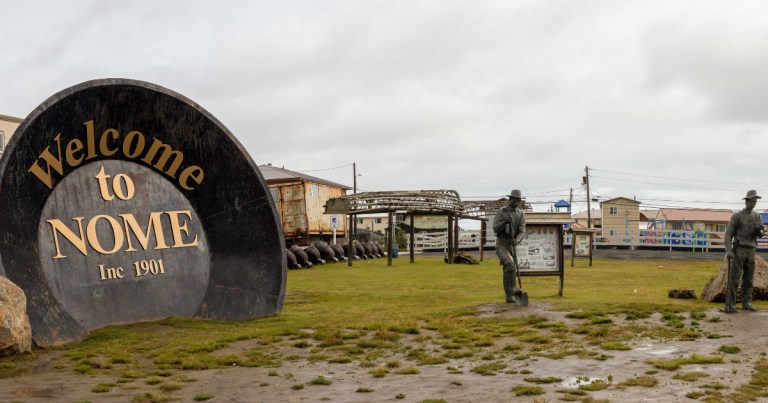
Part of what makes Nome so fascinating is just how difficult it is to reach. It’s a beautiful and rugged part of Alaska, known for its isolation. Unlike most towns in the United States, there are no roads connecting it to the rest of Alaska. The only way in or out is by plane or seasonal barge, which means residents are truly cut off for much of the year.
With a population of just a few thousand people, Nome sits surrounded by miles of open tundra and the icy waters of the Bering Sea.
Nome is also known for its incredibly harsh winters. From November through March, temperatures regularly dip well below zero, sometimes reaching -50 degrees Fahrenheit during extreme cold snaps. This frozen, dark wonderland challenges even the hardiest locals.
The Disappearances That Sparked National Attention

Between the 1960s and early 2000s, Nome became known for a troubling pattern: several residents vanished under unusual circumstances. In total, roughly two dozen cases were reported over several decades, raising concerns both locally and beyond.
At first glance, the disappearances seemed difficult to explain. Some individuals were last seen leaving bars or gatherings, while others simply never returned home. With vast wilderness surrounding the town, searches were often challenging and, in some cases, inconclusive.
These incidents eventually drew wider attention—and speculation grew.
What Investigators Actually Found

While rumors and theories spread quickly, official investigations painted a far less mysterious picture. Authorities found no evidence of a serial killer or organized pattern of violence.
Instead, many of the disappearances were linked to a combination of factors that are, unfortunately, common in remote and extreme environments: alcohol use, exposure to severe cold, and the dangers of navigating unfamiliar terrain in harsh conditions.
In a place like Nome, even a short walk in the wrong direction during winter can quickly become life-threatening. What may seem unusual from the outside often has very real—and very tragic—explanations.
How The Fourth Kind Fueled the Mystery
In 2009, the psychological thriller The Fourth Kind brought international attention to Nome—but not necessarily accurately.
The film, which was marketed as being based on true events, suggested that alien abductions were behind the town’s disappearances. It was marketed as a pseudo-documentary, but the approach blurred the line between fiction and reality, leaving many viewers convinced there was more to the story. The movie centers on the theory of alien abduction as the cause of the disappearances—a conspiracy narrative rather than a documented reality.
In truth, the movie took significant creative liberties, and its claims have been widely debunked. Still, it succeeded in cementing Nome’s reputation as a place of mystery in the public imagination.
Nome’s Other Dark—And Fascinating—History

Long before the headlines about disappearances, Nome had already built a reputation as one of Alaska’s most intense frontier towns.
During the early 1900s gold rush, the town exploded almost overnight, drawing thousands of hopeful prospectors into an unforgiving landscape. With rapid growth came lawlessness, harsh living conditions, and a constant fight for survival in one of the country's most extreme climates.
Nome also played a critical role in one of Alaska’s most legendary survival stories: the 1925 Serum Run to Nome. When a deadly diphtheria outbreak threatened the town, teams of sled dogs and mushers relayed life-saving medicine across more than 600 miles of frozen wilderness. The effort became a symbol of resilience and remains one of the most celebrated moments in Alaska's history.
Why Nome Still Captivates People Today

So what really happened?
According to the FBI’s 2005 investigation, many of the missing persons cases were attributed to a combination of excessive alcohol consumption and exposure to the brutal, unforgiving climate. In other words, people often disappeared while intoxicated and exposed to extreme cold, making it unlikely for them to survive. While some cases remain unresolved, the investigation found no evidence to support the existence of a serial killer or alien involvement.
There’s no denying that Nome has a haunting quality to it all—but it’s not because of the supernatural. This is a place where stories are shaped by survival, where the landscape can be as dangerous as it is beautiful, and where real-life events often feel stranger than fiction.
For those who make the journey, Nome offers something few places can: a glimpse into a world that operates on nature’s terms—and a reminder that sometimes, the truth behind a mystery is just as compelling as the legend itself.
If this eerie story of the Nome disappearances piques your interest, you might know a tiny town in Alaska with an even darker secret.
Subscribe to our newsletter
Get the latest updates and news
Thank you for subscribing!