Everything You Need To Know When Renting an RV for a Road Trip
Ensure a smooth and enjoyable road trip experience with these 10 essential tips for renting an RV.
Considering renting an RV for your next vacation? You might think you know what you’re looking for, but there’s a lot that goes into selecting the perfect RV for a memorable road trip. We love a good road trip here at Only In Your State, and since we have created hundreds of them for literally every single state and nationwide, we are eager to share our expertise. When renting an RV for a road trip, remember these 10 RV rental tips that cover everything you need to know.
1. Don’t Pay for More Space Than You Need
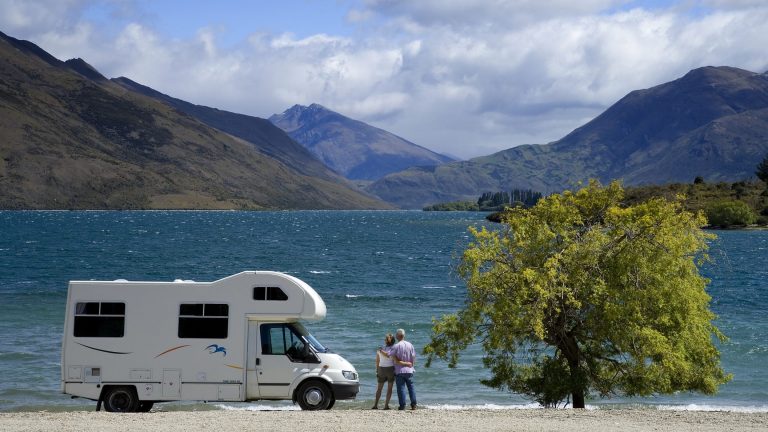
There are three classes of RVs based on their size and amenities: Class A, B, and C. Class A is the largest, resembling a bus-sized motorhome with all the amenities of a home. Class B is camper van-sized; it’s compact, and best for solo travelers or couples due to its small space. Class C RVs are often bigger, coming on a truck chassis with a sleeping area over the cab.
Class A RVs are great for families or longer trips, due to their large areas, but you will need to feel comfortable driving a larger vehicle. Class B RVs are cozy and easier to drive and park, but will likely be too cramped for more than two people. Class C is a nice middle ground for anyone not ready for the full-sized experience.
If you’re planning for a few weeks on the road with the whole family, go ahead and shell out a few extra bucks for that bus-style RV. You’ll appreciate the additional space to stretch out. However, if you’re only planning on a few days of driving with your significant other, consider renting a mid-size motor home instead. Look at models with slide-out room extensions if you truly feel you want a bit more space.
2. Check for Cleanliness Before Driving Off

If the dealer can’t be bothered to clean the interior of the RV before renting it out to another customer, just think of what else they might not be maintaining (hint: the engine). This is yet another reason to rent an RV through a trusted source such as RVshare.
3. Don’t Rent the First One You See

It’s easy to get caught up in the excitement of the trip and fall in love with the first fancy model you see, particularly if you’re a first-time RV renter. But it’s best to shop around online and view several models before committing.
Don't be ruled by your emotions—cost and budgeting are also factors to consider. If you go with the more expensive model, you may need to look for budget road trip ideas instead of more expensive destinations.
4. Plan Your Meals Around Your Cooking Abilities

Meals and cooking are an essential part of RV travel planning. If you’re renting a model with a full kitchen, you’ll have a lot of flexibility when it comes to cooking. But if you’re driving off with nothing but a pantry and a hot plate, your menu will need to look a little different. Also, check for cooking utensils like steak knives, silverware, and pots and pans before you drive off the lot.
5. Check the Fine Print—and Then Check It Again

Renting an RV isn’t like renting a car. You can expect hidden costs like insurance coverage, security deposits, and taxes. But you should also ask about things like included equipment and optional items. For example, some rental agreements include linens and towels, some don’t.
Some rentals have mileage limits; others come with pet fees, generator fees, or cleaning fees. You could end up saving hundreds by going with the same model at a different rental agency that offers a more generous rental agreement.
There are also cancellation policies to consider if an unexpected occurrence prevents you from leaving on your departure date. Some companies offer a partial refund, while some may be nonrefundable.
6. Consider Bringing Your Own Generator

If you’re traveling to state parks or using your RV mainly as a living space out in nature, you’ll want a reliable source of power. A generator is especially important if you plan on boondocking, otherwise known as camping without utility hookups such as electricity or water. Although your RV has a built-in battery, there are limitations on this as a power source.
Even if your campsite advertises electrical hookups, you never know what you’ll find when you arrive. It's always possible that they could be non-functional or unreliable. Sure, your campsite could refund you some cash for the inconvenience… but that won’t change the fact that you’re in the middle of the woods without electricity.
7. Make Sure Fido Can Come Along

Even though you may consider your dog a member of the family, the rental agency probably doesn’t. Make sure your rental agreement allows for pets and double-check for any additional pet-related fees like a deposit or daily add-on fee.
8. Consider That Your Stuff Is Going To Move Around

You might want to think about renting bikes, kayaks, and lawn chairs at your destination if you don’t want to deal with securing them to the RV. Also, think about how small appliances like your coffee maker and laptop will fare on bumpy roads. Make sure the RV has interior storage for things you don’t want to fly all over the place in transit.
9. Finally, Learn How To Drive That Thing

If you’ve never driven anything larger than a sedan, you may be in for a rude awakening the first time you try to park your RV. You'll also need to be aware of height clearance, plan when to refuel, and learn how to back up safely.
One of the biggest RV travel mistakes is departing on your trip without knowing how to handle your RV. Watch online videos to learn how to maneuver a big vehicle and ask your rental agency for pointers. Be sure to practice before your departure to ensure you've got a grasp of the basics before setting off on your cross-country adventure. And lastly, remember that insurance is your friend.
10. Before You Leave The Lot: A Quick RV Rental Checklist

Part of RV road trip preparation is ensuring everything is in working order before you leave for your grand adventure. Be sure to test out all appliances to make sure they work and do a tire inspection to check for damage. You'll also want to ensure you know how to operate your water hookups and understand the sewer system basics of your RV.
You should also inspect the exterior of your RV. If you notice any damage to the vehicle, you should photograph it before leaving. Finally, be sure to confirm you have the necessary emergency equipment with you, such as hazard triangles or flares, a heavy-duty jack, a tire pressure gauge, jumper cables, and a first-aid kit. These should all be considered essential things to have when renting a motorhome.
Lastly, it's a good idea to create a packing list detailing all items needed for the trip, including RV camping essentials, medications, required apparel, and pet supplies. This will help to ensure you don't forget anything before you leave the lot.
Great Resources for Renting an RV for a Road Trip

All set to pick out your motorhome and start packing your bags? Check out RVshare to find the perfect RV near you to rent for your next road trip. A peer-to-peer marketplace like Airbnb, this company connects RV owners and renters, allowing you to affordably rent an RV for your trip. You can also check out RVshare's guide to RVing safely for more RV safety tips and info.
Hopefully, this RV road trip guide helps you feel more confident when renting an RV for a road trip. The United States is filled with stunning RV travel destinations waiting to be explored, from wondrous state parks to breathtaking national parks. No matter where you decide to go, be sure to pay a visit to some of the best road trip stops on your way to your chosen destination. Haven't settled on a route yet? Discover the best states for a road trip for some destination inspiration.
Subscribe to our newsletter
Get the latest updates and news
Thank you for subscribing!