A Tick-borne Illness That Can Be More Severe Than Lyme Disease Is On The Rise In Vermont
Vermont's warmer seasons are ideal for outdoor activities but also pose a risk for tick-borne diseases like babesiosis.
While Vermont is stunning to visit any time of the year, the warmer seasons in the Green Mountain State are ideal for getting outside, watching the flowers bloom, and hitting a hiking trail or two. However, this is also an opportune time for transmitting tick-borne diseases, such as babesiosis.
Babesiosis is a tick-borne illness that has been on the rise in Vermont according to the Centers for Disease Control and Prevention (CDC). Based on research from 2011 to 2019, cases of babesiosis skyrocketed to the point where this tick-borne illness is now classified as endemic. Read to learn more about this tick-borne illness and how you can protect yourself and your family while you enjoy your time in Vermont.
Once spring comes in Vermont, you'll be treated to scenic views such as this one.
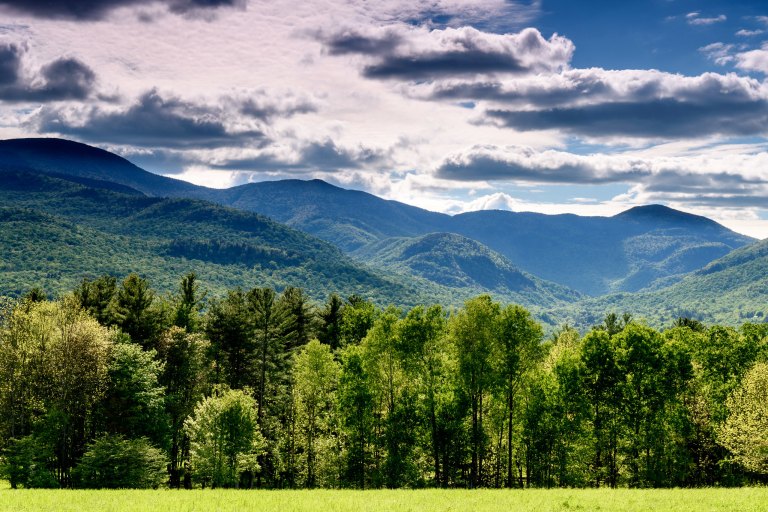
The change in season also means it's ideal to spend time in nature.

However, along with being outdoors, it's critical to be aware of babesiosis, a tick-borne illness that's usually transmitted by deer ticks.
Once someone has been bitten by a tick that is carrying babesiosis, parasites from the bite then attack red blood cells.

As a result of being bitten, symptoms that present usually include fever, chills, aches, pains, and fatigue.

People who are older or immune-compromised tend to be susceptible to serious illnesses such as kidney failure and acute respiratory distress syndrome too.
Although transmission of babesiosis tends to happen from late spring to early fall, it's believed that Vermont is seeing a rise in this tick-borne illness because ticks are showing signs of being able to survive and thrive in the winter.

This means more ticks are around in the warmer months to spread disease.
While babesiosis might present similarly to Lyme disease, there are differences - such as getting a rash if you've been infected with the latter illness.

Lyme disease is more common, however, someone can be diagnosed with both of these tick-borne illnesses.
Although babesiosis is on the rise, there's no reason not to enjoy Vermont in the warmer months. When you venture into nature, remember to cover up, wear long pants, and protect your skin with tick repellent.
If you need ideas of where to explore, take a look at these best spring hikes in Vermont.
Subscribe to our newsletter
Get the latest updates and news
Thank you for subscribing!