Keep Your Eyes Peeled, Thousands of Hummingbirds Are Headed Right for Vermont During Their Migration This Spring
Ruby-throated hummingbirds migrate to Vermont in early May, offering a unique bird-watching experience.
There is something mesmerizing about the tiny hummingbird. Outside of the bird-watching community, the ruby-throated hummingbird is one of just a few birds that captivates all of us. You cannot help but marvel at its elegance and agility. From the impeccable sound of its fluttering wings to its focus and stamina, the hummingbird is a magnificent bird.
As the spring migration of the ruby-throated hummingbird begins, Vermont will become a resting spot for thousands of these tiny creatures during the warmer months. Get ready by setting up a hummingbird feeder in your yard. The best time to see hummingbirds in Vermont begins when the tiny birds return in May.
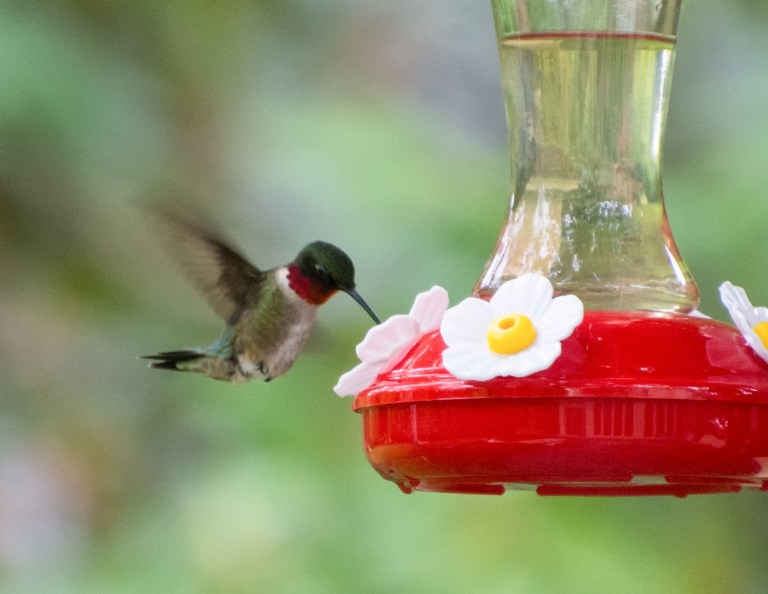
Weighing in at an average of 0.13 ounces (3.8 grams), the male ruby-throated hummingbird is one of the lightest birds in the world. While hovering, the ruby-throated hummingbird beats its wings between 53 and 80 times per second. That's around 3,000 times a minute.
The males are the only ruby-throated hummingbirds to sport that signature tuft of red feathers at their throats. The females have grey or brown plumage in that spot. Knowing the difference makes it even easier to identify the ruby-throated hummingbirds in your feeder.
The ruby-throated hummingbird makes two migrations each year: one in the spring and one in the fall. During the spring migration, hummingbirds seek a breeding location for the summer months. In recent years, hummingbirds have started migrating back to the United States earlier and earlier due to overall warmer weather in North America. So you may spot these beauties even earlier than expected.
Every spring the ruby-throated hummingbirds, who can live as many as nine years, make the long journey from Central America, a trip that spans hundreds of miles, much of it over open water. Interestingly, ruby-throated hummingbirds can fly more than a thousand miles non-stop.

That kind of intense flying requires a lot of energy and fuel. Hummingbirds need to eat almost constantly to maintain those flight speeds, so it's extremely beneficial when you set up a hummingbird feeder to help them on their journey. Once they reach their final destination, the ruby-throated hummingbirds begin to breed for the summer.
If you've been wondering, "When do ruby-throated hummingbirds come back to Vermont," keep an eye out in early May. Males traditionally arrive first, with the females showing up a few weeks later. The ruby-throated hummingbirds generally begin their journey south by the end of September.
To see more hummingbirds this year, consider setting up a hummingbird feeder or planting brightly colored, tubular flowers, such as bee balm, petunias, thistles, and jewelweed. Ruby-throated hummingbirds often eat as much as twice their body weight from flower nectar daily. Insects, including spiders and flies, are also a common part of the tiny birds' diet.
If you already have a hummingbird feeder then you may be catering to some familiar bird friends. Hummingbirds are creatures of habit and often visit the same feeders every year. The best time to leave out hummingbird feeders in Vermont is usually a few weeks before the hummingbirds' arrival, so consider setting yours up toward the middle or end of April.

Maintaining a hummingbird feeder is easy and inexpensive. Fill it with sugar water, a nectar you make by adding one cup of sugar to every four cups of water. Wait until the sugar dissolves in the water to put it in the feeder. Ideally, you'll place the feeder in a shady spot or near hummingbird-friendly flowers if you have them. I have three large trees in my backyard that offer plenty of shade for the birds. I always put the feeders high enough on the trees so cats and other predators can't easily reach them.
Frequent water changes are essential to avoid cloudiness. Earmark a few minutes every few days or so to clean the feeder, too, to avoid mold, which is harmful to birds.
Where is your favorite place - state park, hiking trail, public garden - to see the hummingbirds in Vermont? Let us know by filling out a nomination form.
If you've not started planning your spring fun, pull out your bucket list and add these natural attractions in Vermont. Or, slip on your hiking boots and set off on one of the best spring hikes in Vermont.
Subscribe to our newsletter
Get the latest updates and news
Thank you for subscribing!