The Vibrant Colors Of This Lake In Utah Are A Sight To See
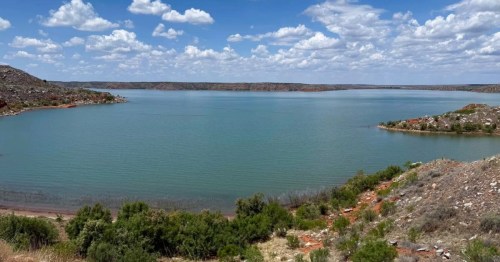
Great Salt Lake in Utah is a unique and historic natural wonder known for its vast beauty, distinct colors, and rich history.
Utah's Great Salt Lake is iconic, and one of the things most out-of-staters recognize about the Beehive State. It provides habitat for millions of birds, is the site of some rich history and beautiful landscape art, and can take your breath away with its vast beauty.
Great Salt Lake is recognized for being the largest saltwater lake in the Western Hemisphere, but it is also full of history and unexpected surprises. In fact, there may be a side to this lake that you've not seen. Did you know that a portion of its water is actually separated into two distinctly different (but equally vibrant) colors? Read on to learn more.
When you think of the Great Salt Lake, you might picture a whimsical sunset viewed from Antelope Island. This is a common and beloved perspective of the lake and for good reason.
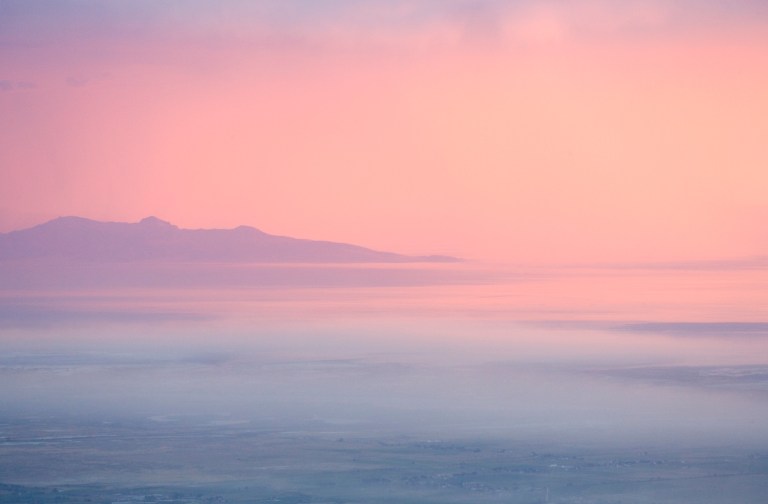
Perhaps you've visited the graceful beauty of the Spiral Jetty. This earthwork spiral sculpture was created in 1970 by the American sculptor Robert Smithson.

You may also be drawn by the rich history of Saltair. This luxurious resort is by far the most successful resort to have been built along the Great Salt Lake's southern shores.

You probably know that the Great Salt Lake, which covers 1,700 square miles, is the largest saltwater lake in the Western Hemisphere, and that it can be seen from space.

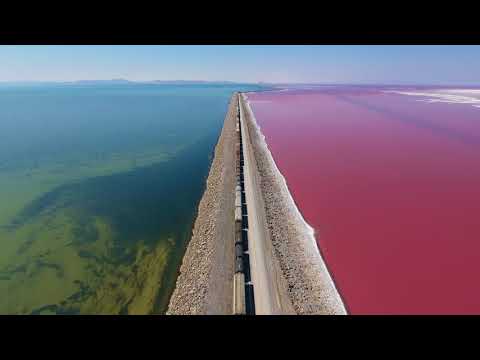
From high above, the lake looks very different than you might think. You can see a distinct line where the Lucin Cutoff cuts through the lake.

This 103-mile rail line was originally built on a trestle, but it was replaced by a causeway in the 1950s, which changed the salt content of the lake on one side. You may be wondering, "but why is the Great Salt Lake two different colors?"
Algae grow in both portions of the lake, but the difference in salt concentrations means that different kinds of algae are present on each side.

On the lake south of the causeway, cyanobacteria create the blue-green tones; on the north side of the causeway, an alga called Dunaliella Salina grows and it creates the rich red colors you see here.
If you've never visited the Great Salt Lake in Utah, you'll undoubtedly want to add this unique and beautiful gem to your travel bucket list.

Check out this video posted on Youtube by Justin McFarland, which shows the two vibrant colors of the lake in the most beautiful way possible:
What do you think of the Great Salt Lake in Utah? Have you ever visited? We'd love to hear about your experiences in the comments below.
Saltair is an iconic attraction on the shores of the Great Salt Lake. Read our feature article about the fascinating history of this historic and illustrious resort.
Subscribe to our newsletter
Get the latest updates and news
Thank you for subscribing!