The 10 Wildest Weather States in America You Need to Know
From tornadoes to blizzards, discover the wildest weather states in America and what makes each one uniquely extreme year-round.
Throughout my life, I have witnessed many extreme weather events, including blizzards, hurricanes, and nor'easters, and have even been forced to evacuate a few times before a hurricane made landfall. For those living in one of the wildest weather states in America, certain times of the year can be daunting, whether it's summer for hurricanes, thunderstorms, and monsoons, or winter, when residents may experience severe cold, blizzards, and icy roads.
Extreme weather can cause dangerous or even deadly conditions, costly property damage, and destruction. Do you live in a state with severe weather? Here are the 10 most extreme weather states in the USA:
1. Texas
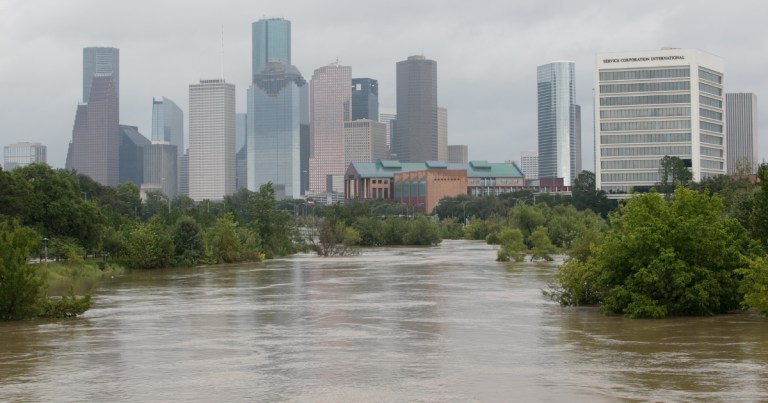
The Lone Star State is by far one of the worst states for weather and has the most variety of extreme weather conditions in the United States. It leads the nation in tornadoes, hail, flash floods, and multi-billion-dollar disasters. Landfall hurricanes, historic heat, extreme drought, wildfires, and occasional crippling winter storms all occur in Texas.
My husband, Tony Merriman, is a meteorologist and started his career forecasting hurricanes, marine weather, supercells, tornadoes, and more for the National Weather Service in Corpus Christi, Texas. While living in Texas for a number of years, he witnessed his fair share of extreme weather. About the Lone Star State, he says, "What makes Texas so unique is a combination of its size and location between the warm and humid Gulf of Mexico air and dry cooler air from the Rocky Mountains. Where the two air masses collide is a focus for thunderstorms that can and often produce tornadoes."
To further prepare for severe weather, reference the Texas DOT website.
2. Florida

Florida has the most landfall hurricanes of any state. Its location along the southeastern U.S. coast makes it vulnerable to hurricanes from both the Atlantic Ocean and the Gulf of Mexico. Its unique climate has also given it the distinction of being the "lightning capital of the U.S." (although that title has been passed to the next state on this list, Oklahoma, as of 2026).
Sea breezes form almost daily on both the western and eastern coasts of Florida. These breezes often collide over central Florida, producing thunderstorms with frequent lightning and torrential downpours. These heavy rainstorms can easily lead to flooding. Visit the Florida Disaster website for current weather conditions and disaster preparedness.
3. Oklahoma

Similar to Texas, Oklahoma's proximity to the warm, humid Gulf of Mexico air and the cool, dry air from the Rockies makes it a prime location for these two air masses to collide and create wild weather. Oklahoma is home to the widest tornado on record at 2.6 miles, which happened in El Reno on May 31, 2013, and has among the highest tornado rates per square mile. Oklahoma is also prone to large hail, damaging winds, flash floods, and extreme temperature swings between hot and cold. For severe weather preparedness, visit Oklahoma.gov.
4. California

California is home to extremes. On the one hand, there may be large, catastrophic wildfires, drought, and heatwaves. Then, on the other end of the spectrum, atmospheric rivers can cause catastrophic flooding, rockslides, and heavy snow on the mountains. The combination of the state’s size and location makes it vulnerable to these extreme events. Both the Sonoran and Mojave Deserts are located in southern California, and the combination of these arid deserts and elevations below sea level allows for record heat. Home to the hottest temperature officially recorded on Earth, Furnace Creek Ranch in Death Valley recorded a scorching high temperature of 134 degrees Fahrenheit on July 10, 1913.
And then there's the California coastline, with weather heavily influenced by the Pacific Ocean. "Atmospheric rivers are long, narrow plumes of moisture that get transported out of the tropics and into the western U.S. These plumes can extend thousands of miles and often bring torrential rainfall or snow whenever they make landfall," says Merriman. Check out the Storm Season Safety guidance from the California Governor's Office of Emergency Services.
Although California is one of the top states with the worst weather, it also experiences the most pleasant climates in the country, especially in cities like San Diego, Los Angeles, and Santa Barbara in SoCal.
5. Louisiana

Landfall hurricanes are a huge threat to Louisiana, just as they do for Texas and Florida. During a hurricane, a storm surge can cause extreme flooding, which is what happened in New Orleans during Hurricane Katrina, one of the deadliest hurricanes in U.S. history. In addition to hurricanes, Louisiana can experience its fair share of tornadoes, extreme heat, torrential rainfall, and thunderstorms, with flooding as a great risk. Visit the American Red Cross website for tips on preparing for extreme weather in Louisiana.
6. Colorado

Colorado has a unique geography, with the Rocky Mountains in the west and the Plains in the east, which helps create the recipe for just about any type of weather. Colorado can experience heavy snow and blizzards in the spring, which are sometimes followed by severe storms with giant hail and tornadoes within a few weeks. Some of these storms can also produce heavy rain, leading to flash flooding. Destructive wildfires are also a threat, especially during the summer months when vegetation is dry and strong winds develop. Colorado is home to a wide variety of wild and extreme weather, so prepare yourself by checking the National Weather Service website for any advisories.
7. Kansas

According to NOAA (the National Oceanic and Atmospheric Administration), Kansas ranks second in the total number of tornadoes reported since 1950, just behind Texas. Merriman states, "Its location is smack dab in the middle of where severe weather ingredients often combine to create severe thunderstorms that not only produce tornadoes, but also produce damaging winds and giant hail."
Although primarily known for its tornado activity, winter storms and blizzards can also impact the state. Visit the Kansas DOT website for safety information.
8. Alabama

Part of “Dixie Alley,” along with Mississippi, Louisiana, Tennessee, Arkansas, and Georgia, Alabama experiences numerous tornadoes, a frequent threat, especially in the spring. Severe thunderstorms are also common and can stall over the state, producing torrential rainfall and flash flooding in low-lying areas.
With a coastline along the Gulf of Mexico, Alabama is also vulnerable to landfalling hurricanes and tropical storms, which can cause flooding, high winds, and coastal storm surges. The Gulf can also influence the extreme heat and humidity in the summer, creating dangerous conditions for residents. Keep yourself prepared and safe by referencing the Ready Alabama website.
9. North Dakota

Another wild weather state where my husband lived and also worked for the NWS, North Dakota's winters are long, with sub-zero temperatures and extreme wind chill that makes the air somehow feel even colder. The coldest temperature ever recorded in North Dakota was -60 degrees Fahrenheit in 1936. With such extreme Arctic temperatures, conditions such as hypothermia and frostbite are all too common and can occur within minutes of exposure. In addition to subzero temperatures, blizzards with high winds and heavy snowfall are common in winter and can cause whiteouts, leading to dangerous driving conditions. During the summer months, tornadoes and severe thunderstorms that can produce hail occur frequently. Visit the North Dakota DOT website for weather resources.
10. New Hampshire

While New Hampshire experiences some wild winter weather, with blizzards, heavy snowfall, and ice storms, it's also home to Mount Washington. As the tallest peak in the northeast at 6,288 feet, Mount Washington holds the record for the highest wind speed ever recorded in North America at 231 mph. Appropriately referred to as "Big Wind Day," this record-breaking wind speed happened on April 12, 1934. The mountain summit is home to the Mount Washington Observatory, where the record wind speed was recorded. Visit ReadyNH.gov for winter preparedness tips.
Safety Tips for the Wildest Weather States in America
Safety should be top of mind whenever we are warned of a storm. Check the National Weather Service website for the most up-to-date forecasts across the country, the NOAA Weather Radio, and your local news for a more localized forecast, and heed any evacuation and safety warnings. Have an evacuation or shelter-in-place plan ready, and make sure you have enough supplies, including a first aid kit, bottled water, non-perishable food, a flashlight, any medications you'll need, and a portable charging bank to recharge your phone. You can also check out the NWS Severe Weather Preparedness page as well as the FEMA website.
From states with tornadoes, hurricanes, snow, and ice storms to extreme wind conditions, the US experiences weather extremes from coast to coast. Do you live in one of the wildest weather states in the U.S.?
Subscribe to our newsletter
Get the latest updates and news
Thank you for subscribing!