Chasing Storms: Understanding Natural Hazards and Disasters Across the U.S.
Navigating the risks: essential insights on natural hazards, their impacts, and strategies for effective disaster preparedness.
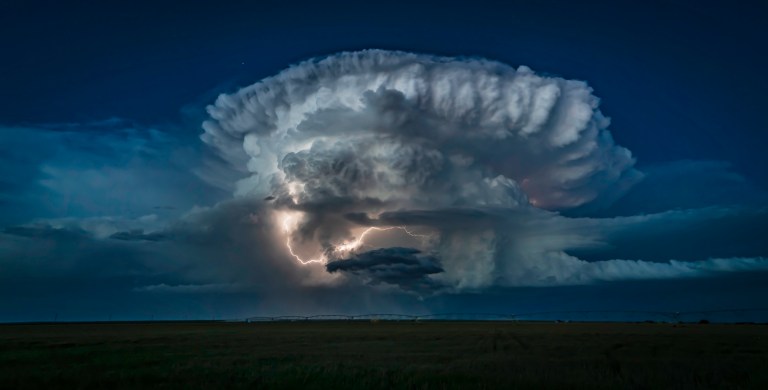
In a country as vast and diverse as the United States, natural hazards are inevitable. From hurricanes and earthquakes to wildfires and tornadoes, these phenomena can quickly escalate into disasters that profoundly impact communities and individuals. In this article, we’ll explore the distinctions between natural hazards and natural disasters, discuss the causes and consequences of these events, and provide insights on preparing effectively.
If you want an audio adventure to accompany this article, check out our recent States of Discovery podcast episode! We interview a local storm chaser who shares her tips and tricks for storm preparedness.
Defining Natural Hazards vs. Natural Disasters
To start, it’s essential to differentiate between "natural hazards" and "natural disasters." A natural hazard refers to any natural event that has the potential to cause harm, such as a hurricane swirling over the ocean or an earthquake on a fault line. These hazards become natural disasters when they result in significant damage, loss of life, or displacement of communities. For example, Hurricane Katrina was a natural hazard when it formed in the Gulf of Mexico but became a disaster when it made landfall and devastated New Orleans.
Understanding this distinction is crucial because it emphasizes the importance of preparedness. While we cannot prevent natural hazards, we can take steps to mitigate their impacts and reduce the risk of turning hazards into disasters.

Common Natural Hazards in the U.S.
The U.S. is home to various natural hazards, each with unique characteristics and risks. Here are some of the most common:
- 1.Hurricanes: Occurring mainly along the Atlantic and Gulf Coasts, hurricanes can cause catastrophic damage through high winds, heavy rainfall, and storm surges. Notable examples include Hurricane Katrina (2005) and Hurricane Sandy (2012), which left long-lasting scars on affected regions.
- 2.Earthquakes: Particularly prevalent on the West Coast, earthquakes are caused by the shifting of tectonic plates. The San Andreas Fault is a well-known example that has the potential to produce devastating quakes. The 1906 San Francisco earthquake is a stark reminder of the destruction these events can cause.
- 3.Wildfires: The West is particularly susceptible to wildfires, especially during hot and dry seasons. These fires can spread rapidly, destroying homes, wildlife, and natural landscapes, as seen in California’s frequent fire seasons.
- 4.Tornadoes: Common in the central U.S., tornadoes are formed by severe thunderstorms and can cause intense destruction in minutes. The Great Plains are known for their "Tornado Alley," where these violent storms are most frequent.
- 5.Floods: Often resulting from heavy rainfall or storm surges, floods can occur anywhere in the U.S., leading to significant property damage and loss of life.

Preparing for Natural Hazards
Storm preparedness is crucial for minimizing the effects of natural disasters. Here are some essential steps individuals can take:
- Create an Emergency Kit: Include basic supplies such as food, water, medications, flashlights, and first aid supplies. Make sure it is easily accessible.
- Develop a Family Communication Plan: Ensure all family members know how to contact each other during a disaster and have designated meeting places.
- Know Your Evacuation Routes: Familiarize yourself with local emergency plans and evacuation routes. Knowing the best ways to exit your area can save precious time during an emergency.
- Secure Your Home: For hazards like earthquakes, securing heavy furniture to walls and ensuring that your home meets local building codes can significantly minimize damage.
The Role of Community and Government
Preparedness is not just an individual responsibility; communities and governments play vital roles in disaster response and recovery. Local agencies, such as FEMA, provide resources and guidelines for individuals and communities to prepare effectively. Communities can collaborate to create comprehensive disaster plans considering local hazards and resources.
When Disaster Strikes: Expert Insights
In addition to personal preparedness, seeking expert advice can help individuals and communities better understand specific hazards. For instance, local firefighters and lifeguards can offer critical information on rip currents and beach safety, while meteorologists can provide insights into tornado preparedness. In our podcast episode, we hear from both a local lifeguard and a professional stormchaser!
Building Resilience Against Nature’s Fury
Understanding natural hazards and being prepared is crucial for safeguarding lives and minimizing damage when calamities strike. By recognizing the specific risks in their area—whether hurricanes, earthquakes, or wildfires—communities can enhance their resilience and respond more effectively. Preparedness not only strengthens the safety of individuals but also fosters collective resilience, ensuring that communities can recover more swiftly from adversity.
As you think about the potential natural hazards in your area, take action today: research the risks, develop a comprehensive disaster plan, and ensure your family and community are well-prepared. Your proactive efforts can make all the difference when facing nature’s most challenging events.
Subscribe to our newsletter
Get the latest updates and news
Thank you for subscribing!