Here Are Your Chances of a Shark Attack in the U.S.
Shark attacks are rare and often survivable, with Florida being the most common location for such incidents.
There’s no doubt about it: sharks get a bad reputation, especially in coastal states like Florida, California, and Hawaii. Contrary to popular belief, shark attacks are quite uncommon, and with help from our friends over at FloridaPanhandle.com, we’re here to break down the shark attack statistics in the USA right in time for Shark Week, a Discovery Channel celebration held each month in July.
Where Are Shark Attacks Most Common?
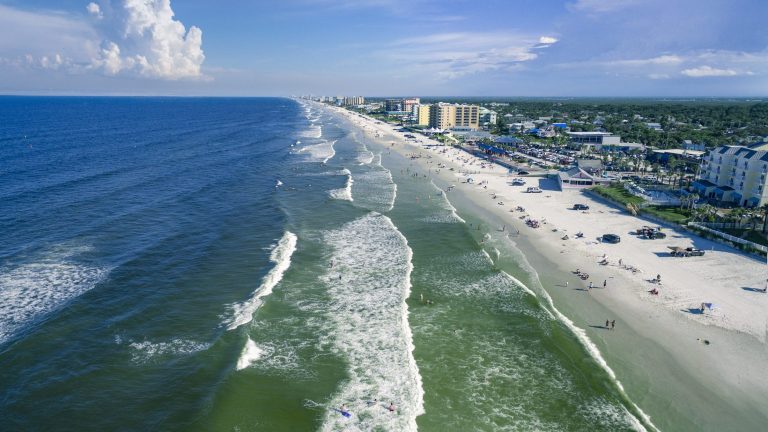
If you're wondering where shark attacks happen most, the most common shark attack location in the world is, as you may have guessed, Florida. In particular, New Smyrna Beach, Florida, is known as the "shark bite capital of the world." Other common shark-attack locations include Bondi Beach in Australia, Second Beach in South Africa, Tiger Beach in the Bahamas, and Oreti Beach in New Zealand. The other most common U.S. states for shark attacks are Hawaii, California, North Carolina, and South Carolina. There have also been historic shark attacks in New Jersey that inspired the movie "Jaws."
Chances of Being Attacked

Shark attacks are most common in the afternoons, on Saturdays, and in the month of July, though this is likely related to the sheer number of beachgoers enjoying the coast at those times. On average, there are about 100 unprovoked shark attacks reported worldwide annually.
“When you look at the aggregated data, it is quickly apparent that the chances of being attacked by a shark are nearly zero,” says David Angotti (Founder, FloridaPanhandle.com). “For people that live in the United States, you are approximately 50 times more likely to die by a lightning strike and ten times more likely to die by a firework accident compared to a shark attack.”
You have a one in 218 chance of dying from a fall and a one in 3.7 million chance of being killed by a shark, according to National Geographic. As you can see by this data, the chances of a shark attack in the US are extremely low.
Chances of Surviving a Shark Attack
A survey of more than 1,000 adults in the United States asked, “If forced to choose [a tragedy], would you rather be attacked by a shark, have an automobile accident on the interstate at 70 MPH, be attacked by a bear, or fall out of a third-story window?” Only 10 percent would choose to be attacked by a shark, even though there is an 89.4 percent shark attack survival rate.
So, if shark attacks aren’t as common or deadly as we assume, what is the deadliest animal to humans? The answer might surprise you: it’s the annoying, but typically not seen as dangerous, mosquito.
How You Can Prevent a Shark Attack

While you have a relatively low chance of being attacked by a shark, there are precautions everyone should take while swimming in the ocean. First, you should never swim alone, in murky water, or in locations where sharks are known to be present. Make sure to swim in a group and be aware of your surroundings at all times when swimming in the ocean.
You should also avoid swimming where shark sighting signs are posted, as well as at dawn or dusk when sharks are most active. Wearing shiny jewelry or clothing that could be mistaken for fish scales is also a big no-no. Surfboards and wetsuits that may confuse a shark with a seal. However, if you see a shark, do not panic, but back away slowly and calmly. Remember, shark attacks are extremely rare.
Why Shark Attacks Happen (And Why They’re Rare)
Shark attacks are typically unprovoked and happen mainly due to a shark's curiosity or confusion. These types of attacks are typically slow, unlike when a shark is actively hunting for food, approaching its prey at speeds of up to 30 MPH and attacking from below.
About the Florida Panhandle Shark Attack Study

Sharks are undoubtedly misunderstood, and the study done by FloridaPanhandle.com proves it.
“What started out as a fun research project, quickly became a passion project! During our research, we learned that in a typical year less than ten humans are killed by sharks. Contrast that with the astronomical figure of 100 million sharks killed by humans,” states David Angotti (Founder, FloridaPanhandle.com). “We believe that this educational shark attack statistics interactive will help the general public realize that shark attacks are incredibly rare and normally survivable. Based on the data, we should not fear the sharks — rather, we should protect them.”
Did you learn something new from this Shark Attack Data Interactive Study from the folks over at Florida Panhandle.com? We did — and will absolutely be keeping this information in mind on our next beach trip!
If you have a fascination with sharks, you can find shark teeth along this beach trail in Maryland or enjoy safe, hands-on shark encounters at the McWane Science Center in Alabama.
Subscribe to our newsletter
Get the latest updates and news
Thank you for subscribing!