Keep Your Eyes Peeled, Thousands of Hummingbirds Are Headed Right for Oregon During Their Migration This Spring
Oregon hosts seven species of hummingbirds, with Rufous hummingbirds being the most plentiful during their spring migration.
Oregon is home to seven species of hummingbirds: Anna's hummingbirds, which live in Oregon all year long, and Rufous, Allen's, Black-chinned, Costa's, Broad-tailed, and Calliope hummingbirds. The six migratory species that move down south for the winter are all coming back soon, and there's one species in particular that you'll see in droves. That's right, it's time to prepare your best hummingbird feeders for the thousands of beautiful birds heading our way. If you're wondering, "When do hummingbirds come back to Oregon?" -- read on!
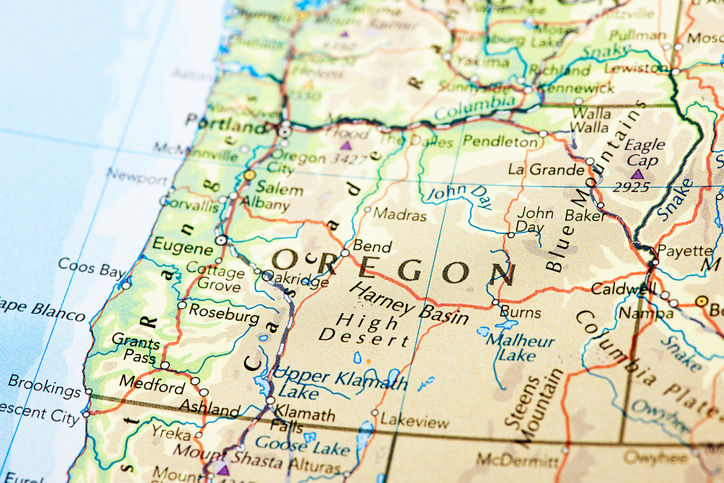
Hummingbirds are found all over Oregon, from remote mountains to our city parks and backyards.
While several species live here, at least for part of the year, the Rufous hummingbird is the most plentiful.
These pretty little birds typically arrive in Oregon in March and early April.

Visit www.hummingbird-guide.com to see their current migration pattern! Interestingly, hummingbirds are starting to migrate back to the United States earlier and earlier in the spring due to the overall warming of the climate. Climate and food accessibility are the two motivating factors when it comes to hummingbird migration.
Have your camera ready because they're definitely photogenic little creatures! You'll want a fast shutter speed if you want to capture their movements without any motion blur.

The males have a glossy, reddish-orange throat patch; females have a white-speckled patch at their throats. Each different species of hummingbird has its own unique coloring and plumage, making it like a rainbow of tiny, stunning birds when the season comes around.
These tiny birds are just eight centimeters long, and the largest ones weigh just over 1.5 ounces. Did you know that hummingbirds are the smallest birds on the planet?

They are tiny but tough -- hummingbirds fly more than 2,000 miles during their migration. In fact, they can fly up to 23 miles in one day if needed. That explains why their wings are moving so quickly!
They come to Oregon during breeding season and build their nests in conifers and shrubs.

Rufous hummingbirds might be small, but they're fearless. And surprisingly territorial!

They're often seen chasing other birds away from feeders, and they can be fiercely territorial. It probably helps that they can zoom away from danger quickly.
Hummingbirds need to consume one-third to one-half of their body weight in nectar every day to keep up with their incredibly rapid metabolisms.

They love nectar-producing flowers, so if you want to see them in your yard, consider planting different varieties that bloom throughout the year; it's easy to provide your teeny little guests with some tasty food. Hummingbirds are also drawn to tubular flowers that perfectly fit their long beaks.
Another good way to bring hummingbirds into your yard is by installing a bird feeder on a tree branch.

Hummingbirds (like butterflies) are particularly drawn to the color red. But don't put any dye in the food itself. While it hasn't been proven that food dye is bad for hummingbirds, it's safest to keep the feeder filled with whatever is closest to their natural food source, in this case, that means sugar water which mimics nectar.
You can buy commercially prepared nectar or make your own. It's very easy to make your own hummingbird food. I'll bet you have both of the ingredients in your kitchen right now!

To make your own nectar, mix together one cup of sugar and four cups of water. Microwave the mixture for 30 seconds to keep it free from mold. Once it's cooled, pour it into a clean feeder and change it out every few days to ensure that it's fresh and safe for the birds.
Hummingbirds have a remarkable memory and have been known to visit the same feeding sources year after year. If you fed these cuties in the fall, don't be surprised when they come knocking in the spring! If you keep your feeders full, it won't take long until you have your very own charm. Yes, a group of hummingbirds is called a charm!
If you have a lot of hummingbirds in your area, hang several feeders. Just place them far apart so the birds won't fight over them.
Now that we've answered the question, "When is the best time to see Hummingbirds in Oregon?" it's time to get ready for their arrival! Do you have a hummingbird feeder in your yard? We'd love to see your hummingbird photos! And if you love birding like we do, check out these delightful backyard birding flashcards from REI.
For more on this year's hummingbird migration, check out Hummingbird Central's website. They have an interactive map where you can watch the 2025 hummingbird migration. And to learn more about the species of hummingbirds found in Oregon. You can also hear a sound clip of their calls on the Oregon Department of Fish & Wildlife's website.
And for more springtime fun, definitely plan a visit to this beautiful dahlia farm in Oregon.
Subscribe to our newsletter
Get the latest updates and news
Thank you for subscribing!