North Dakota Has A Unique Experimental Forest That You Can Explore Yourself
Denbigh Experimental Forest in North Dakota was established to test tree survival and create shelterbelts, now serving as a recreation area.
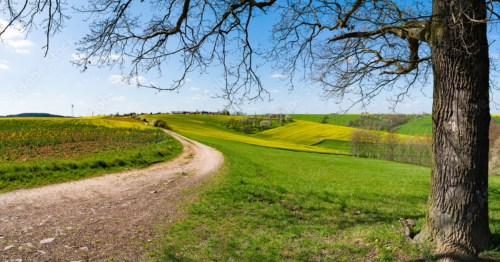
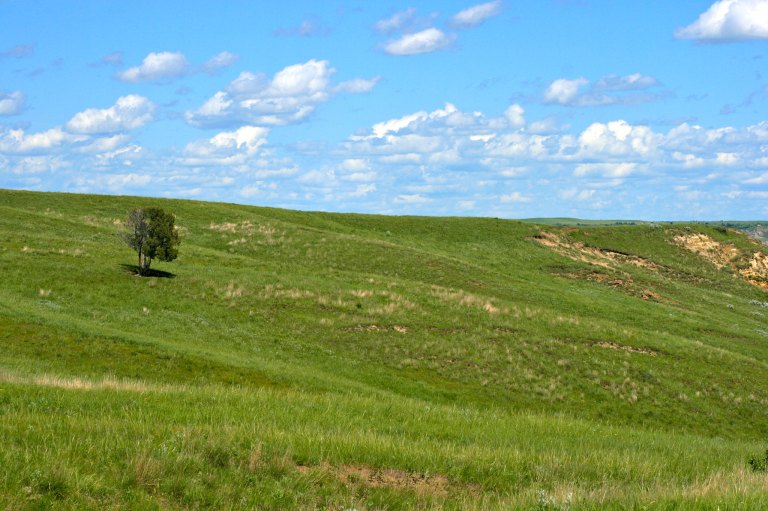
North Dakota isn't known for having dense forests, it's known for having vast expanses of treeless prairie. Certain areas of the state have been known as "lone tree" because they may have just a single tree for miles. Early settlers built houses out of sod instead of logs. Some people like to joke that North Dakota's official state tree is the telephone pole. While there are some forests in the state, like the ones up north in the Turtle Mountains, it's hard to find true forests elsewhere. Interestingly, you'll find an experimental forest in North Dakota that set out to help the treeless landscape by seeing what trees could survive here. More interesting yet - you can visit it yourself.
Much of North Dakota is covered with prairie and agricultural land, seldom a tree in sight. This was especially true during the 1930s, when the Dust Bowl was hitting North Dakotan farmers hard and the realization that the overworked farmlands needed protection from the wind while the topsoil recovered through better farming practices.
In 1931, a plan was created to try and help build shelterbelts throughout the midwest to buffer the strong winds we all know from states like North Dakota. An experimental forest was conceived to see what trees would survive here and what was the best way to plant and establish shelterbelts.

Thus, the Denbigh Experimental Forest, near Towner, North Dakota, was established. Over 40 tree species were planted here, from ponderosa pines to Rocky Mountain junipers in the over 600 acres it takes up.

The experiment had bigger plans - to create a giant national shelterbelt of sorts that would take a space of over 480,000 acres - but, eventually, it was left as-is, the best trees for smaller North Dakota shelterbelts were determined, and now it's a recreation area with trails, camping, and more.

You can visit the Denbigh National Forest and hit the trails or spend an entire weekend camping. There are no designated campsites, but you can camp wherever you'd like except at the trailheads.

Birdwatchers love the Denbigh Experimental Forest for having over 200 species of birds, including birds like the northern saw-whet owl and bald eagles. Animals such as deer, elk, and even moose have also been spotted here.

Another fun fact about Denbigh: it produces over a million seedlings every year that are planted in new shelterbelts across the midwest to this day. Though the original plan of a huge forest didn't come to fruition, it has still helped established protection and better farming practices for North Dakota agriculture.

You can learn more about the Denbigh Experimental Forest at this website. Have you ever heard of it before, or visited it? We all know about shelterbelts, but it's interesting to see where the government attempted to fine-tune creating them to prevent another Dust Bowl from happening.
Subscribe to our newsletter
Get the latest updates and news
Thank you for subscribing!