Your Ultimate Guide to State Parks In Hawaii
A complete guide to Hawaii’s most scenic state parks, including must-see highlights and tips for visiting.
The State of Hawaii is undoubtedly home to some of the most breathtaking natural scenery in all of America. Fortunately, much of it has been preserved in several national, state, and local parks. Some of Hawaii's state parks, in fact, are simply stunning, and whenever you're on the islands, you should not pass up a chance to visit these incredible natural and historical places – we think they're the best state parks in Hawaii.
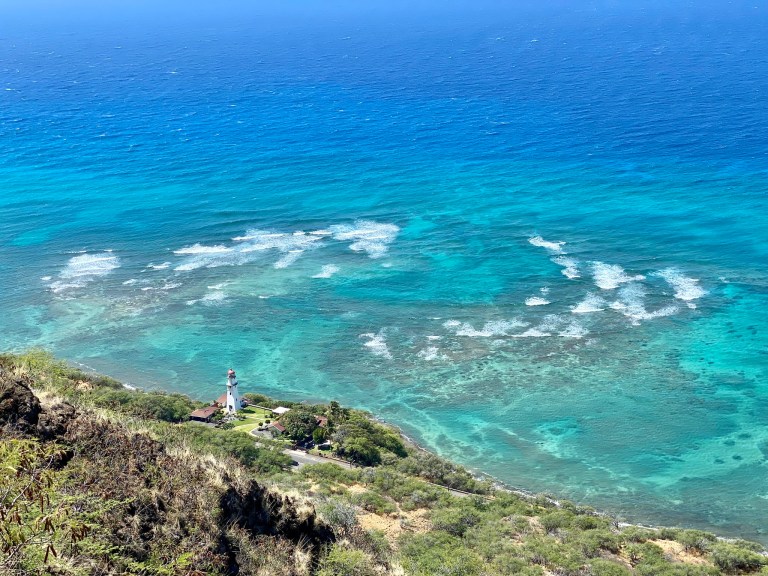
1. Diamond Head State Monument
- Location: Honolulu, Oahu
- Wow Factor: Dramatic volcanic crater offering sweeping views over Waikiki, Honolulu, Oahu, and the Pacific Ocean.
- Need To Know: Free entrance for Hawaii residents with ID. Non-residents must pay a $5 per-person entry fee. There is also a $ 10-per-vehicle parking fee for non-residents. Non-resident reservations are required for entry.
Diamond Head State Monument is the most visited state park in Hawai’i, thanks in large part to its proximity to Waikiki and Honolulu. The park is home to the iconic Diamond Head Crater and offers excellent hiking, historical sites, and incredible views over the Pacific to Molokai and back over Oahu and the urban coastline.
2. Hapuna Beach State Recreation Area

- Location: Waimea, Big Island
- Wow Factor: Replace this text with the correct information.
- Need To Know: Free entrance for Hawaii residents with ID. Non-residents must pay $5 per person entry fee. There is also a $ 10-per-vehicle parking fee for non-residents.
Hapuna Beach State Recreation Area is home to what is generally considered the best beach on the Big Island. It’s even been called the best beach in the USA on more than one occasion. With its sweeping views of the Pacific and imposing Mauna Kea volcano, this north Kona/Kohala Coast park is the perfect place to spend a day swimming, body surfing, and whale watching.
3. Makena State Park

Makena State Park is home to not just one, but three, amazing beaches – Big Beach, Little Beach, and One’uli Black Sand Beach – all curving around the base of Pu’u Ola’i cinder cone on Maui’s southwest coast. This park is ideal for a day of picnicking, body surfing, and exploring. The shore break can be rough at these beaches, so always use caution when in the water.
4. ‘Akaka Falls State Park

- Location: Honomu, Big Island
- Wow Factor: Tropical rain forest setting; towering 442-foot waterfall.
- Need To Know: Free entrance for Hawaii residents with ID. Non-residents must pay $5 per person entry fee. There is also a $ 10-per-vehicle parking fee for non-residents.
‘Akaka Falls State Park does not offer much in terms of exploring or activities – just a short, paved hiking trail loop that’s less than half a mile in length. But the payoff is huge. You’ll pass through lush rain forest, over small streams, and even a small waterfall before you get to the highlight of the walk: the incredible 442-foot ‘Akaka Falls. You will encounter stairs and elevation gain on the trail.
5. Polihale State Park

- Location: Waimea, Kauai
- Wow Factor: Sweeping white sand beach; gorgeous sunsets; excellent views of the Na Pali Coast.
- Need To Know: There is no entrance fee. However, permits are required to camp. The camping fees are $20 per night for residents and $30 per night for non-residents.
Polihale State Park is a remote state park on Kauai, located at the western terminus of the Na Pali Coast. The sea cliffs rise dramatically from the north end of this broad, golden beach. The park is accessible only by a rugged, unimproved sand and dirt road, which means it’s never too crowded and perfect for a weekend of beachfront camping.
6. Ahupuaʻa ʻO Kahana State Park

- Location: Ka’a’awa, Oahu
- Wow Factor: Important cultural, archaeological, and historical sites in a lush windward setting.
- Need To Know: There is no entrance fee. However, permits are required to camp. The camping fees are $20 per night for residents and $30 per night for non-residents.
Formerly known as Kahana Valley State Park, Ahupuaʻa ʻO Kahana State Park is a living park. Several families live on the ahupuaʻa - land division – contained within the park, making it the only public ahupuaʻa in the state of Hawaii. A camping trip to this incredible park on Oahu’s windward shore will immerse you in traditional Hawaiian culture while letting you enjoy the lush beauty of this part of the island.
7. Koke’e State Park

- Location: Hanapepe, Kaua’i
- Wow Factor: Lush tropical rain forest; deep valleys and canyons; towering waterfalls.
- Need To Know: Free entrance for Hawaii residents with ID. Non-residents must pay $5 per person entry fee. There is also a $ 10-per-vehicle parking fee for non-residents. Separate reservations and fees are required for camping.
Koke’e State Park is often overshadowed by its more accessible neighbor, Waimea Canyon State Park. But visitors who don’t continue to the drive to the amphitheater at the head of the Kalalau Valley are missing out on a spectacular nature experience, as well as one of the best campgrounds in the Hawaii State Parks system. From this park, you can hike into the valley or along the rim of Waimea Canyon. If you don’t wish to camp in a tent, camper cabin rentals are also available at Koke’e.
8. Wainapanapa State Park

- Location: Hana, Maui
- Wow Factor: Rugged shoreline; black sand beach; sea caves; lava tube; blowhole.
- Need To Know: Free entrance for Hawaii residents with ID. Non-residents must pay $5 per person entry fee. There is also a $ 10-per-vehicle parking fee for non-residents. Non-resident reservations are required for entry. Separate reservations and fees are required for camping.
Wainapanapa State Park is located just outside of Hana along the Hana Highway. It’s home to Maui’s best-known black sand beach, and it’s a wonderful place to camp and explore. In addition to traditional campsites and rental cabins, Wainapanapa State Park offers the only van camping available in the Hawaii State Parks system. Visitors who wish to camp in their van at Wainapanapa must make reservations on the Division of State Parks website and use caution when driving the narrow, curvy Road to Hana. But also be sure to enjoy the journey, stopping at the waysides, as it’s as spectacular as the destination.
9. Ha’ena State Park

- Location: Kapa’a, Kaua’i
- Wow Factor: Gorgeous white sand beaches; waterfalls; stunning sea cliffs; Kalalau Trail trailhead.
- Need To Know: Free entrance for Hawaii residents with ID. Non-residents must pay $5 per person entry fee. There is also a $ 10-per-vehicle parking fee for non-residents. Non-resident reservations are required for entry. Separate reservations and fees are required for camping.
Ha’ena State Park is located on the north shore of Kauai, and in addition to being a fantastic park in its own right, it serves as a gateway to both the Na Pali Coast State Wilderness Park and the famous Kalalau Trail. This means that you’ll find some of the best hiking in the entire Aloha State, starting from Ha’ena State Park. Hike to beaches, waterfalls, and incredible views. Separate permits are required to hike the Kalalau Trail beyond a certain point and for overnight stays in Na Pali Coast State Wilderness Park. Be sure to check the Division of State Parks website for conditions and regulations (which change quite often) before you go.
10. Iao Valley State Monument

- Location: Wailuku, Maui
- Wow Factor: Verdant valley, hiking trails, tropical rain forest, rich culture, and history.
- Need To Know: Free entrance for Hawaii residents with ID. Non-residents must pay $5 per person entry fee. There is also a $ 10-per-vehicle parking fee for non-residents. Non-resident reservations are required for entry.
Iao Valley is both a historic site and a lush, dramatic setting. The Iao Needle towers over this narrow valley in the West Maui Mountains that was the site of a ferocious battle in Kamehameha’s attempt to consolidate the Hawaiian Islands into a single kingdom. Walk the trails and paved footpaths in this stunning park, read the placards, and learn about the fascinating natural and human history of this place.
11. Ka’ena Point State Park

- Location: Wai'anae, Oahu
- Wow Factor: Rugged, remote North Shore coastline; hiking; broad, white sand beach.
- Need To Know: There is no fee to enter the park on foot. Vehicle entry is only available to Oahu residents with vehicle permits and a gate code.
This park is located on a remote peninsula in the far northwestern part of Oahu, separating the leeward shore from the North Shore. For non-residents of Oahu or Oahu residents without a vehicle permit, the park is accessible only on foot. The rugged coastline and remote beach are beautiful, but the hike includes some elevation changes and is quite exposed. There is no drinking water available in the park, so be sure to bring plenty of water and sunscreen. The effort is well worth it!
12. Waimea Canyon State Park

- Location: Waimea, Kauai
- Wow Factor: Incredible canyon, waterfalls, hiking trails, tropical rain forest.
- Need To Know: Free entrance for Hawaii residents with ID. Non-residents must pay $5 per person entry fee. There is also a $ 10-per-vehicle parking fee for non-residents.
This park encompasses part of the 14-mile-long and one-mile-wide Waimea Canyon on Kauai. This 3,600-foot deep gorge is often called the Grand Canyon of the Pacific, and it’s similarly dramatic. In the park, you can hike the canyon rim and even descend into the canyon itself, which is home to one of the wettest places on Earth. While this means that you could very well get rained on during your hike, it also means you’ll see amazing waterfalls along the way.
13. Ka’u Forest Reserve

- Location: Ka’u District, Big Island
- Wow Factor: Lush native forest on the shoulder of the world’s largest active volcano.
- Need To Know: There are no trails, and no camping is permitted within the reserve.
The reserve is located within the Ka’u District on the southern tip of the Big Island. This grove of native forest on the shoulders of Mauna Loa has been protected since 1906. The reserve provides important habitat for endangered and threatened Hawaiian birds, making it a popular spot for birding. There are no facilities, such as trails or campsites, in the reserve. But it’s definitely worth exploring. Those seeking a more front-country experience in a similar setting can visit the Kahuku Unit of Hawaii Volcanoes National Park, which is immediately adjacent to the reserve.
14. Polopoli Spring State Recreation Area

- Location: Kula, Maui
- Wow Factor: Upcountry forest and scrub with hiking trails on the shoulder of Haleakala Volcano on Maui.
- Need To Know: There is no entrance fee. However, permits are required to camp. The camping fees are $20 per night for residents and $30 per night for non-residents.
Located near the charming town of Kula, there are many things to do in Polopoli Spring State Recreation Area is immediately adjacent to Haleakala National Park on Maui and offers an excellent opportunity to enjoy the same amazing upcountry terrain and forest that you’ll find at this elevation in the national park – including the flora and fauna, like endemic Hawaiian bird species – without the crowds and fees. You will encounter some elevation changes while hiking in this park.
15. Kealakekua Bay State Historical Park

- Location: Captain Cook, Big Island
- Wow Factor: Pristine bay and marine sanctuary surrounded by sites of deep historical, cultural, and religious significance.
- Need To Know: There is no fee for visiting; however, all vessels, including kayaks, must have the proper permits. Non-native Hawaiians are asked not to enter the Hikiau Heiau.
This park is located on the Kona Coast, a few miles south of Kailua-Kona on the Big Island. It is the site of the first contact between the people of the Hawaiian Islands and westerners. English captain James Cook landed at Kealakekua Bay in 1778 before sailing on to what is now the Oregon Coast – then part of the Spanish Empire’s Alta California. Cook returned to Kealakekua Bay in 1779, where he was met by a large contingent of Hawaiians under the command of King Kamehameha the Great. After a skirmish, Cook was struck and killed. There is a historic marker at the estimated site of his death.
Before contact, the bay had long been an important cultural and religious site for the Hawaiian people. The remains of a large temple, Hikiau Heiau, are located within the park, and the heiau is still used for rituals and rites today. The bay itself is a marine sanctuary and an excellent place for kayaking and snorkeling. It’s recommended that you go with a local outfitter to ensure that you have all the proper equipment and permits.
We think these are the best state parks in Hawaii, and if you visit any of them, you will not be disappointed. For permits and reservations for entry or camping, visit the Hawaii Division of State Parks website. Was your favorite Hawaii state park on this list? Let us know!
You can easily map out stops at these State Parks In Hawaii using the Only In Your State itinerary planner.
Subscribe to our newsletter
Get the latest updates and news
Thank you for subscribing!