It’s Bizarre To Think That Connecticut Is Home To The World’s Largest Collection Of Artifacts From Ireland’s Great Hunger, But It’s True
The Great Hunger Museum, which houses the world's largest collection of art and artifacts from Ireland's Great Famine, is moving from Hamden to Fairfield and will reopen soon.
Editor's Note: The Great Hunger Museum temporarily closed in 2021 in preparation for a move from Hamden to Fairfield. The collection is not currently on display, but the new Fairfield museum should be opening soon.
Ireland's Great Famine of 1845 to 1849 was one of the worst social crises in the history of the planet. Also known as the Great Hunger, or the Irish Potato Famine, this period of mass starvation resulted in the death of around 1,000,000 Irish citizens. An additional 1,000,000 fled the country, meaning the total population dropped around 25 percent in just a few years. The causes of the Great Hunger were varied, but the majority of the issues were caused by a potato blight that decimated the country's main crop. This was an undeniably terrible event in history, but it may seem a bit distant from the Nutmeg State. Surprisingly enough, Connecticut is actually home to the world's largest collection of art and artifacts from the Great Famine. The Great Hunger Museum was one of the best museums in Connecticut until it closed down last year. The collection is intact and being moved to a location in Fairfield, so you'll be able to see all the exhibits in person again soon.
The collection was curated by Quinnipiac University President John L. Lahey, who took a special interest in Ireland's Great Hunger. He began collecting artwork related to the period in the 1990s and the museum opened in 2012.
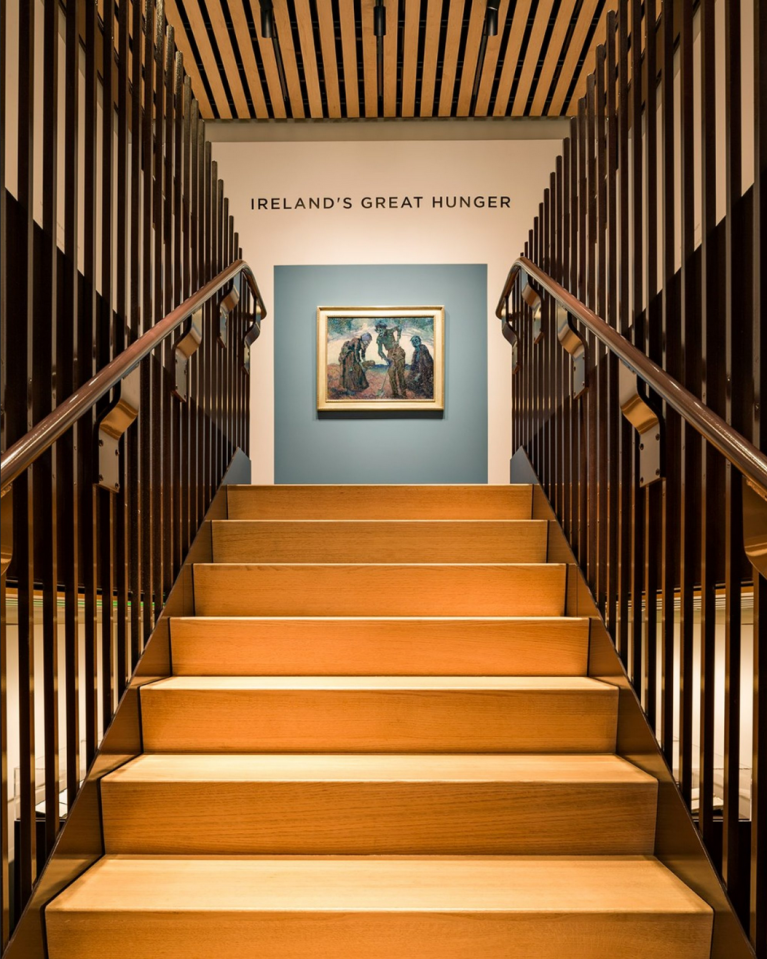
In August 2021, the museum's Hamden location closed, but a new location is expected to open in Fairfield within the next few years.

There are a wide variety of items on display here, including sculptures and paintings from Irish artists, and also documents related to the Great Hunger.

This was a terrible incident in history that isn't focused on much in American schools, so visiting the museum is a wonderful way to learn about this tragedy that so strongly shaped Ireland.

The primary cause of the Great Famine was an illness that struck the potato crops in Ireland. The country's single-crop dependence combined with policy failure on the part of the British meant that more than a million were to die slowly of starvation.

While the museum is currently closed, many of the exhibits can be viewed online.

To check out some of the exhibits online, make sure to visit the Ireland's Great Hunger Museum website or Facebook page.
Subscribe to our newsletter
Get the latest updates and news
Thank you for subscribing!