Few People Know A Piece Of The Smithsonian Is Right Here In Alaska
The Smithsonian Arctic Studies Center in the Anchorage Museum houses over 600 Alaskan native artifacts for study and display.
For the first time in the history of the Smithsonian Institute, a special arrangement has been made for artifacts to be housed at their region of origin. To allow access to those who study Alaska native cultures, over 600 objects were returned to their home state for display, study, and exploration. The new Smithsonian Arctic Studies Center in the Anchorage Museum features objects selected from the Smithsonian's collection. These items were hand-picked with the help of native Alaskan elders and will reside in Anchorage for study by scientists, cultural specialists, historians and students.
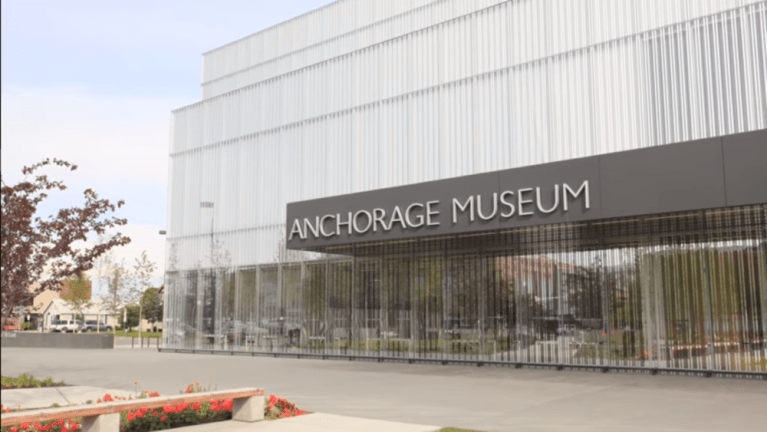
The main exhibit is called Living Our Cultures, Sharing Our Heritage: The First Peoples of Alaska. Next time you have the opportunity for a cultural excursion in Alaska's largest city, check out this wonderful new addition to the already incredible Anchorage Museum at Rasmuson.
Anchorage Museum at Rasmuson
625 C Street
Anchorage, AK 99501
The Anchorage Museum at Rasmuson added a new wing in 2010. Part of that expansion was to house a special collection of Alaskan native objects and artifacts for display and study by Alaskans and visitors.
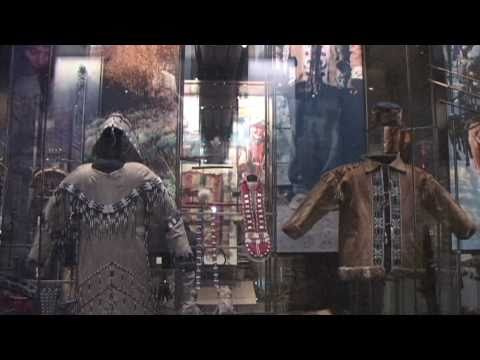
The exhibit includes artifacts from the many indigenous cultures that reside in what is now the state of Alaska. Transparent cases separate the artifacts by culture, and yet show their connections, similarities and differences.

The over 600 cultural and historical treasures donated by the Smithsonian are available for hands-on study by Alaska Native elders, artists and scholars. There is a Community Room where the objects can be accessed for study.

The objects are continuously evaluated by scholars, scientists, and artists studying the history of Alaska native cultures and traditions, and bringing their lessons into the future.

Linked to the objects photos are related oral histories and archival images that add more depth to the visitor's understanding of the lives of the people who used these items.

The types of objects include an 1893 Tlingit war helmet from the southeast Alaska village of Taku and a 1935 Inupiaq feast bowl from Wales, near Nome on Alaska’s northwest coast.

The exhibit is state of the art and visitors can touch screens to zoom on images of the objects, finding out more information from the detailed descriptions of each one.

Specific details about the location and the culture each object came from have been meticulously gathered.
Displays of objects are coupled with high tech video displays where visitors can hear the languages of the peoples of Alaska spoken.

There is also a 3D video display showing different landscapes around the state to help visitors put the objects the in context of the climate of the great land.
Visit this staggering display of Alaska native history, culture and science for a taste of the excellence provided by the Smithsonian Institute. The innovative ways to access Alaska native cultures will be on display indefinitely in Anchorage.

Take a virtual Gallery Tour here:
Winter Hours
October 1 – April 30
10 AM to 6 PM Tuesday - Saturday
Noon to 6 PM Sunday
Closed on Mondays
Summer Hours
May 1 – Sep 30
9 AM to 6 PM Every day
Find out more about the Anchorage Museum in This Incredible Museum In Alaska Is A Fantastic Day Trip Destination. Learn about more Alaskan museums in Here Are 9 Museums In Alaska That Are Just Too Cool For Words.
Have you been to the Smithsonian Arctic Studies Center at the Anchorage Museum? Tell us about it in the comments below.
Subscribe to our newsletter
Get the latest updates and news
Thank you for subscribing!