Each Year, Cleveland Is Invaded And It’s About To Happen Again
Each summer, Lake Erie's U.S. coast experiences a massive invasion of mayflies, indicating a healthy lake ecosystem.
Summer is an incredible season here on America's North Coast, but this season also brings an invasion of epic proportions. Lifelong Clevelanders know exactly which one is being described, but out-of-towners may feel a bit squeamish when they discover this unusual annual plague of Biblical proportions. That time of the year is just days away, and certain winged wonders are preparing for a vacation here in The Land.
Each summer, Lake Erie's U.S. coast becomes coated in a carpet of insects.
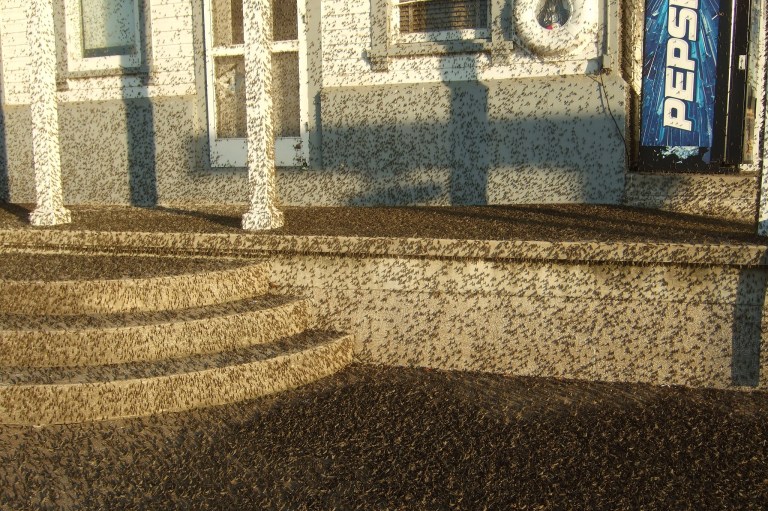
These unusual creatures, known as mayflies, Canadian soldiers, and even June bugs, spend the first year or two of their lives as nymphs in Lake Erie's mud.

Once matured, these creepy looking insects live for about three days and manage to coat absolutely everything in that short time.

These winged wonders (or horrors, if you are unfortunate enough to have to clean up piles of their corpses) date back to before the dinosaurs, but today their wings are 0.5 to 3 inches in length.

These creatures emerge from Lake Erie each year in early June, and their swarms are large enough to be picked up on radar...

...And they truly swoop in like a storm!

Check out this image on Facebook to see this year's swarm in full detail.
As adults, they hang around long enough to reproduce, and then they die off...

...Which is due to the adult mayfly's unusable mouth that prevents it from eating.

While overwhelming and messy, these odd-looking insects are actually harmless.

The invasions indicate that our Great Lake is healthy enough for these insects to complete their life cycle... so don't let them bug you!

Our shores are about to be invaded, but it's just part of life here in The Land. Do you find yourself having to clean up clumps of these weird winged wonders each summer?
While this annual invasion may seem disastrous, The Land is actually fairly safe from natural disasters. You can find the full article here!
Subscribe to our newsletter
Get the latest updates and news
Thank you for subscribing!